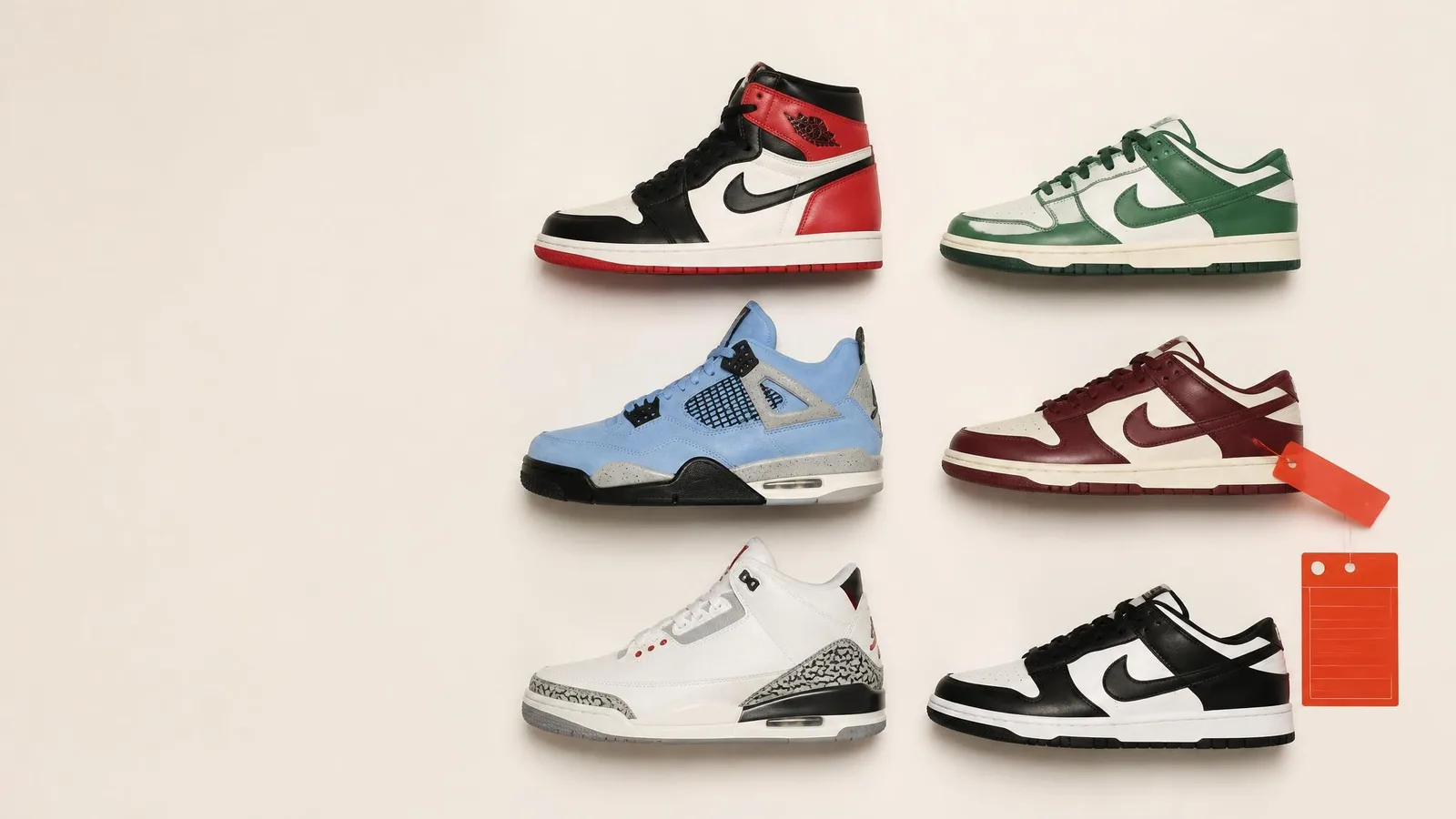
Most collectors eventually reach the same point: they can name every pair on the rack, but they cannot say what the whole collection is worth today.
A sneaker portfolio is a complete record of the pairs you own. It brings together your inventory, what you paid, each pair's estimated market value, its price history and the personal story behind it. Instead of checking receipts, spreadsheets and marketplace apps one pair at a time, you can see your collection in one place.
That does not mean treating every sneaker as an investment. It means understanding both sides of the collection: what it means to you and what the market currently says it is worth.
How to Catalogue Your Sneaker Collection: The Five Things a Complete Record Should Contain
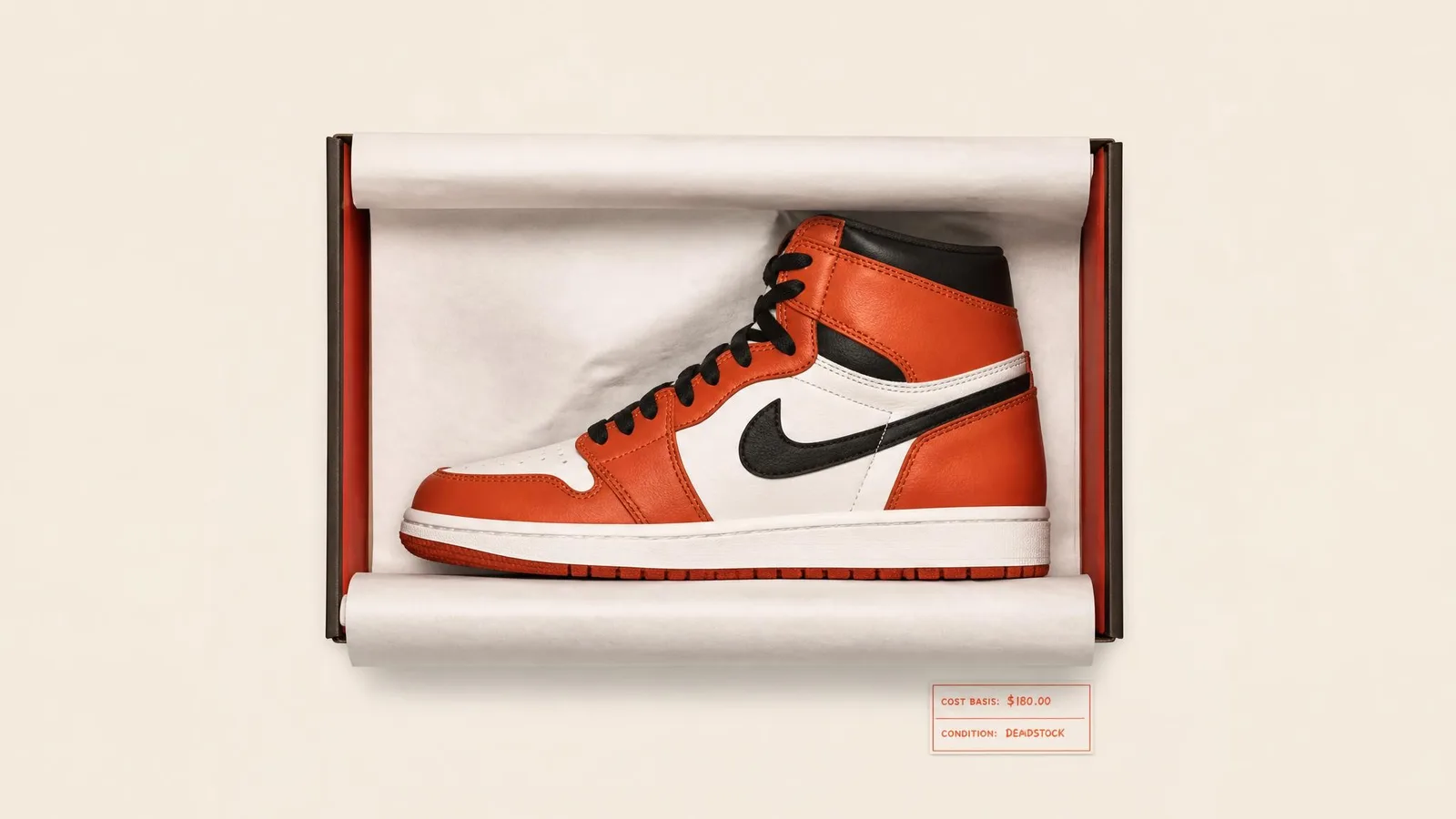
A useful sneaker portfolio combines five layers of information.
1. Pair details
Record the model, colourway, SKU, size, release year and condition. These details distinguish one entry from another and help match it with the right market data. Two Jordan 1 Highs in different colourways are two separate records, even if the silhouette is the same.
2. Cost basis
Your cost basis is the total amount you paid to acquire a pair. Include the purchase price plus marketplace fees, shipping, taxes and any other acquisition costs.
This number is the starting point for comparing what you spent with what the pair may be worth now.
3. Estimated current value
An estimated current value reflects the resale market for the relevant pair and size. It should be based on a documented method and updated regularly—not copied from a single optimistic listing.
Because sneaker prices vary by size, condition, platform, timing and buyer demand, an estimate is a useful reference point rather than a guaranteed sale price.
4. Price history
A current estimate tells you where a pair stands today. Price history shows how it got there.
That context helps you see whether a price has climbed gradually, spiked and fallen back, or remained relatively stable. It can also reveal when an apparent market value rests on old or limited data.
5. Personal context
Add where you found the pair, why you wanted it and what it means to you. Photos, purchase notes and memories turn a database entry into a collection record.
Some pairs are personal. Some are valuable. Most are both.
A Sneaker Portfolio Is Not a Watchlist
A watchlist is primarily a shopping tool. It tracks pairs you may buy or sell, but it typically does not provide the ownership history, cost basis, condition records and personal context of a portfolio.
A sneaker portfolio is the opposite. It records what you already own, what you paid, what each pair is worth now, and why it matters to you. It persists, accumulates, and grows richer over time as you add pairs and update details. The sneaker portfolio vs watchlist difference comes down to direction: a watchlist looks forward at what you might do, and a portfolio looks at what you have already built.
You can use both at the same time. Keep a watchlist for pairs you are eyeing. Keep a portfolio for the rack you have already built. They serve different purposes, and one cannot replace the other.
How to track what you paid for your sneakers
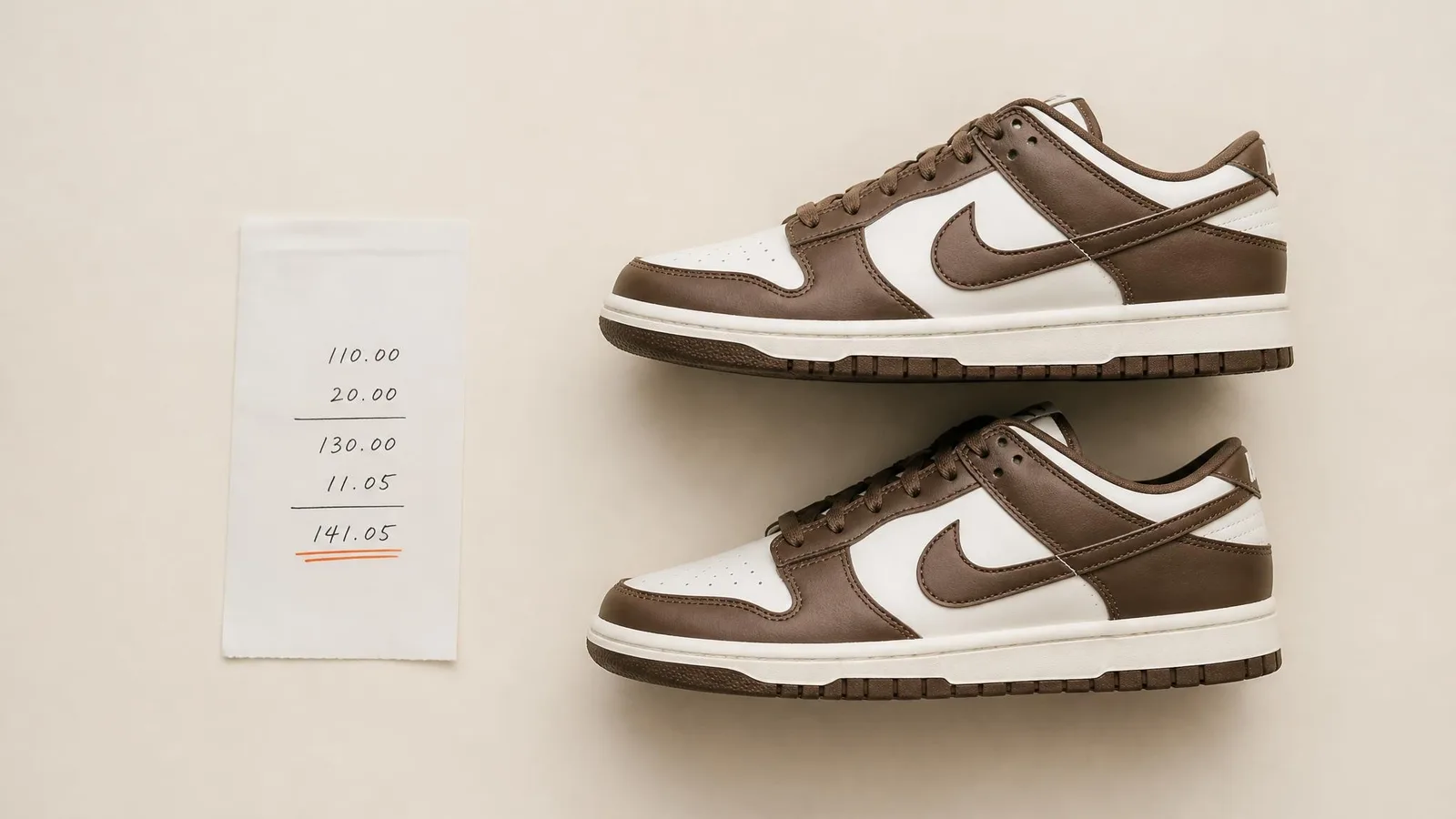
Cost basis is easy to remember when a purchase is new and surprisingly easy to lose later. Receipts disappear, resale fees blur together and trades make the original cost harder to reconstruct.
For each pair, save:
- purchase date;
- seller or marketplace;
- item price;
- fees, shipping and taxes;
- total cost basis; and
- a note if the figure is estimated.
If you no longer have a receipt, use your best supported estimate and mark it as approximate. A transparent estimate is more useful than a blank field, and you can update it if you find better documentation later.
Once every pair has a cost basis, you can calculate the collection's estimated cost-basis profit or loss:
Estimated P&L = estimated current collection value − total cost basis
This is unrealised P&L: a snapshot based on current estimates. It is not cash in your account, a guaranteed resale result or a forecast of future performance. Selling fees, shipping, condition and the price you actually receive will affect the final outcome.
Value, Price History and How Pairs Move Over Time
A current estimated value tells you where a pair stands right now. Price history tells you how it got there and how stable that number has been.
Resale prices for sneakers can shift significantly in the months and years after a release. A pair that looked flat at launch might have moved quietly over 6 months. One that spiked on release day might have pulled back to near retail. Without price history, you are working from a single data point with no trend context.
The best way to track sneaker collection value is with a tool that separates these 2 layers cleanly. The current estimate answers "what is it worth today?" The price history answers "How did it get here, and how stable has the value been?"
Estimated values in any trustworthy tool are based on recent actual sales, not asking prices. A reliable valuation source shows where the data comes from and where gaps exist, openly, so you can weigh the number accordingly.
How Accurate Are the Prices? What to Expect from a Sneaker Portfolio Tracker
Will the prices be accurate enough to be useful? Every collector asks this before committing to a valuation tool, and it is the right question.
No tool can show the exact price your pair will sell for today. Resale prices vary by size, condition, platform, timing, and buyer demand. A pair listed on 1 marketplace at 1 price might close on another at a different figure the same afternoon.
What a trustworthy sneaker portfolio tracker can show: estimated values based on recent actual sales for your size, updated regularly, with clear acknowledgement of where data is thin or unavailable. The difference between a reliable tool and an unreliable one is not perfect accuracy. It is honest methodology.
CYKI uses resale marketplace data and openly explains its limitations rather than presenting every estimate as a settled fact. Are sneaker resale prices in apps accurate enough to guide decisions? When completed sales are the primary source and any fallbacks are disclosed, the estimates can provide useful context for comparison and decision-making. For collectors who want to understand exactly how those valuations are calculated, CYKI publishes its methodology.
What a complete collection view helps you do
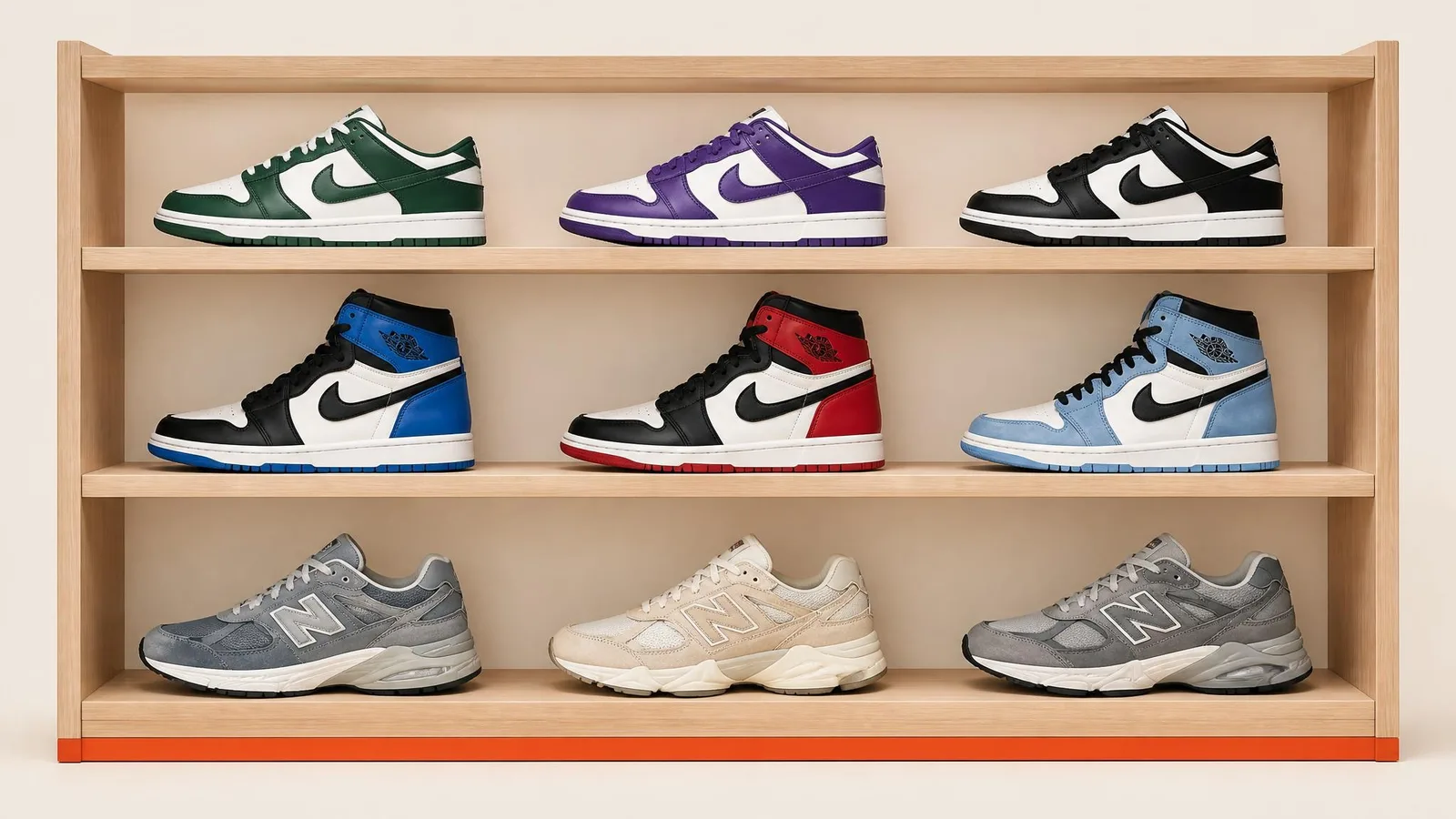
When every pair sits in one portfolio, you can see the rack as a whole rather than as disconnected products. That makes it easier to:
- calculate an estimated total collection value;
- compare that value with your total cost basis;
- identify the pairs driving the biggest gains or declines;
- find missing purchase or condition details;
- decide what to wear, hold, trade or sell; and
- keep a lasting record of why each pair belongs in the collection.
Replacing scattered notes, screenshots and spreadsheets with one clear record is what a complete collection view actually gives you.
Comparing your rack with the sneaker market
Portfolio-level tracking becomes more useful when you can compare your rack with a broader benchmark. If your collection falls while the wider market rises, the change may be specific to your mix of pairs. If both move together, it may reflect a broader shift.
The CYKI 100 is a daily index of 100 sneakers designed to provide that market context. Like any index, it is a benchmark—not a prediction or a guarantee that every model, size or condition will move in the same way.
If you are choosing between spreadsheets, marketplaces and dedicated trackers, this comparison of sneaker collection apps explains the trade-offs.
Frequently asked questions
How do I know what my sneaker collection is worth?
Create a record for every pair, match each one with a current market estimate for the relevant size and condition, and add those estimates together. Treat the total as an informed snapshot rather than a guaranteed selling price.
What is the difference between a sneaker portfolio and a watchlist?
A watchlist tracks pairs you may buy or sell. A sneaker portfolio records pairs you already own, including their cost basis, estimated value, price history and personal notes.
Are sneaker resale prices in apps accurate?
They can be useful estimates, but no app can guarantee the price a pair will sell for. Accuracy depends on the quality, recency and depth of the underlying data. Look for transparent sources, size-specific values and clear fallbacks when sales are limited.
Do I need to be a reseller to track my collection's value?
No. Value tracking can help any collector understand the money tied up in a collection, make better buying or selling decisions and keep insurance or estate records. The personal history of a pair can remain just as important as its market value.
Can I use a spreadsheet as a sneaker portfolio?
Yes, especially for a small collection. A spreadsheet can track inventory and cost basis well, but current valuations and price histories usually require manual updates. A dedicated tracker becomes more useful as the collection and maintenance workload grow.
Put your whole collection in one view
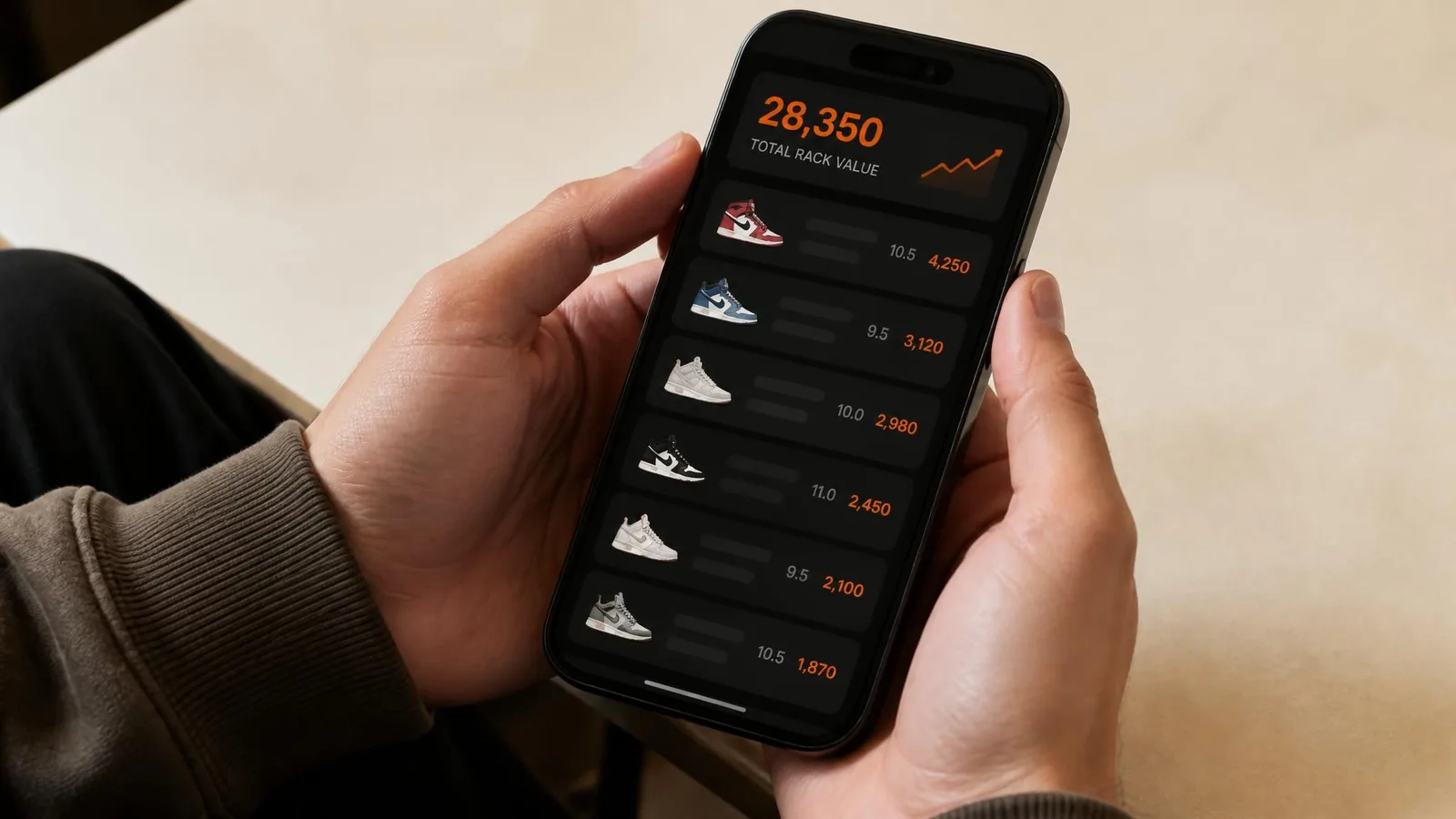
A sneaker portfolio brings together what you own, what you paid, what each pair may be worth now, how that value has changed, and why the pair matters to you.
CYKI is built around that complete view: find a pair, choose your size, and add it to your rack, with pricing and charts handled in the app. Get CYKI and start building a clearer record of your collection.
Your collection, known.