You bought a Supreme AF1 expecting a Supreme premium, and the number staring back at you from the resale market does not reflect that. Here is why.
The Supreme x Nike Air Force 1 Low was built to restock across seasons. Supreme confirmed this at launch. Planned supply is the single reason the box logo does not convert into a sustained resale premium on this shoe. The price difference between the 2020 and 2025 Supreme AF1 comes down to how many times the collaboration has come back, not how much the logo is worth.
This piece covers the full restock history of the Supreme Air Force 1, where value genuinely sits, a Swoosh stitching tell for spotting fakes, and how to get a live rack value estimate in CYKI. Nothing here is financial or purchase advice.
A Collaboration Built to Come Back
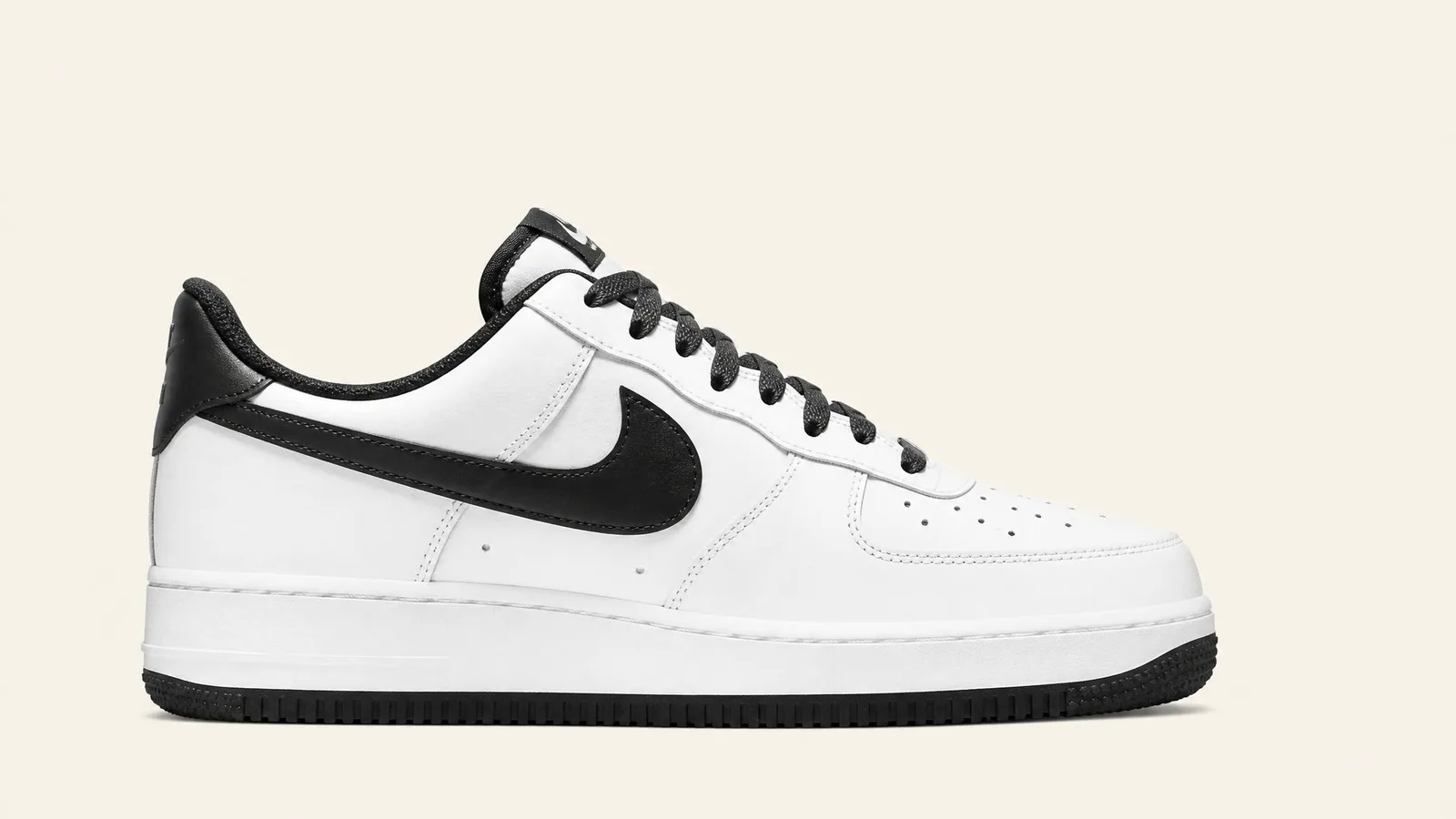
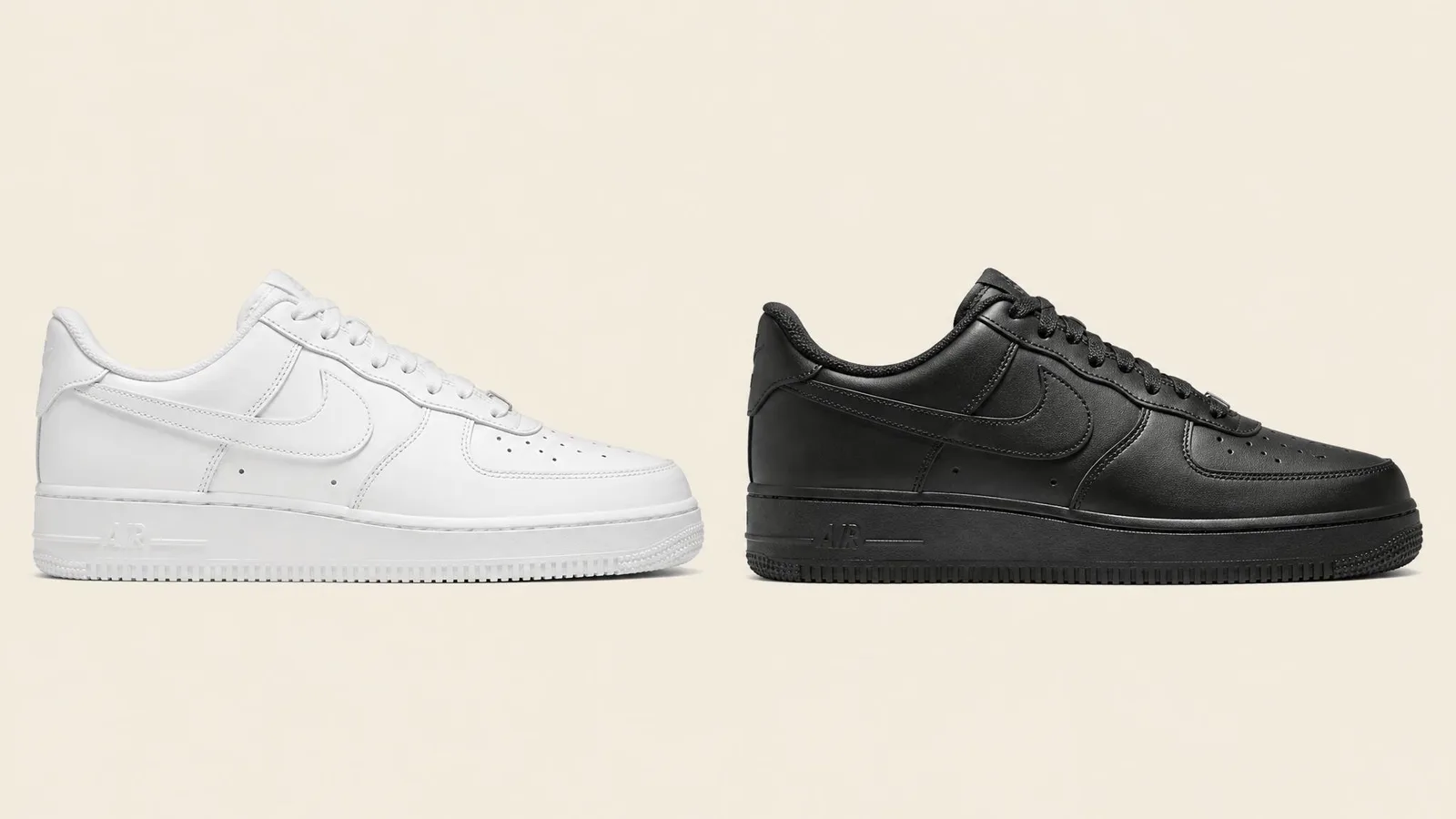
The White (CU9225-100) and Black (CU9225-001) colorways launched on March 5, 2020 at $96 retail. Supreme stated at launch that the collaboration would return through the seasons. That was the plan from day 1, not a rumor.
Every subsequent drop has confirmed it. The Black/White (CU9225-102) and White/Black (CU9225-002) pairs arrived on September 18, 2025 at $124 retail, a $28 bump over the 2020 retail price of the Supreme Air Force 1. The Fall 2026 drop added Iguana and Black colorways at $125 retail, continuing the seasonal cadence.
That retail climb from $96 to $124 to $125 reflects production cost adjustments, not a demand signal. Each new drop adds supply to the secondary market and resets the price ceiling for that colorway. A shoe that keeps coming back cannot behave like a shoe that dropped once.
To see how the Supreme AF1 sits within the CYKI 100 collaborations cohort, compare it against one-time limited releases. The gap tells you everything about what planned supply does to resale.
Why the Box Logo Does Not Guarantee a Premium
Brand equity and supply scarcity are 2 different things. The box logo signals identity. It does not signal rarity when Supreme has told you the shoe is coming back.
The resale value of the Supreme AF1 reflects that structural reality. On the 2025 White/Black pair (CU9225-002, $124 retail on September 18, 2025), the 12-month resale range ran from $35 to $301, a spread visible in the StockX result summary as of a September 23, 2026 observation. That range is not random. Condition differences, size demand, and sellers anchoring to the box logo name rather than actual sale comps push pairs toward either end.
The platform ask-price spread adds another layer. StockX asks started from $125 and GOAT asks started from $203 for Supreme AF1 variants, both figures observed via Google Shopping on September 23, 2026. Asks are not sales. A high asking price is a seller's hope, not a market confirmation.
Every figure above is a point-in-time snapshot, not a current price. For a live rack value estimate based on resale marketplace data, rack the exact release in CYKI and see whether it sits above or below retail today.
Where Value Actually Sits
The 2020 originals (CU9225-100 White, CU9225-001 Black, $96 retail on March 5, 2020) carry the launch narrative. They have had the most time to deplete in circulation, which gives them a stronger collector case than later seasonal pairs. That is a supply argument, not a guarantee.
Dead stock condition is one of the remaining genuine value drivers on a planned-restock model. A pair in dead stock condition with original packaging intact sits at a different point in the resale range than a lightly worn pair of the same colorway and size. If you are trying to assess where your pair falls, how to grade sneaker condition is the starting point.
Size matters too. Mid-run sizes (roughly US 9 to 11) see deeper liquidity. Very large and very small sizes can carry their own scarcity premium within the run. The dead stock value of the Supreme AF1 depends on all 3 variables together: release year, condition grade, and size. No single variable tells the full story.
The Legit Check Tell: Swoosh Stitching
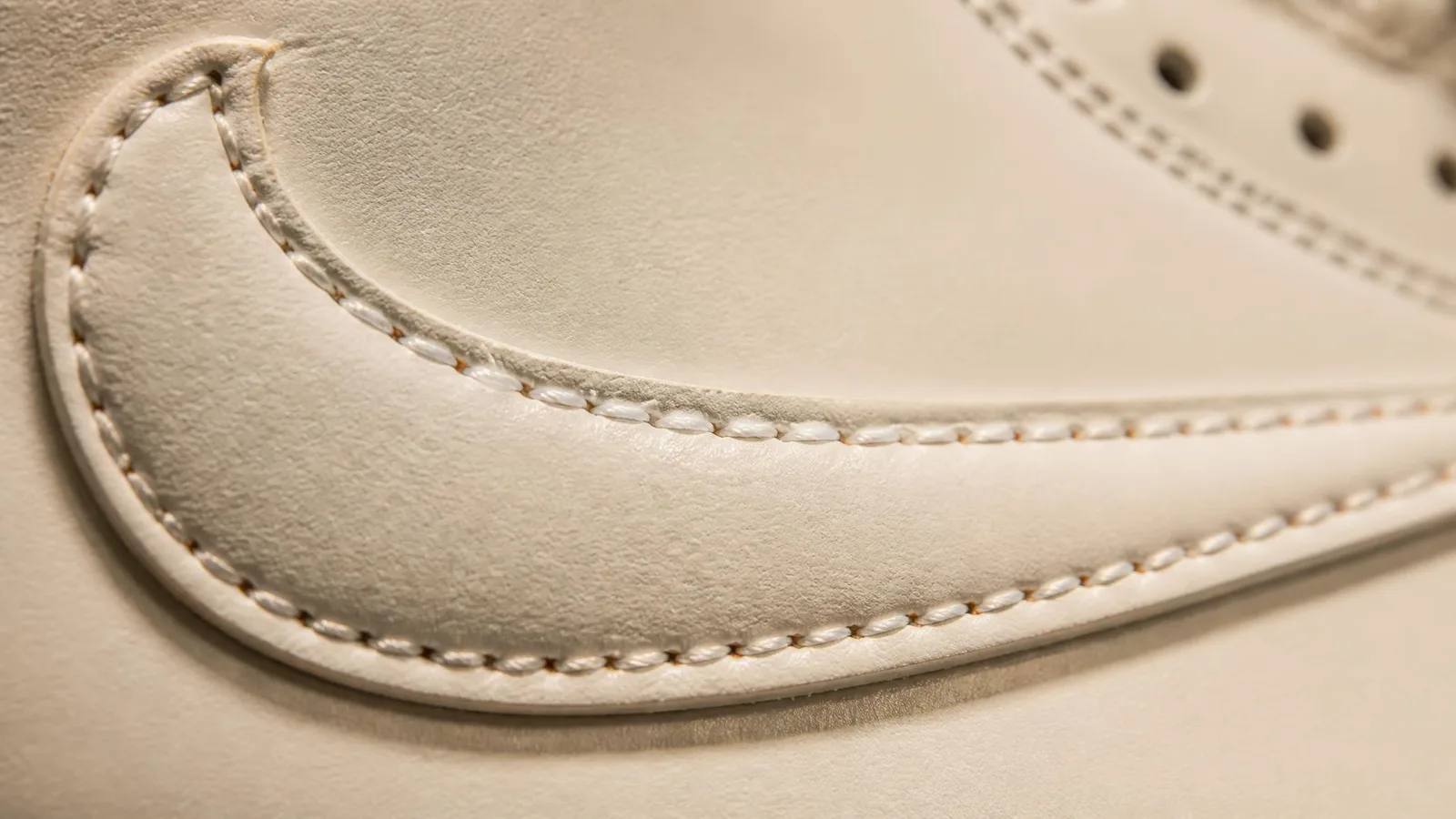
Replica Supreme AF1s exist on secondary marketplaces, including peer-to-peer platforms. The Swoosh is the most reliable first-check point on this model.
On an authentic pair, the Swoosh stitching uses tight thread with consistent stitch length and even spacing across the full curve. On a replica, the thread is thicker. The stitches run longer and uneven, particularly toward the tip and heel of the Swoosh. You can spot this difference without any tools by holding the shoe at eye level and following the stitching line.
This check is a first-line tell, not a definitive authentication. A pair that passes the Swoosh check may still fail on other markers. If you have any doubt, use a professional authentication service. The full breakdown of options is in our legit check authentication services compared guide.
FAQ
How much is a Supreme Air Force 1 worth?
It depends on which release, what condition, and what size. The 12-month resale range for the 2025 White/Black (CU9225-002, $124 retail on September 18, 2025) ran from $35 to $301, a spread visible in the StockX result summary as of September 23, 2026. That is not a current price. Rack the exact release in CYKI and see whether it sits above or below retail today.
What are the key authentication tips for the Supreme Air Force 1?
Start with the Swoosh stitching. Authentic pairs have tight, even stitches with consistent thread weight across the full curve. Replica pairs show thicker thread, longer stitches, and uneven spacing. If the Swoosh check raises doubt, use a professional legit check service.
Is the 2020 Supreme AF1 worth more than the 2025 release?
The 2020 originals (CU9225-100, CU9225-001, $96 retail at launch on March 5, 2020) carry the launch narrative and have had more time to deplete in circulation. That gives them a stronger collector case than the September 18, 2025 pairs (CU9225-102, CU9225-002, $124 retail). Condition and size still apply to both.
Does size affect the resale value of a Supreme AF1?
Yes. Mid-run sizes (roughly US 9 to 11) see the most liquidity. Very large and very small sizes can carry a scarcity premium within the run. Size is 1 of the 3 variables, alongside release year and condition, that determine where a pair sits within the market range.