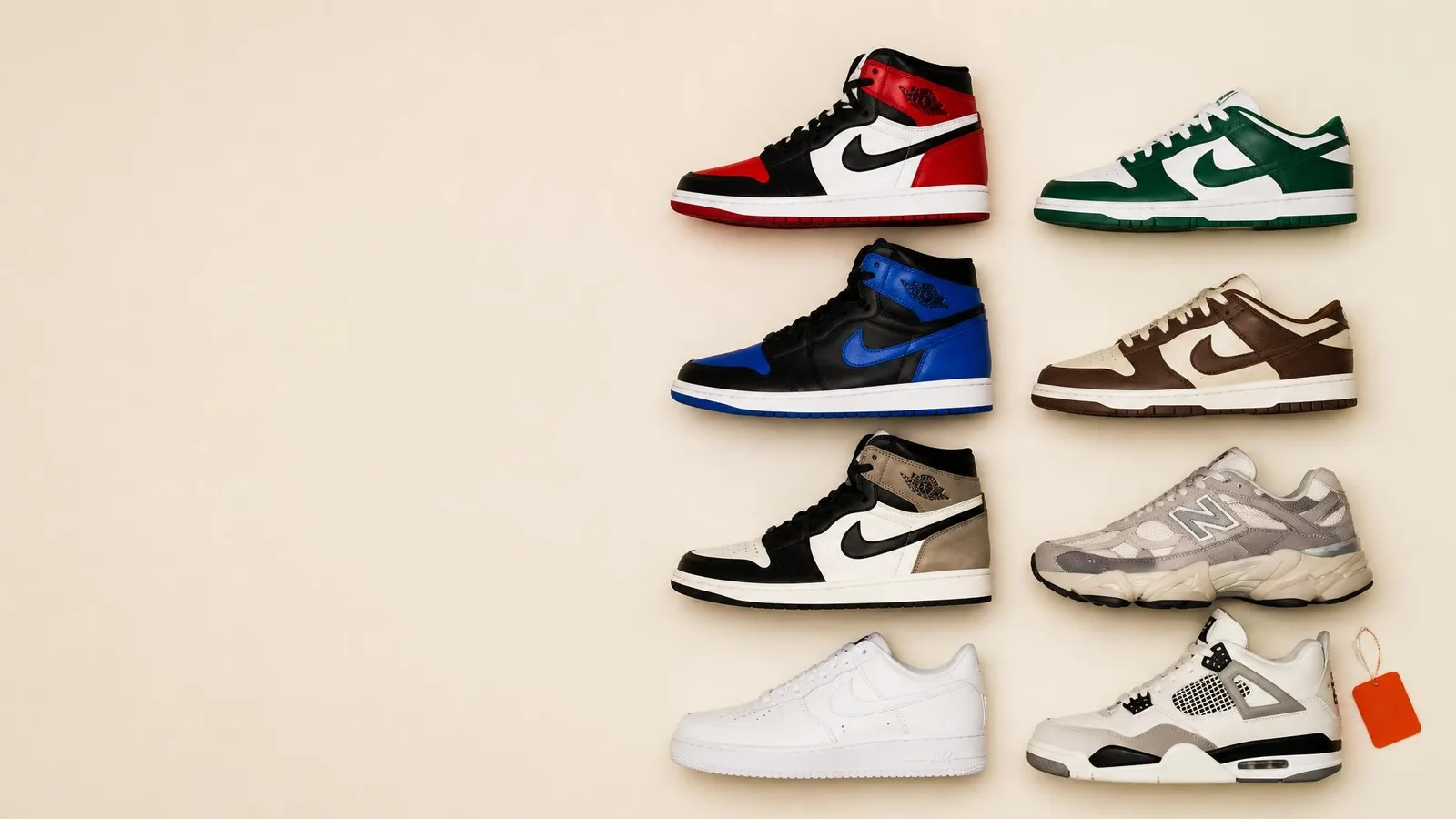
Sneaker culture is a psychological phenomenon. The pairs you choose, keep, display and wear are not purchases in any ordinary sense. They are decisions about who you are, who you were, and who you want other people to see. The psychology of sneaker collecting runs deeper than hype cycles or resale margins. It sits at the intersection of identity, memory, community and the quiet satisfaction of knowing exactly what you own.
Sneaker culture is the set of behaviours, rituals and emotional investments that turn buying shoes into building a personal archive. It is driven by four psychological forces: identity expression, social connection, nostalgia, and the completionist's need to curate a coherent whole. Understanding these forces explains why collectors track, display and compare.
At some point, every serious collector crosses a threshold. You own enough pairs that you can no longer remember exactly what you have, what you paid, or what the collection is currently worth. That feeling is not a logistics problem. It is the natural consequence of caring deeply about something that has grown beyond casual memory. Some of your pairs are personal. Some are valuable. Most are both. This article is about why that matters, and what it reveals about the collector's mind.
Why Do People Collect Sneakers? The Psychology Behind the Pairs
Collecting is not shopping. Shopping fills a need. Collecting builds something.
The instinct to collect has been studied for decades, and the findings map onto sneaker collecting with striking precision. Possessions become part of how we define ourselves. A specific pair of Jordan 1s does not just sit on your shelf; it becomes part of the story you tell about your taste, your era, your allegiances. Objects stop being things you own and start being things that are you.
Belk's framework matters because it explains why losing a pair, or having one stolen, feels like more than a financial loss. It feels personal. And that reaction is not irrational. It is consistent with how psychologists understand the relationship between identity and material culture.
Build on that foundation and four distinct motivations emerge. Researcher Ruth Formanek, writing in the Journal of Social Behavior and Personality in 1991, identified them across collector populations: self-extension (the pair becomes part of you), social connection (collecting gives you a community and a shared language), nostalgia (certain objects anchor specific memories), and completion drive (the need to fill gaps and build a coherent set). Every collector reading this will recognise at least two of those immediately. Most will recognise all four.
The misconception worth correcting is that profit drives the behaviour. It does not. Financial awareness sits on top of emotional motivations, not underneath them. You copped those because of what they meant to you. The fact that they appreciated in value is a welcome secondary outcome, not the reason you stood in line or hit refresh at 10 a.m.
Your collection is a mix of personal favourites, limited releases and potentially resellable pairs. That mix reflects exactly these layered motivations. The emotional pull comes first. The market awareness follows.
Your Sneakers Are Part of Who You Are
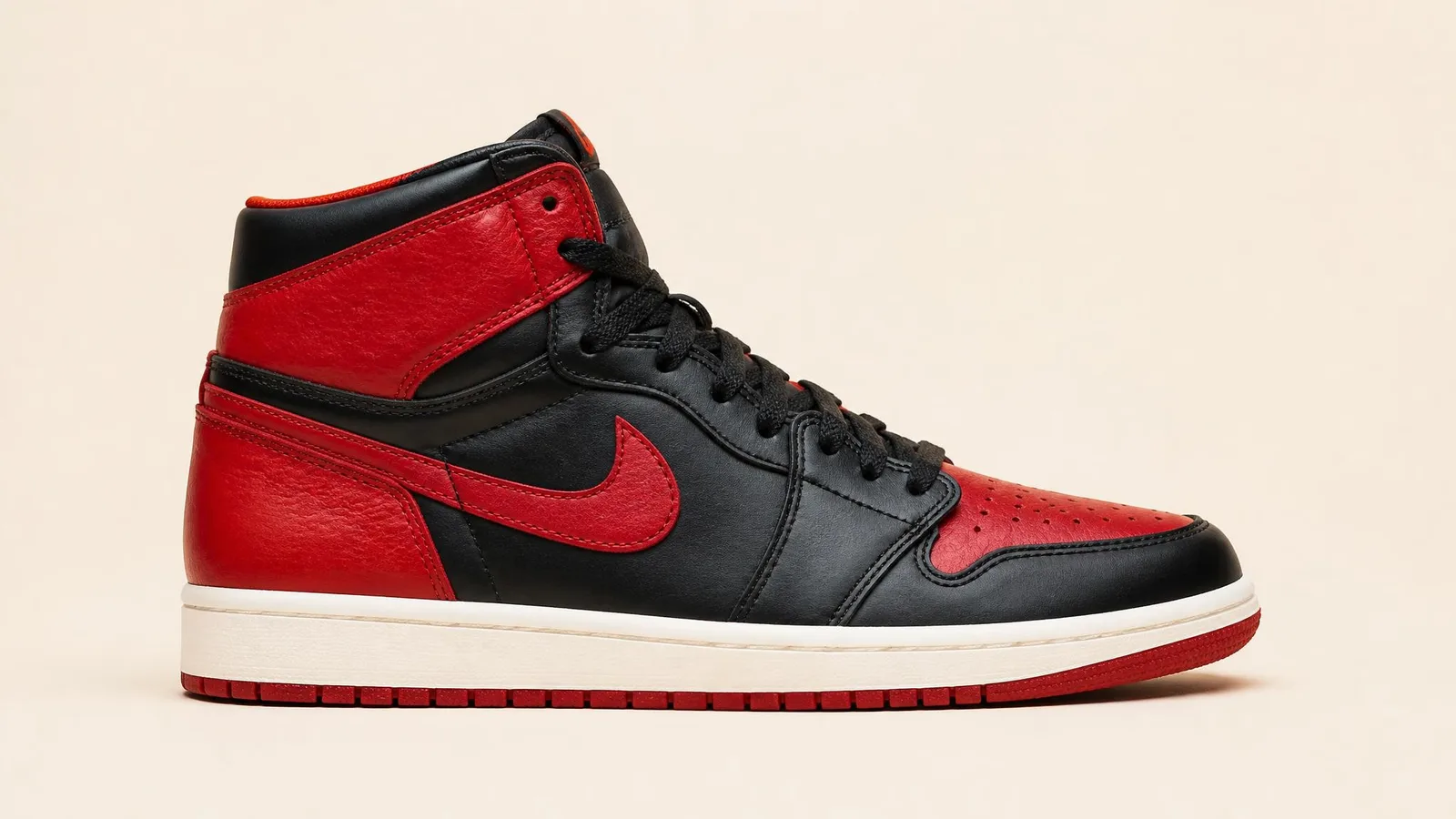
Every pair in your collection is a choice that says something. The silhouettes you gravitate toward, the colourways you pass on, the era you keep returning to. None of it is accidental. Your sneaker collector identity is built decision by decision, pair by pair.
This is the extended self in practice. When you add a sneaker to your collection, you are not filling shelf space. You are curating an outward expression of taste, history and values. The decision to hold, wear, buy or sell a specific pair involves a calculus that goes far beyond resale price. You are weighing what the shoe means to you against what it means to the market, and for most collectors, the personal meaning wins.
What Does Your Sneaker Collection Say About You?
The collector who owns a deep archive of New Balance 990s from a specific era is telling a story about craft, subtlety and a rejection of hype-driven consumption. The collector who chases every Travis Scott collaboration is telling a different story, one about cultural currency and the intersection of music and fashion. Neither story is better. Both are real.
The Air Jordan 1 is the clearest case study. It remains the most resold sneaker globally, appearing at the top of secondary market volume charts year after year. Four decades of cultural durability makes it something more than a shoe. It functions as a cultural artefact, accumulating layers of meaning with every generation that adopts it. When you own a pair, you are wearing a piece of that timeline, and the specific version you chose says something about where you entered it.
Sneakerhead culture is, at its core, an identity practice. The pairs you keep are a mirror. The pairs you let go tell you something too.
The Community That Keeps You Coming Back
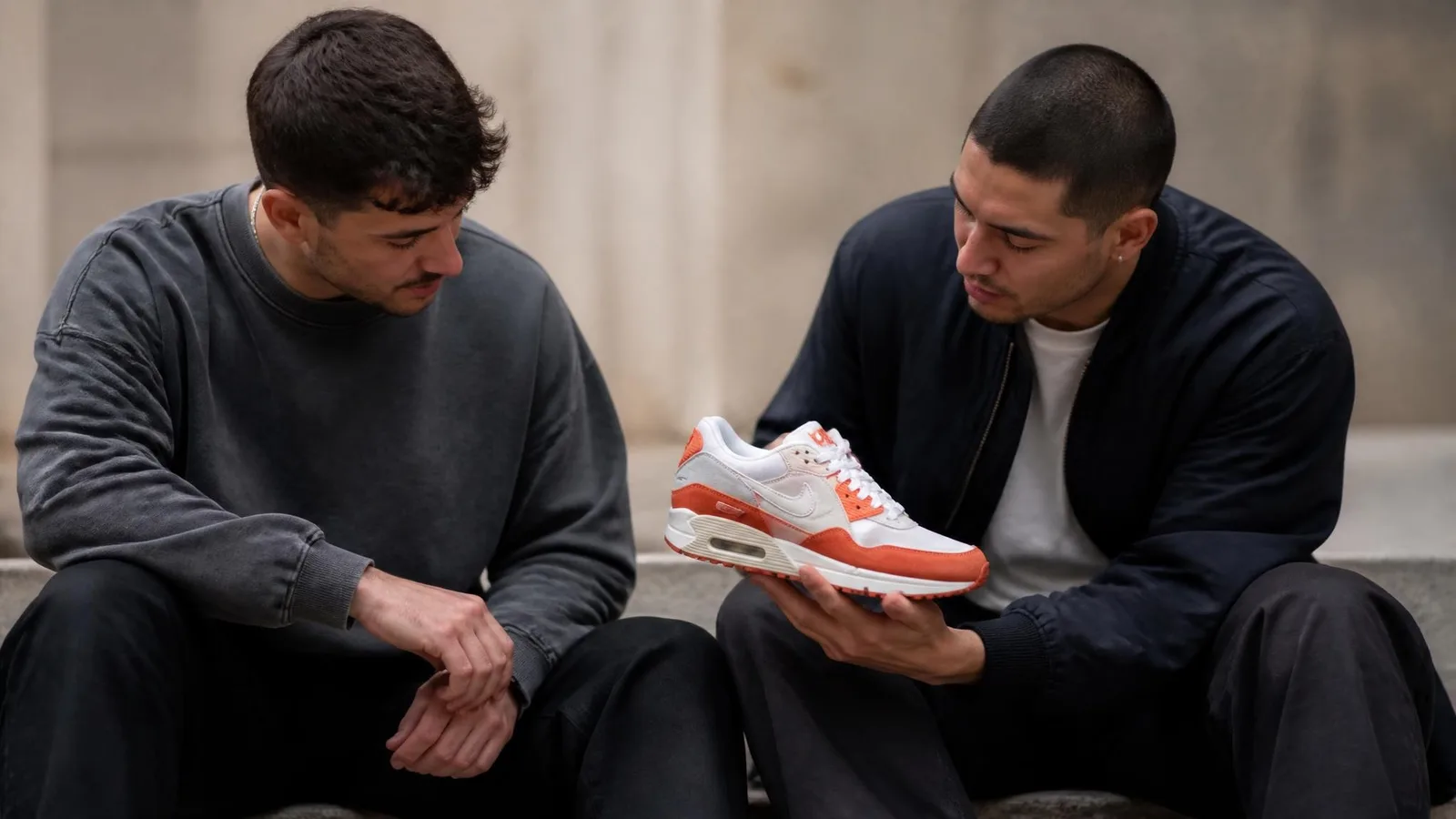
Collecting is not a solitary activity. The pair that sits in a box, never shown to anyone, exists in a different psychological register than the pair you photograph, post, debate and defend. Sneaker community is the engine that keeps the collecting instinct running.
The social dimension of collecting is grounded in a well-documented human behaviour: social comparison. We are wired to understand where we stand relative to our peers. That instinct is not vanity. It is a fundamental part of how humans build self-concept. In sneaker culture, it shows up every time you compare collections, debate a colourway, or follow a drop with friends who care as much as you do.
Sneaker Display and Flex Culture
Displaying a collection is an act of identity communication. Flex culture gets dismissed as showing off, but beneath the surface it serves a real psychological function. Showcasing your pairs, whether on a shelf, in a post, or through a tracking app, is how you signal membership and invite feedback from people who speak the same language.
Trading, showcasing, debating. These rituals are the social glue that separates sneaker collecting from ordinary consumption. And the behaviour extends to price awareness. Over 30 million users had registered on StockX by 2025. The majority of those users track prices for sneakers they own or want to own. That behaviour is not limited to resellers. Price awareness is how collectors participate in the market conversation, even when they have no intention of selling. The scale of that engagement tells us something important: knowing what your pairs are worth is a social behaviour, not just a financial one.
Nostalgia Laced In
Some pairs carry weight that no market price can measure. The first pair of Jordans you ever owned. The shoes you wore to prom. The colourway that defined a specific year of your life. Nostalgia and sneaker collecting are inseparable because sneakers are uniquely capable of anchoring personal memory.
This is the extended self at its most intimate. A pair tied to a specific moment in your life is not just a shoe with sentimental value. It is a stored chapter of your own history, made physical. Selling it would feel like discarding the memory itself, which is why so many collectors describe certain pairs as untouchable, regardless of what the resale market offers.
The completion drive is a related but distinct force. Collectors who pursue every colourway in a silhouette family, or every release from a specific era, are not just accumulating objects. They are building a personal archive with internal narrative coherence. Formanek's research calls this completism, and it operates independently of financial interest. The satisfaction comes from the wholeness of the set, not the value of any individual piece.
One common misconception deserves attention here. Deadstock condition, keeping a pair unworn in its original box, is one expression of collector psychology. It is not the definition. The pair you wore to graduation carries as much collector weight as the pair sealed in tissue paper. Wearers and deadstockers participate in the same culture with equal legitimacy. The personal meaning is what makes a pair part of your collection, not its condition grade.
For many collectors, the most valuable pair in the collection is worth the least on the market. That tension between personal significance and financial value is one of the truest things about sneaker collecting.
Why Tracking Your Collection Is Not Admin. It Is Collecting
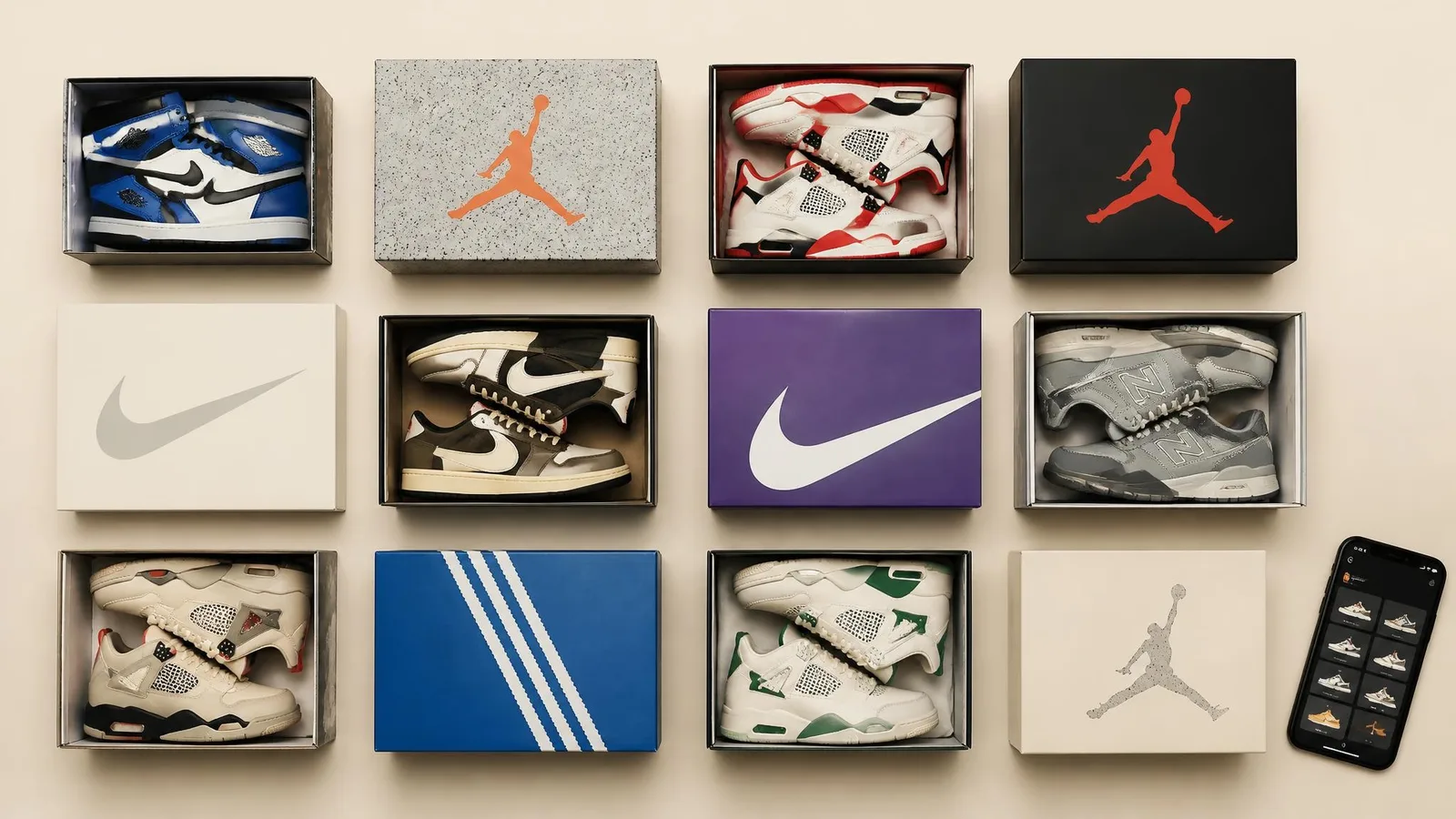
You own enough pairs that you no longer know exactly what you have, what you paid, or what the collection is currently worth. If that sentence describes you, you have crossed the threshold where casual memory stops being enough.
That discomfort is real. It is also meaningful. The instinct to catalogue, count and account for everything you own is not an administrative reflex. It is the same completion drive that makes you want to fill out a silhouette family or chase the last colourway in a series. Wanting a complete picture of your collection is wanting to complete the collection itself.
How to Track Sneaker Collection Value
Digital cataloguing tools amplify the completion drive by making gaps visible. Formanek's research on collector motivation noted this effect: once you can see what you own laid out in a single view, the missing pieces become obvious, and the urge to fill them intensifies. That is not a bug. It is the collecting instinct working as designed.
Cost-basis tracking is the natural next step. Knowing what you paid for each pair is not finance-speak. It is the honest accounting every collector instinctively wants. When you can see your total collection value alongside what you originally spent, you gain a clarity that spreadsheets, screenshots and marketplace watchlists cannot provide.
The cognitive load of not knowing dissolves the moment you rack your collection. Every pair, every purchase price, every current value. One view. The instinct to track is not separate from the instinct to collect. It is the same instinct, finally given a tool that fits.
What Your Collection Is Actually Worth
Here is the distinction that matters: resale price is not collection value. The asking prices you see on marketplaces reflect what sellers hope to get. Actual sale data, what buyers have recently paid, is the honest measure. For collectors who care about knowing what they really own, that difference is significant.
Sneaker Resale Value Tracker
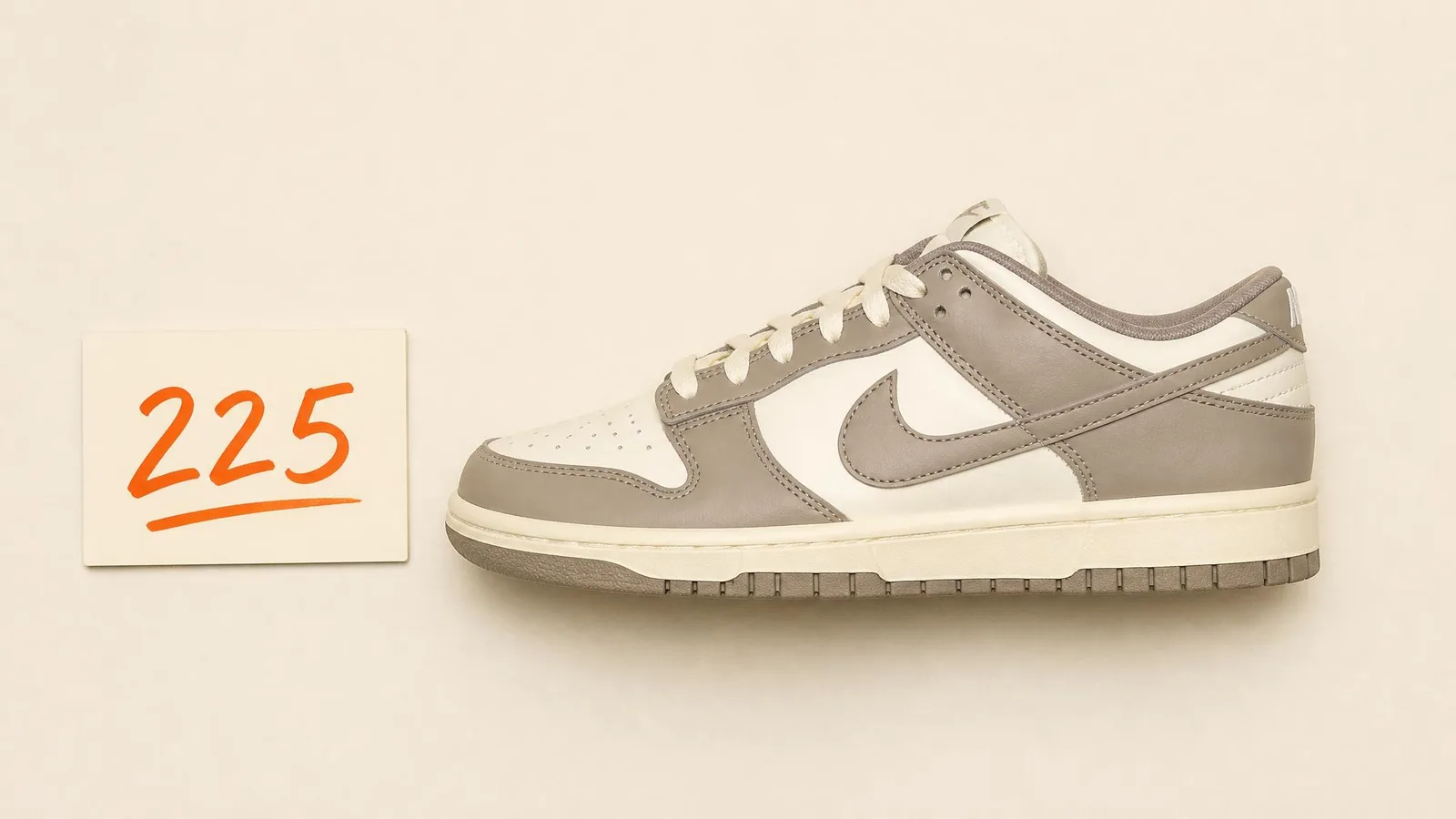
The sneaker resale market has reached a scale where accurate data is no longer optional for serious collectors. Market estimates place the global resale market at approximately $295 billion in 2026, with projections reaching $350 billion by 2028. At that scale, the gap between an asking price and a verified sale price can represent hundreds of dollars on a single pair. Multiply that across a 30- or 50-pair collection and the distortion becomes material.
The question collectors rightly ask is whether any valuation tool can be accurate enough to be useful. CYKI answers that question with transparency rather than false confidence. The platform uses real resale activity, updated daily, and its published methodology explains how CYKI prices are calculated. Gaps in data are acknowledged rather than hidden. That approach matters because trust in the numbers is what separates a useful tool from another source of noise.
Knowing your total collection value is not about preparing to sell. It is about the same instinct that drives every other part of the collecting experience: the need to understand what you own. The collector who checks the current value of a pair they will never let go is not acting as a trader. They are acting as a collector who wants the full picture.
Conclusion: Your Collection, Known
The psychology of sneaker collecting is not complicated. It is identity, memory, community, and the satisfaction of knowing. These four drives explain why you collect, why you display, why you compare, and why the urge to track what you own is not a chore but a natural extension of the same instincts that got you into sneaker collecting in the first place.
CYKI is the sneaker collection tracker app built for exactly this mindset. It does not ask you to become a reseller or treat your collection as a spreadsheet. It gives you the view you have always wanted: every pair, every cost basis, every current value, in one place.
Your collection, known.