
If you no longer know exactly what you have, what you paid, or what your collection is currently worth, a single baseline check is the right starting point. After that, the answer to how often you should check sneaker collection value is simple: check when you have a reason, not because the data refreshed.
Your sneaker collection worth without selling is still worth knowing. But you need a decision in front of you, not a habit loop. There are 3 legitimate reasons to check, and this piece gives you a framework for each one so you can stop refreshing out of routine.
Three Moments When Checking Actually Makes Sense
When should collectors check sneaker values? Only when 1 of 3 triggers applies. Each is a reason to look, not a date on a calendar.
- General awareness. You want a rough sense of what your rack is worth right now. No sale planned, no release incoming. You just want the number. Once every few months is enough for this. Your estimated rack value, built from resale marketplace data, is always current when you open it. CYKI processes daily updates, so the data is there whenever you decide to look. The key word is "decide."
- Active release period. A major drop just landed, or 1 is about to. Prices on related silhouettes and colourways tend to shift around release weeks. Does sneaker value change after a release drop? Often, yes. This is when a check is grounded in real market movement rather than reflex. If you own pairs in the same family as the drop, a glance at your rack tells you whether anything moved.
- Planned sale or insurance record. You are preparing to sell a specific pair, or you need an up-to-date figure for how to value a sneaker collection for insurance. This is the highest-stakes scenario and the 1 that warrants a thorough, documented look. Pull the estimated value, note the date, and save it.
The question is never "when did I last check?" It is "do I have a reason to check right now?"
Collector habits vary widely because nobody has offered a decision-based model before. In a Reddit r/Sneakers thread, community members reported checking anywhere from once a week to 6 to 8 times a year, with no consistent anchor to a specific decision. That spread makes sense: without a framework, frequency defaults to impulse.
A 2026 app roundup from iCollectEverything.com flags using sold prices rather than asking prices as a credibility marker for any valuation tool. The type of data behind the number matters as much as how often you look at it.
Why Daily Data Does Not Mean Daily Decisions
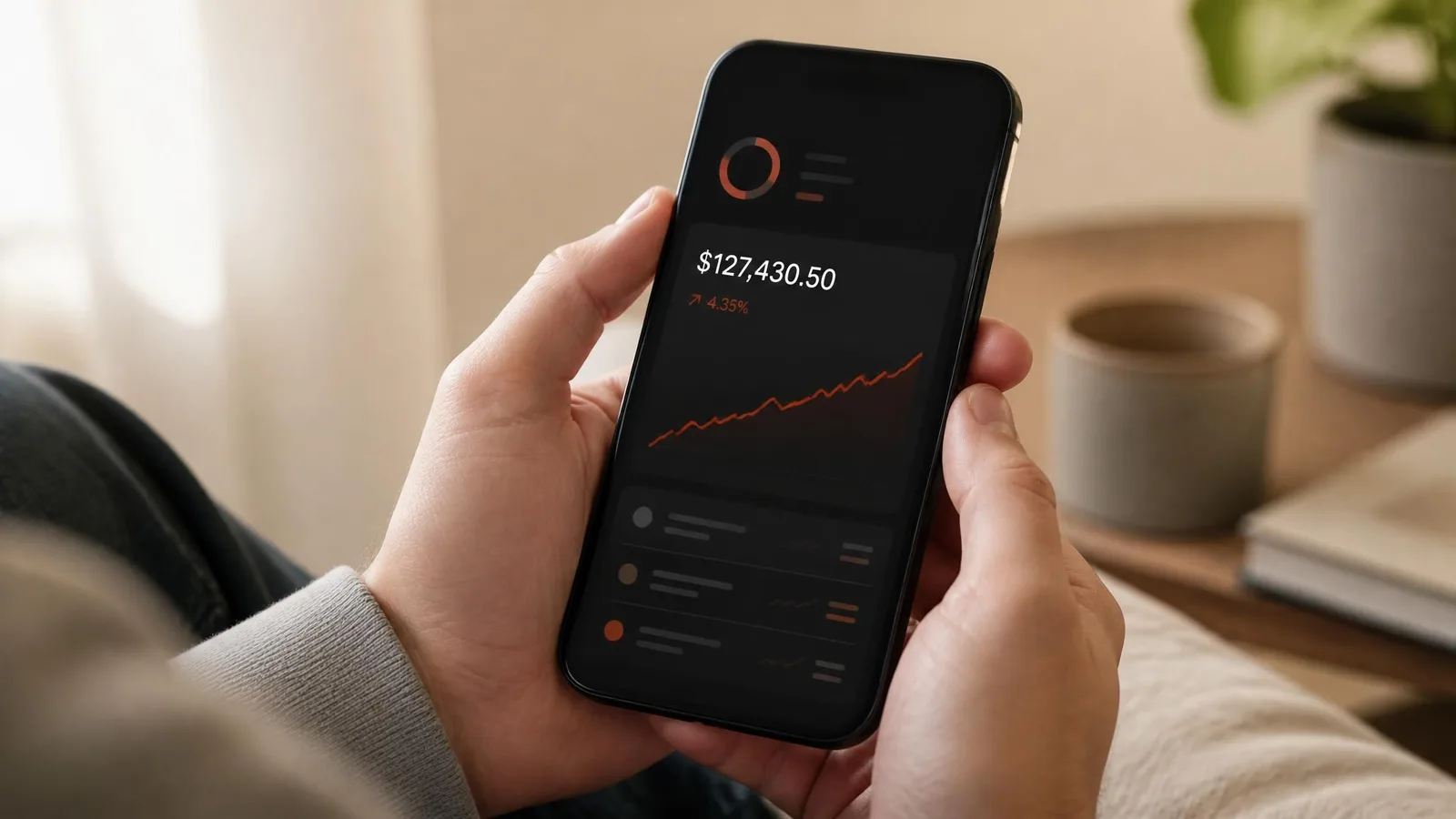
Prices on resale marketplaces update every day. That does not create a new reason to act every day. Data availability and decision relevance are different things.
A collector who opens a price app 7 times in a week without acting on anything has gained nothing over someone who checked once. Sneaker resale value monitoring only produces insight when there is a decision attached. Without that context, the numbers are noise.
Compulsive refreshing runs on the same variable-reward loop that drives the psychology behind collecting habits. The number goes up, you feel good. It dips, you feel anxious. Neither reaction leads to action, so neither check was useful.
A portfolio-level view changes the pattern. When you can see your total estimated rack value at a glance, there is less pull to drill into individual pairs repeatedly. The urge to refresh fades when the full picture is already in front of you. For collectors new to thinking this way, understanding what a track sneaker collection worth framework actually looks like can reframe the habit entirely.
Asking Prices vs Sold Prices: What Rack Value Is Actually Based On
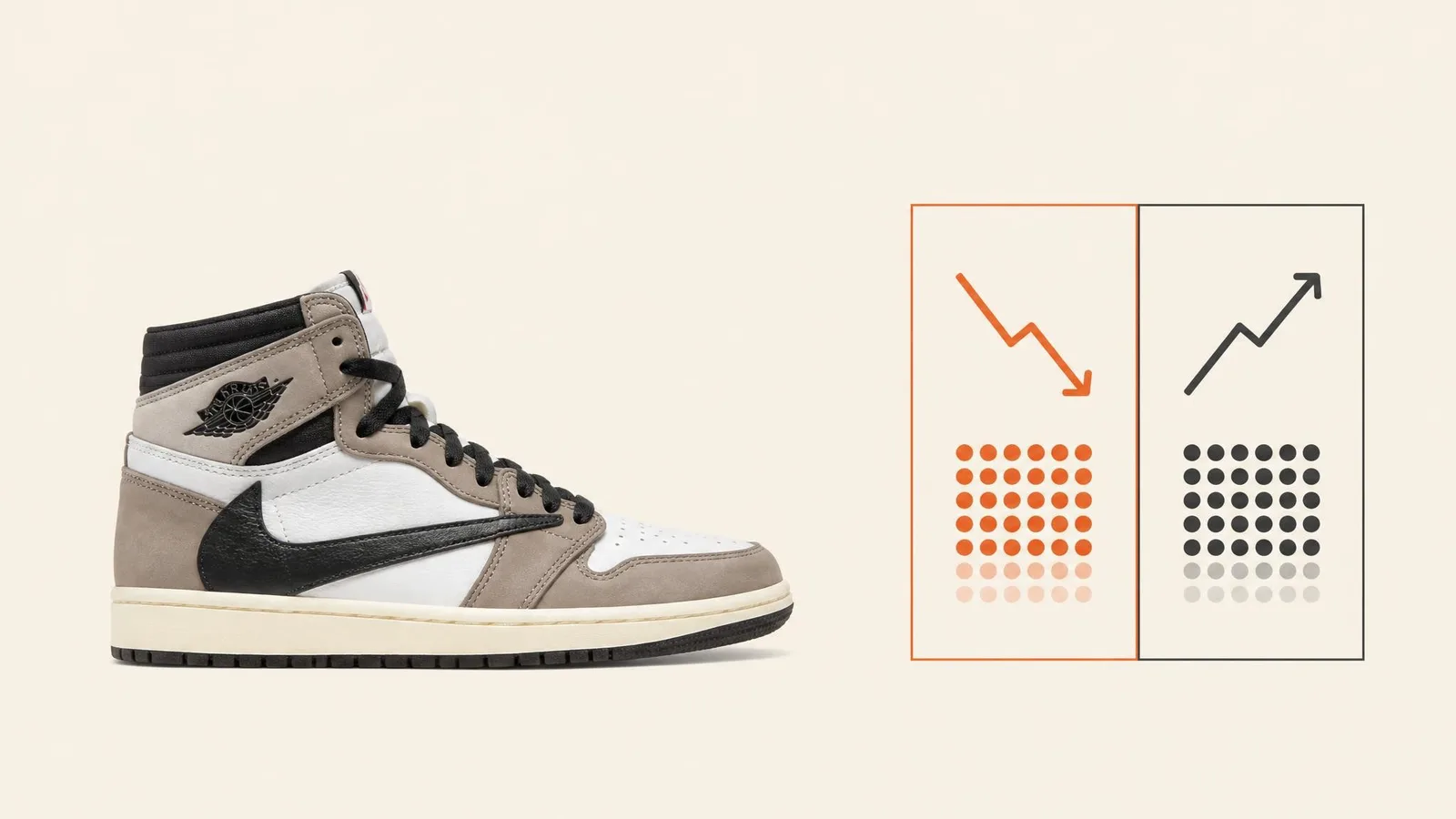
Asking prices on resale marketplaces are what sellers hope to get. Completed sale prices are what pairs actually transacted for. The gap between the 2 can be significant, especially for less-hyped models where listings sit unsold for weeks.
This distinction matters for sneaker resale value monitoring tips: if the number you are checking is built on asking prices, you are not getting a reliable signal. Checking less often with a better number is more useful than checking more often with an inflated 1.
iCollectEverything.com's 2026 roundup identifies this gap as a credibility test for any valuation tool. A platform that relies on sold prices gives you a more honest estimate.
Rack value in CYKI is estimated from resale marketplace data, using recent actual sales where available. The methodology is published and the limitations are stated openly. When data gaps exist, they are explained rather than hidden. That transparency is the reason the estimate holds up, and it is also the reason why different apps show different prices for the same pair.
Your sneaker portfolio value is only as reliable as the data underneath it. Knowing what that data is built on tells you how much weight to give the number on any given day.
How the CYKI 100 Gives You Context Without the Constant Refresh
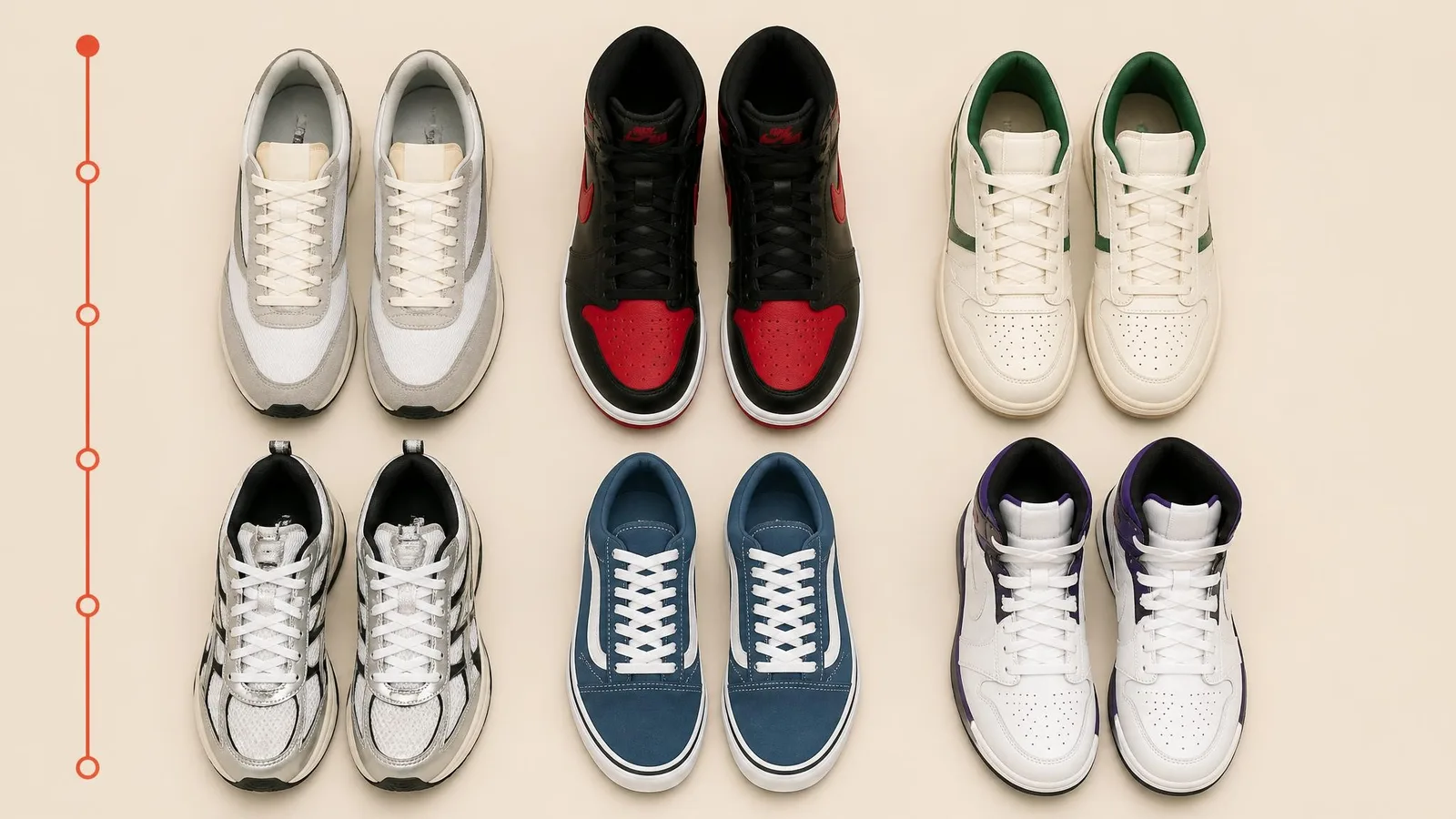
Checking individual pair prices 1 by 1 is the slowest and least informative way to track sneaker collection worth. A market benchmark gives you broader context in a single view.
The CYKI 100 tracks the top 100 sneakers by resale activity. If your rack value estimate is up while the CYKI 100 is flat, that is a meaningful signal. If both are down after a quiet release cycle, that is market context, not a reason to panic.
For collectors who are not planning to sell, the CYKI 100 comparison answers the real underlying question: is my collection holding its value relative to the market? Beat the CYKI 100 and you know your picks are outperforming the broader field. Fall behind it and you have context for why, without needing to refresh 50 individual listings.
A Simple Rule for Your Rack
Check when you have a reason, not because the data refreshed. The 3 reasons: you want a general sense of your rack's estimated worth, a major release has landed, or you are preparing to sell or insure. Your sneaker collection worth without selling is still worth knowing for peace of mind and personal records.
For everything else, let the rack update. The number is always current when you need it. You can estimate your collection value in a few minutes, whether you add pairs manually or use a migration feature later.
Let the rack update; check when you have a reason.