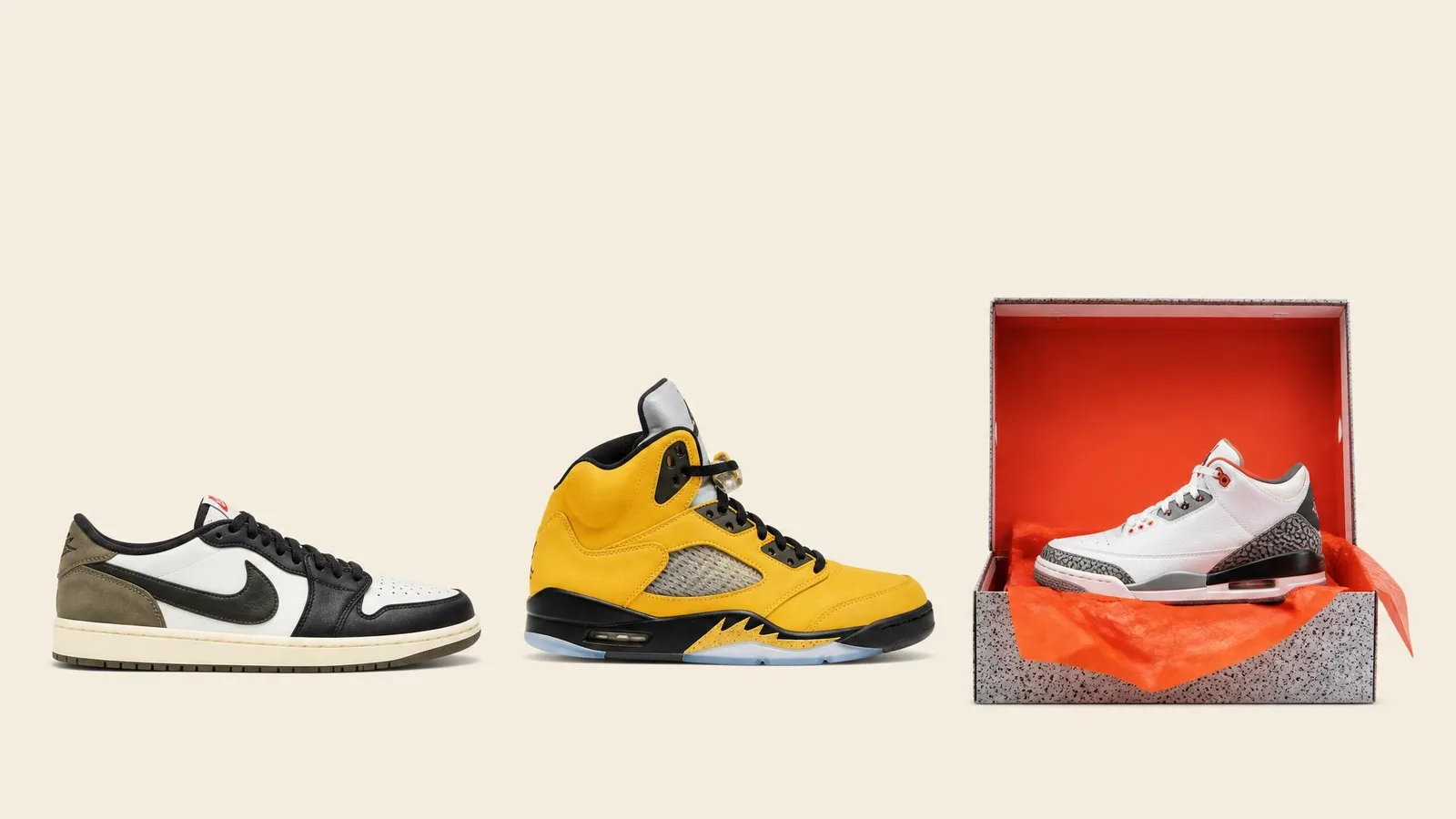
You own enough pairs that you've lost track of what you paid for half of them. Personal favourites sit next to limited releases and a few potentially resalable pairs you haven't decided on yet. You check resale prices regularly. Does that make you a sneaker reseller?
No. It makes you informed.
A sneaker reseller buys pairs primarily to sell them at a profit. A sneaker collector buys pairs primarily to own them. The reseller measures success in margins. The collector measures success in the collection itself. Both check prices, both follow the market, and both benefit from honest, real-sales-based data. The clearest difference? It's their main intent.
As sneaker collecting and resale have become increasingly intertwined, the labels are easy to confuse. The clearest distinction is the owner's primary intention: keeping the pair or selling it. Even then, there is plenty of overlap between the two.
| Sneaker Collector | Sneaker Reseller | |
|---|---|---|
| Primary motivation | Ownership, culture, personal connection | Profit on resale |
| Measures success by | The collection itself | Margin per pair |
| Relationship with pairs | Long-term, often permanent | Short-term, transactional |
| Uses price data for | Understanding value, hold-or-sell decisions | Pricing inventory, timing sales |
| Typical tools | Collection tracker, price alerts, benchmarks | Fee calculators, volume trackers, platform comparisons |
What Is a Sneaker Reseller?
A sneaker reseller acquires pairs primarily with the intention of selling them for a profit. Some focus on quick flips after release; others hold selected pairs longer because they expect scarcity or renewed demand to lift prices. In both cases, the relevant result is the net return after acquisition costs, platform fees, shipping, taxes, and other expenses.
Resellers may monitor release calendars, enter raffles, queue for drops, and study demand before deciding what to buy. Their tools often include fee calculators, margin trackers, listing managers, and sales data. They generally evaluate a pair as inventory first, although that does not mean they cannot also appreciate its design, history, or cultural importance.
Can sneaker reselling still be profitable? Yes, but profitability has to be calculated pair by pair. Start with the selling price, then subtract the purchase cost, platform and payment fees, shipping, taxes, and any losses caused by returns or falling prices. A sneaker trading above retail can still generate little or no profit after those costs. Successful reselling therefore depends on both potential margin and how quickly a pair is likely to sell.
What Is a Sneaker Collector?
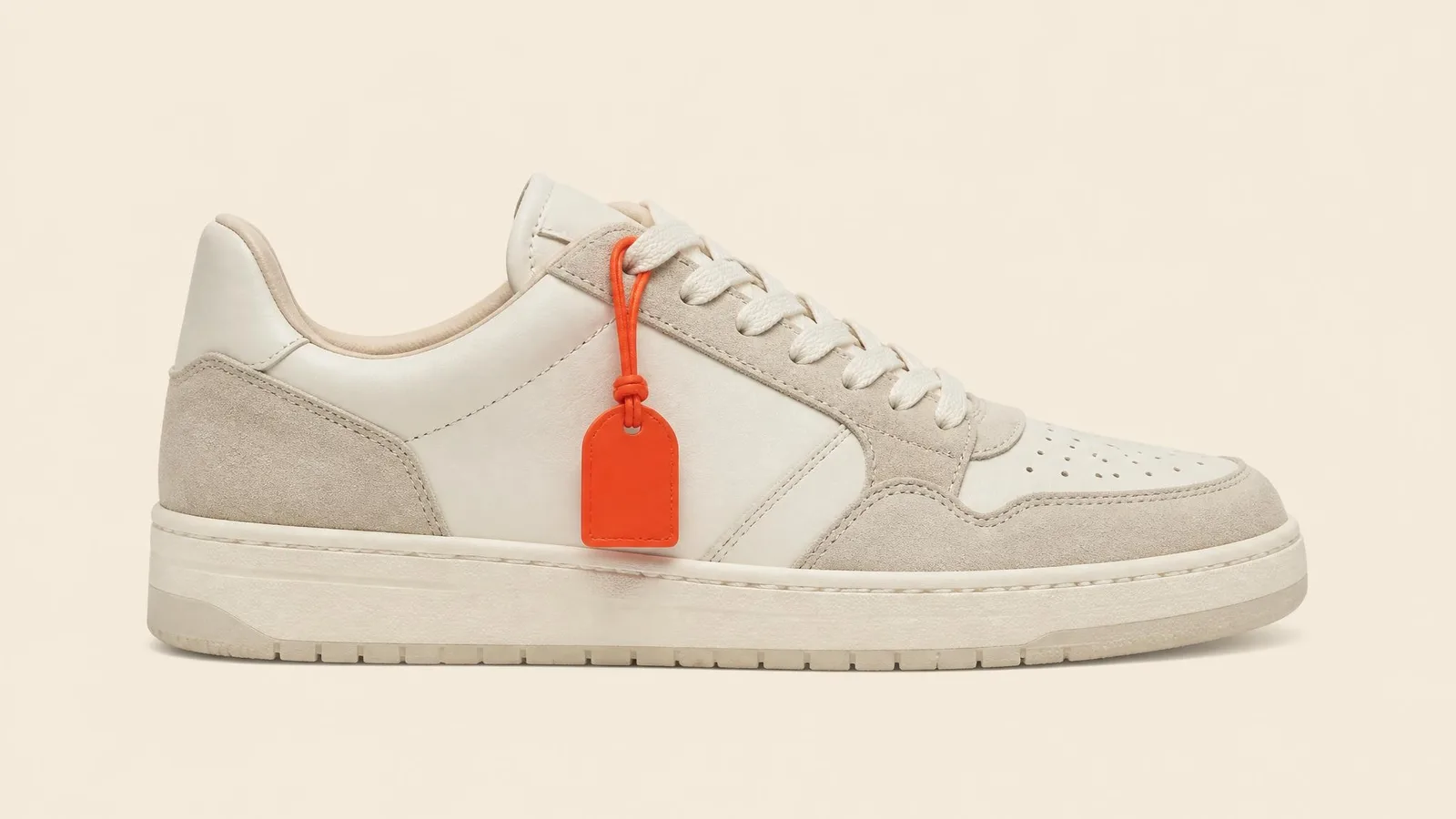
A sneaker collector acquires pairs because they want to own them. The design, the colourway, the story behind a collaboration, the cultural moment a release represents: these are the reasons a collector pays retail, enters a raffle, or hunts the secondary market for a pair that was released years ago. The pair on the shelf is the point.
Collectors measure success differently. A grail finally secured after months of searching. A complete set of a silhouette across every colourway. A rotation that reflects personal taste rather than market consensus. None of these milestones show up on a profit-and-loss sheet, and that's fine.
Collecting can still involve financial awareness. A collector may want to estimate the collection's current market value, compare it with the original cost basis, or see which pairs have gained or lost value. Those questions support ownership decisions rather than a routine flipping strategy. Knowing what your rack might be worth is different from actively trying to liquidate it.
Community is central to sneaker culture, and both collectors and resellers can participate in it. For collectors, however, the meaning of a pair often extends beyond its market price to personal taste, memories, design, or the story behind a release.
The In-Between: When Collecting and Reselling Overlap
A sneaker enthusiast in their mid-20s, casually dressed in a clean white tee and relaxed-fit jeans, kneels beside a low wooden shelf unit holding a neatly arranged row of boxed sneakers in mixed colourways. The mood is relaxed but considered. Does that make you a sneaker reseller?
Most active sneaker enthusiasts don't sit neatly on one side of the line. Your rack probably holds pairs you'll never sell, pairs you're wearing into the ground, and a few pairs you'd move at the right price. Personal favourites, limited releases, and potentially resellable pairs coexist in the same collection. That's normal.
Owning a resellable pair doesn't make you a sneaker reseller any more than owning a used car makes you a car dealer. Intent defines the identity. If your primary motivation is building and maintaining a collection, and selling is an occasional decision rather than a repeating business operation, you're a collector who sometimes sells.
Your relationship with a pair can also change. A personal favourite may become a candidate for sale if your taste changes or its market value rises. A pair bought with the intention of flipping may earn a permanent place in your rotation. Decisions about whether to hold, wear, buy, or sell are fluid; they do not lock you into one identity.
Can you be a sneaker collector and reseller at the same time? Absolutely. Many sneakerheads collect some pairs, wear others, and sell occasionally. The useful question is not which permanent label applies, but what your main intention is with a particular pair—or with your activity overall.
Why Collectors Still Care About Sneaker Resale Data
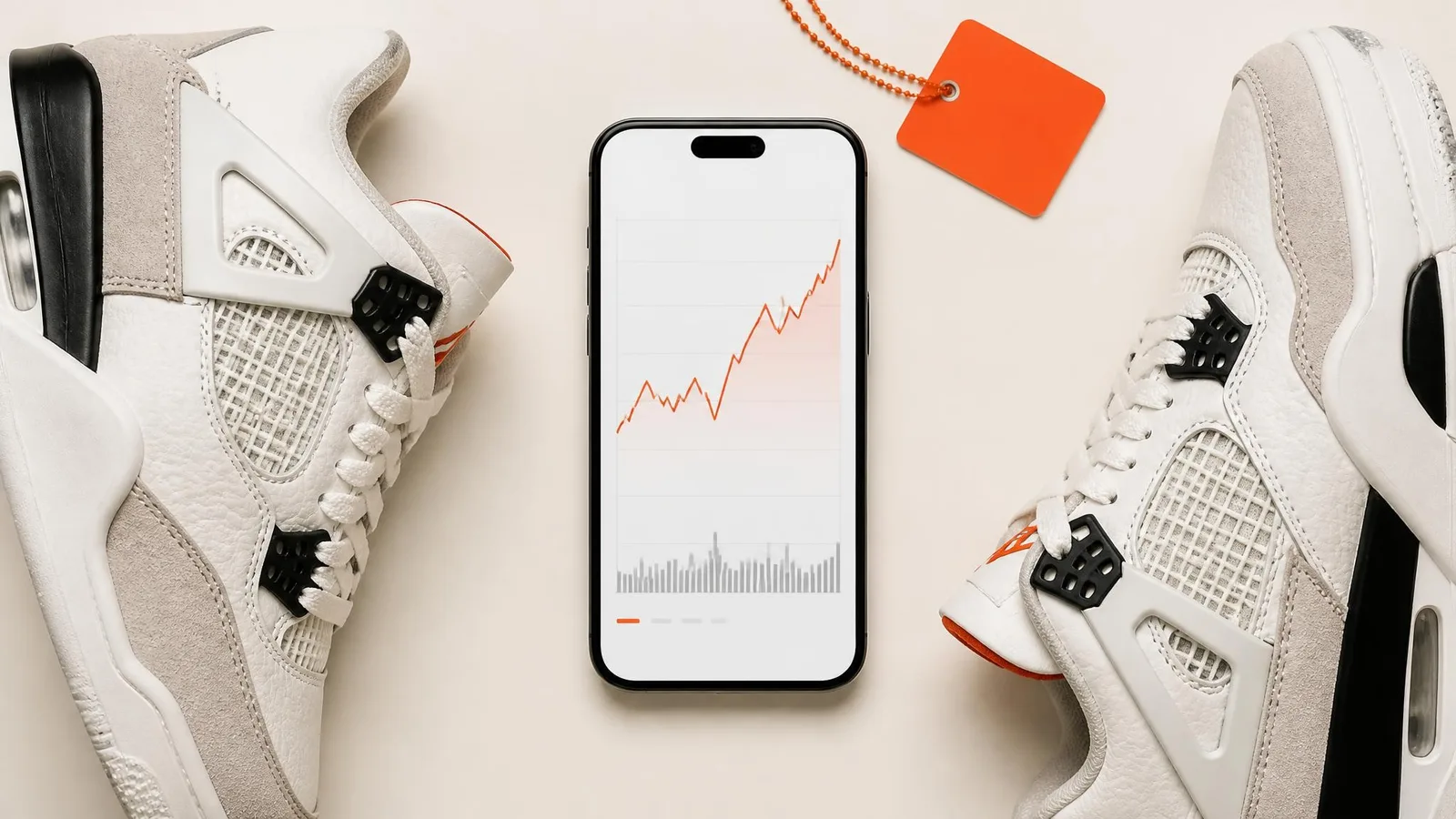
Collectors use resale data to answer practical questions. What might this pair sell for today? Which pairs have changed most in value since I bought them? If I decide to sell one, which should it be? What is the estimated market value of my entire collection?
Resale data can also help protect collectors from overestimating value. An asking price shows what a seller hopes to receive; a completed sale shows what a buyer actually paid. Both signals can be useful, but neither should be read without context such as size, condition, location, fees, and transaction date.
The most useful valuations therefore draw on recent comparable transactions, explain gaps in the data, and present the result as an estimate rather than a guaranteed selling price.
Resellers and collectors can face similar hold-or-sell decisions, but their priorities may differ. A reseller might ask, "Can I make an acceptable margin on this?" A collector might ask, "Do I still want this pair, and would selling it improve the rest of my collection?"
Asking Prices vs. Sold Prices: Why the Data Source Matters
Marketplaces may show asking prices, bids, last-sale prices, completed transactions, or a combination of these figures. Each measure answers a different question. An asking price is a seller's target, a bid is a buyer's current offer, and a completed sale is a historical transaction.
Recent comparable sales generally provide stronger valuation evidence than a single listing. However, transaction data still needs context. Size, condition, geography, currency, fees, and the age of the sale can all affect what a seller ultimately receives.
Across a large collection, treating optimistic asking prices as confirmed values can substantially inflate the total. A sound valuation method should use multiple comparable transactions where possible, update regularly, flag thin data, and distinguish estimated market value from guaranteed proceeds.
CYKI publishes its pricing methodology, including how prices are sourced, how often they update, and what happens when sales data is limited. You can review how CYKI prices are calculated and decide whether the methodology meets your needs.
How to Track What Your Sneaker Collection Is Actually Worth

Collectors commonly use spreadsheets, notes apps, screenshots, and marketplace watchlists. Each can work for a simple collection. A spreadsheet, in particular, can accurately record pairs, purchase prices, and cost basis.
The limitation is maintenance. Market prices usually have to be checked and entered manually, screenshots and notes become stale, and combining cost, estimated value, and performance in one current view takes ongoing work. The larger the collection becomes, the harder that process is to maintain.
The goal of collection tracking isn't inventory management for a resale operation. It's simpler than that. You want to know, at any moment, what you have, what you paid, and what it's worth today. That clarity serves a pure collector who wants to feel informed and in control, and it serves an occasional reseller who wants to know which pairs are worth moving.
If you want that process automated, CYKI is designed as a sneaker portfolio tracker. Add a pair, select its size and condition, and CYKI displays its estimated market value, cost-basis gain or loss, and collection-level performance using pricing updated daily. The result is a consolidated view of your rack, not a guaranteed selling price.
You can track your collection and benchmark it against the broader sneaker market using the CYKI 100. Every constituent is priced, charted, and weighted, so you can see where the whole market sits, not just one pair. No competitor has it. We update it daily and publish the method.
Different tracking methods suit different collections. Our guide to sneaker collection apps and tracking options compares spreadsheets, marketplaces, release tools, and dedicated collection trackers.
Conclusion: Your Collection, Your Terms
Resellers tend to measure success in net margins; collectors tend to measure it in the enjoyment, meaning, and quality of the collection. Their motivations and timelines differ, but reliable resale data can help both groups make better decisions.
You do not have to choose a permanent label. Caring about value does not make you a reseller, and occasionally selling a pair does not erase your identity as a collector. Many sneakerheads naturally move between collecting, wearing, holding, and selling.
Some pairs are personal. Some are valuable. Most are both.
If you want a clearer view of what you own, what you paid, and how estimated market values are changing, CYKI brings those figures together in one rack. Cop CYKI and see your collection more clearly.