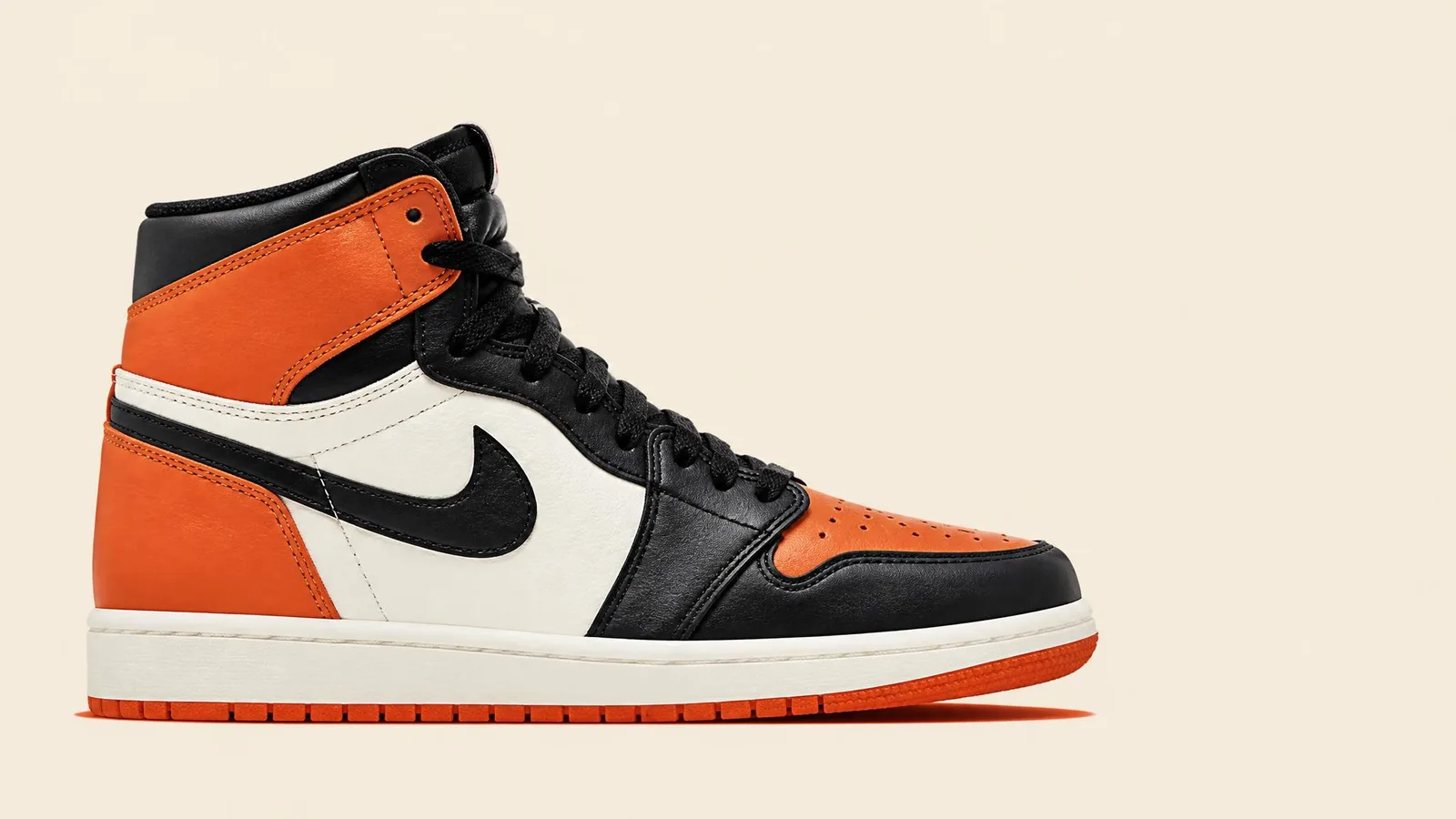
Most collectors have never calculated which single pair holds the majority of their estimated rack value. Collection value concentrated in a single item is common, and it happens quietly.
If you own a mix of general releases and grails, 1 pair likely accounts for a disproportionate share of your total estimated rack value. That value is an estimate based on resale marketplace data. Concentration is not a problem to fix. It is a fact worth knowing, and the practical response is better documentation and storage, not selling.
A grail can be personally irreplaceable and financially dominant within your rack at the same time. Those 2 things coexist without requiring a decision. This piece is about awareness and documentation.
One Pair, Most of the Value
Concentration means 1 pair accounts for a disproportionate share of your total estimated rack value. Sometimes more than all your other pairs combined. It is not a sign of a poorly built collection. It is what happens when you own grails.
The pair carrying most of your rack is often the pair you would never sell regardless of the number attached to it. That makes the concentration invisible in day-to-day collecting. You are not checking a pie chart every time you open a box.
Condition and provenance are the 2 primary determinants of a collectible item's valuation, a finding Mariner Wealth Advisors highlighted in their 2020 analysis of collectible asset assessment. For sneaker collectors, this translates directly: dead stock condition and authenticity documentation are what separate a grail's estimated rack value from the rest of the rack. The most valuable sneaker in your collection did not get there by accident. Rarity, condition, and demand put it there.
Why Concentration Happens in Sneaker Collections
Limited production runs and highly sought-after colourways create a wide gap between a grail's estimated resale value and a general release sitting next to it. A collaboration or a retired Jordan 1 colourway can sit at multiples of what you paid, while your everyday Dunks hold steady or drift lower.
That gap widens over time without you doing anything. Grail pairs can appreciate while general releases stay flat or decline. Rare, sought-after collectibles can appreciate significantly in value over time, particularly when demand holds, a pattern Cornell University's analysis of collectibles has documented across multiple categories. For a sneaker collector, this means a single pair you bought years ago could now represent the majority of your rack.
You are not doing anything wrong. A high value sneaker collection built around personal favourites, limited releases, and collaborations will naturally concentrate. That is the shape of a real rack.

The Pair That Carries Your Rack
The pair carrying most of your rack value is usually the pair you would never sell. That is not a contradiction. One grail worth most of your collection is just how grail culture works.
A grail sneakers personal meaning and its rack weight are 2 separate facts. Recognising both does not mean you have to act on either. You do not owe anyone a decision about a pair that sits at the centre of your collection and your identity as a collector.
Awareness of concentration is the output here. Not a call to liquidate. Not a prompt to rebalance. The question worth sitting with is simpler: do you know exactly what this pair is worth right now, and is your documentation complete?
Is it normal for one pair to dominate sneaker collection value? Yes. It is the expected outcome when you chase and land something rare.
Record Accuracy Starts With Your Most Valuable Pair
The pair that dominates your rack value is the pair most likely to matter in an insurance claim, a private sale, or a dispute over authenticity. If any pair in your collection deserves a complete record, it is this one.
Complete documentation means purchase price recorded, original receipt stored, condition noted at time of purchase, and any proof of authenticity attached to the record. Condition and provenance drive formal assessment outcomes for collectible items, which makes documentation the most practical thing a collector can do for a pair worth documenting high value sneakers for insurance purposes.
If you have not recorded what you paid for your most valuable pair, your cost-basis P&L is incomplete at exactly the point where it matters most. The pair with the highest estimated rack value, derived from resale marketplace data, is the pair where a missing purchase price leaves the biggest gap in your records.
CYKI gives you a place to log all of this against the pair's current estimated rack value. Purchase price, condition, receipts, and proof of authenticity sit in 1 record alongside a daily updated estimate. Everything in 1 place, for the pair that needs it most.
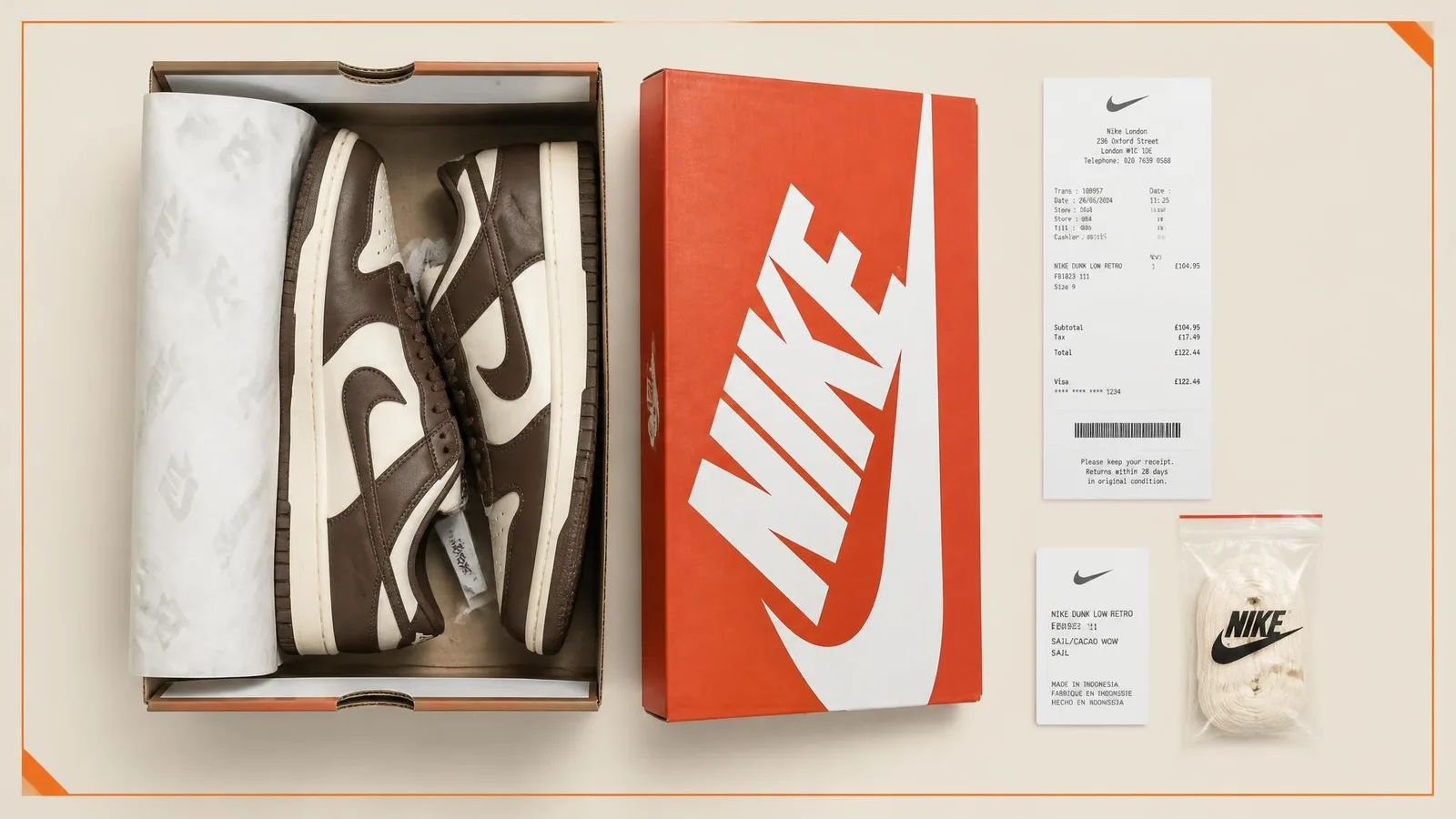
Storage and Condition: Protecting What Matters Most
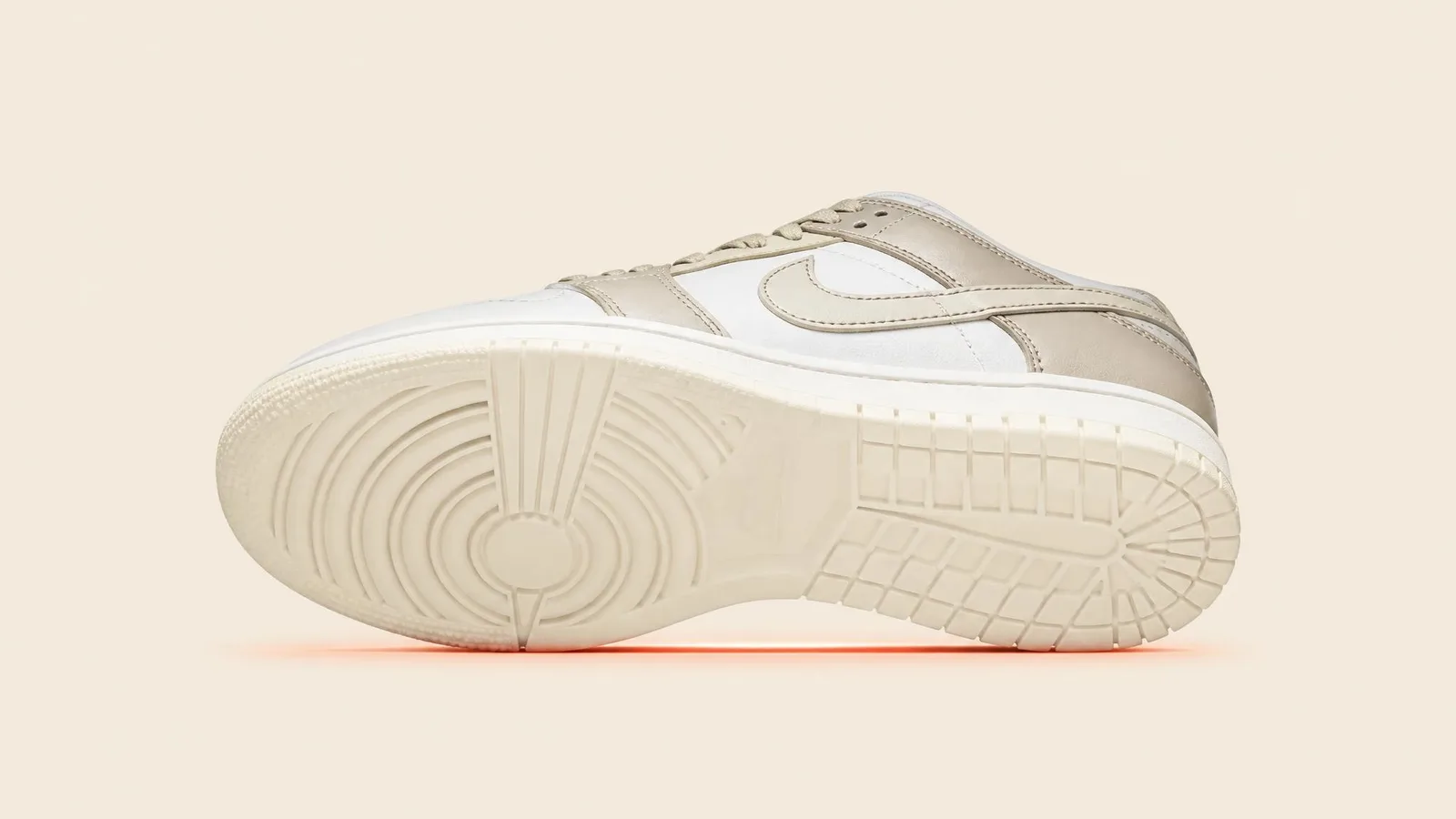
Dead stock condition is the single biggest condition-related factor in a pair's estimated rack value. Worn or tried-on pairs typically carry a lower resale estimate than unworn equivalents. The gap between dead stock and lightly worn can be significant for a sneaker grail resale value.
Subtle signs matter. Yellowing soles, missing original laces, or a crease from a single try-on can reduce the estimated rack value of a pair that would otherwise be your collection's highest-value item.
Does wearing your grail affect resale value? Yes. If 1 pair accounts for most of your rack, how you store it has an outsized effect on your total estimated collection value. Rack value is an estimate based on resale marketplace data, and that estimate reflects condition. Storage decisions for your most valuable pair are worth more attention than storage decisions for any other pair you own. The storage and display guide covers UV protection, humidity control and tiered storage so you can match the level of care to the level of value.
Awareness, Not Action
Knowing that 1 pair carries most of your rack value does not mean you need to do anything with it. Grail sneaker collection concentration awareness is the point, not a trigger for action.
The practical moves are small. Complete the record. Check the documentation. Store the pair carefully. Know the current estimated rack value.
Seeing the breakdown across your entire collection is how concentration stops being invisible. CYKI surfaces which pair is contributing most to your rack value so you can see the split clearly and track sneaker collection value over time.
The question is not whether to sell. The question is whether you know.
Identify the pair that contributes most to your rack value.
FAQ
Is it normal for one pair to be worth more than the rest of my collection combined?
Yes. For collectors with a mix of general releases and grails, 1 pair regularly accounts for a significant share of total estimated rack value. Concentration is a natural outcome of chasing and landing pairs that are both rare and personally irreplaceable.
What does "sneaker rack value estimate" actually mean?
Rack value is an estimate based on resale marketplace data. It reflects recent actual sales activity for your pair's colourway, size, and condition. It is a point-in-time figure, not a price any buyer is guaranteed to pay.
What should I do when 1 sneaker is worth more than the rest of my collection combined?
Document it fully, store it carefully, and know the current estimated rack value. Awareness and record accuracy are the practical responses. There is no obligation to sell.
How accurate are sneaker resale value estimates?
Accuracy depends on recent sales activity for your specific pair, size, and condition. CYKI uses resale marketplace data and updates estimates daily. Where data is limited, CYKI identifies gaps rather than hiding them.
Will wearing my grail affect its resale value?
Yes. Deadstock condition consistently commands higher resale estimates than worn pairs. Even light use or missing original packaging can reduce the estimated rack value of the pair that matters most to your total.