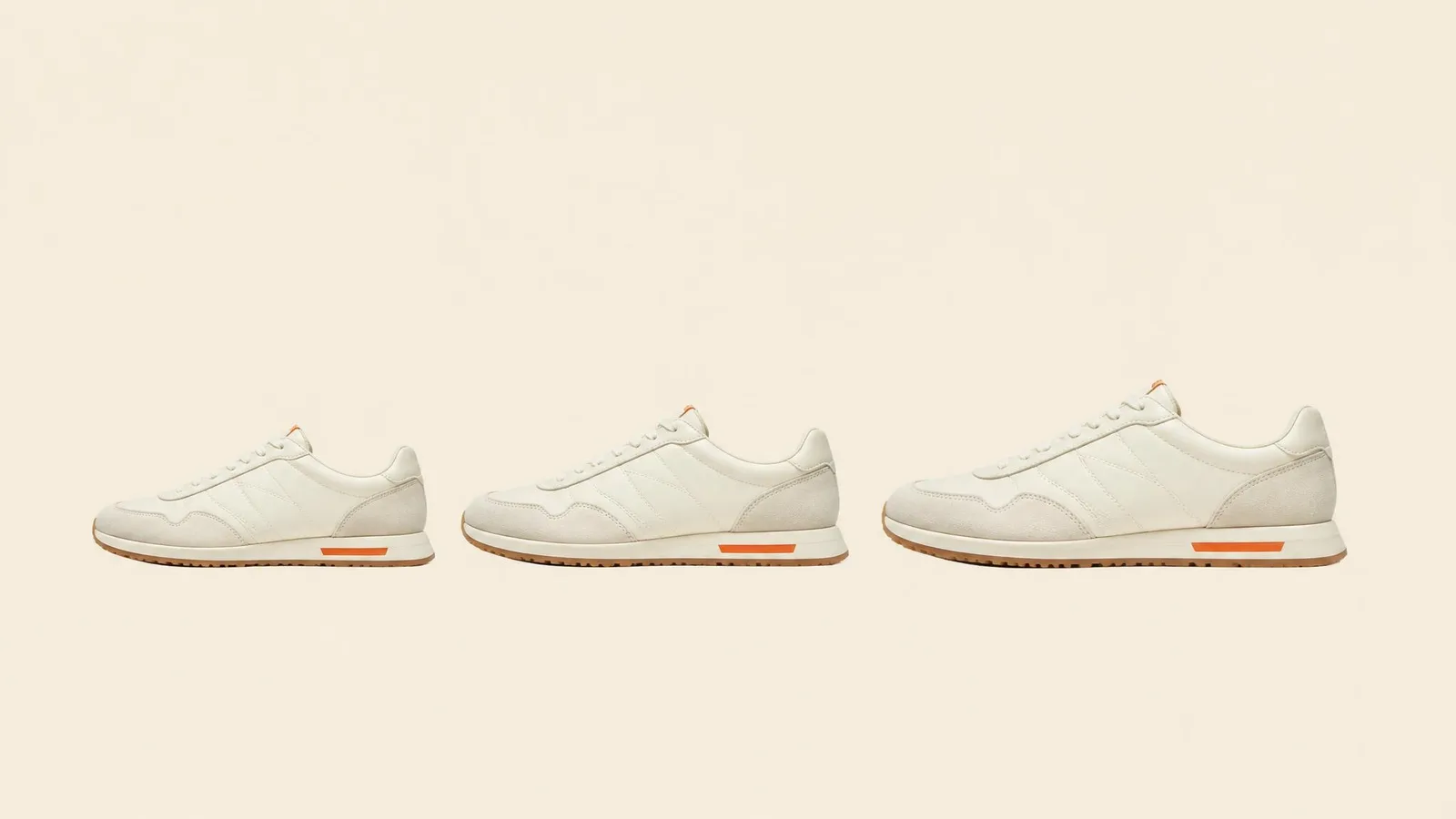
The same sneaker can carry a different resale price in every size. Supply, demand and the number of completed sales all vary across the size run, which means the headline figure you see on a marketplace is usually an all-size average, not a number specific to your pair. That gap is not a data error. It is the predictable result of uneven sneaker resale size distribution.
Your rack value in CYKI is an estimate based on resale marketplace data filtered to a specific size. Choose your exact size in CYKI before reading the estimate so the figure reflects your pair, not the market average.
Why Retail Prices Are Uniform but Resale Prices Are Not
At retail, a size 8 and a size 13 of the same shoe cost the same. The resale market works differently. Price is set by what buyers will pay relative to what is available at each specific size.
When a shoe releases, the production run distributes units unevenly. Mid-range sizes get more pairs. Very small and very large sizes get fewer. That uneven distribution is the starting point for size-specific pricing.
Buyer demand is also uneven. Most collectors wear mid-range sizes, which concentrates competition there and spreads it thin at the extremes. The result is a resale market where the same model in 2 adjacent sizes can clear at noticeably different prices on the same day.
Supply, Demand and Where Your Size Sits on the Curve
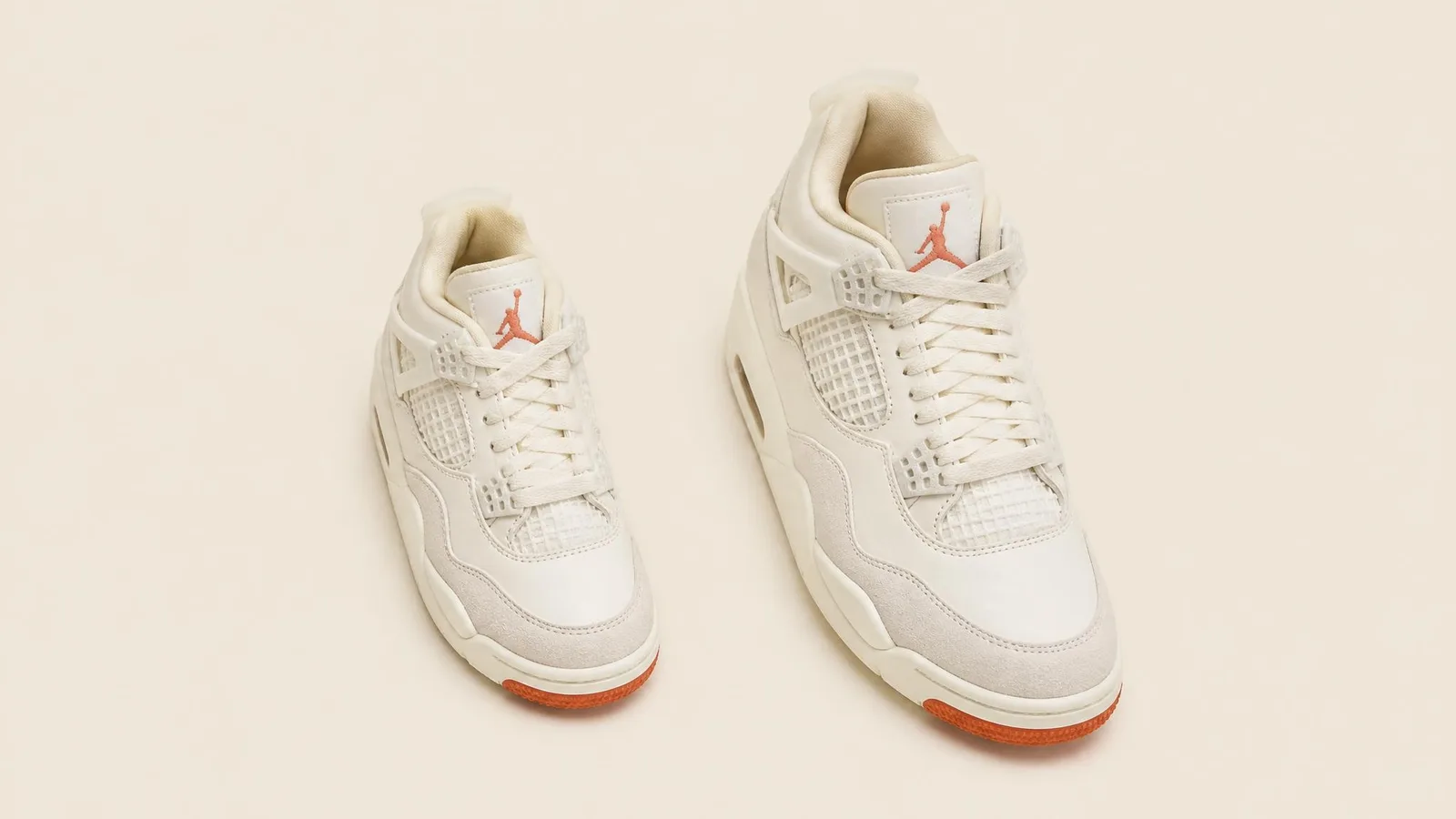
Most brands distribute production runs with fewer pairs at the extremes. A size 5 or a size 14 gets a smaller share of the run than a size 9 or 10, creating structural scarcity at those sizes.
Scarcity alone does not guarantee a premium. A size is only expensive when demand also exists there. A size 14 may see very few buyers even when units are scarce, which can keep prices flat or below the market average. Sizes 5 to 5.5 illustrate this clearly: resale accounts tracking 2025 market activity have noted that these smaller sizes typically have the slowest sell-through unless the brand or colourway is particularly premium. Low supply paired with low demand produces stagnation, not profit.
Buyer foot size follows a population distribution that concentrates heavily in mid-range sizes. Those sizes see the most competition among buyers, which is one reason they tend to trade at or above the all-size average on high-demand models.
Women's sizing crossovers add another layer. On certain models, a men's size 7 or 7.5 aligns with popular women's sizes. That overlap significantly increases demand at those specific sizes and can push their resale price above what raw production figures would suggest, particularly on collaborations where hype spans both markets.
Half sizes introduce further complexity. A half size between 2 popular whole sizes can behave differently depending on whether buyers at both adjacent sizes are willing to size up or down, or whether a distinct buyer pool targets that half size specifically.
Reading the Size Curve: A Hypothetical Example
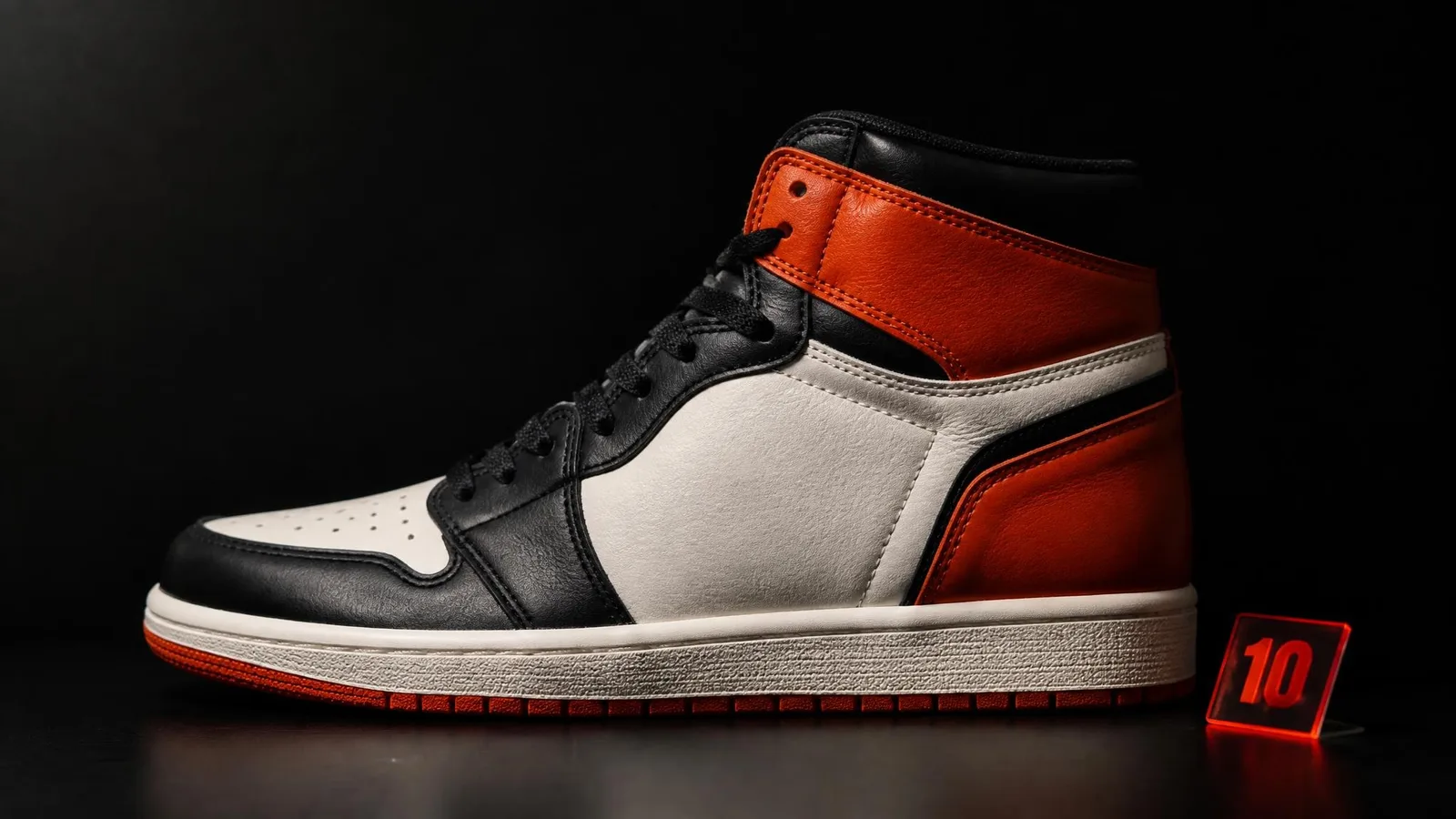
Consider a mid-tier Jordan 1s colourway in dead stock condition. Across the full size run from 5 through 14, the resale price does not follow a simple slope.
At the smallest sizes, prices might sit below the all-size average because demand is thin. Moving into the 7 to 8 range, prices could spike where women's sizing crossover pulls in a second buyer pool. Through sizes 9 to 11, heavy supply meets heavy demand, and prices tend to hover near or just above the average. At 12 and beyond, supply drops but demand drops faster, and prices often dip again.
This is an illustrative pattern, not a verified dataset. Real curves vary by model, colourway, collaboration status and the time since release. The point is structural: the sneaker resale value by size is not a straight line, and no single size sits permanently at the top.
What the Average Resale Price Actually Tells You
An all-size average blends completed sale prices from every size in the run. It is a useful signal for understanding where a model sits in the broader market. It is not a valuation for your specific pair.
If a model's mid-range sizes trade above the overall average, the average gets pulled up. A collector in a smaller or larger size may see that inflated figure and assume their pair is worth the same amount. It is not.
The reverse can also mislead. If a crossover size trades at a significant premium, that outlier drags the all-size average above what most sizes actually clear for.
All-size averages are most useful for comparing models against each other or tracking a model's market direction over time. For valuing a specific pair, a size-specific estimate is always the more relevant figure. Your rack value in CYKI reflects resale marketplace data at your exact size rather than a blended number. You can read more about how CYKI calculates estimates to understand how that size-specific figure is derived.
Transaction Depth and Why Thin Data Makes Estimates Unreliable
Transaction depth is the number of recent completed sales for a given size. A size with 50 completed sales in the past 30 days produces a reliable average. A size with 3 completed sales produces a figure that could swing dramatically based on a single outlier.
Very small and very large sizes often have thin transaction depth. Fewer pairs exist and fewer buyers are in the market. When 1 of those rare sales closes at an unusual price, it distorts the size-specific average significantly.
This is also why 2 platforms can show meaningfully different prices for the same shoe in the same size: they may be drawing on different pools of completed sales, different time windows, or the same sparse dataset interpreted differently. CYKI has written in detail about why different apps show different prices for anyone who wants the full explanation.
A size-specific estimate is most reliable when it is grounded in a sufficient volume of recent sales. When that volume is thin, treat the estimate as directional rather than precise.

Size Premiums Shift Over Time
A size that commanded a meaningful premium at launch can normalise months later as resellers who bought multiples gradually sell off inventory, increasing supply at previously scarce sizes.
Model lifecycle matters. A Jordan 1s colourway that restocks or loses cultural relevance will see its entire size curve compress as overall demand softens. Collaborations and cultural moments can spike premiums temporarily at specific sizes, but those spikes settle.
StockX's 2019 resale data guide noted that rare sizes bring higher premiums on average because scarcity on the supply side drives up price, not because there is more shoe. That finding established the principle, but the specific premiums it captured have shifted many times since. Size premiums are snapshots, not forecasts. The figure you read today for your pair will not be the same in 6 months.
Frequently Asked Questions
Why is my sneaker size worth less than the average price shown on the marketplace? The marketplace figure is usually an all-size average. Your size may sit below that average if demand at your size is lower than at the sizes pulling the average up.
Do half sizes affect sneaker resale value? Yes. A half size between 2 popular whole sizes can behave differently depending on whether buyers at adjacent sizes prefer to size up or down, and whether a distinct buyer pool targets that half size specifically.
How do marketplaces calculate sneaker resale prices by size? They aggregate completed sale prices within a time window for each size separately. The reliability of that figure depends on how many sales occurred at your size during that window.
Why does one app show a different price than another for my size? Different platforms draw on different pools of completed sales, use different time windows, and handle outliers differently. None is definitively correct. They reflect different slices of the same market. You can read more about why different apps show different prices for a full breakdown.
How do I find the resale value for my exact shoe size? Choose your specific size when adding a pair to your CYKI rack. The estimate reflects resale marketplace data filtered to your size, rather than an all-size average.
How to Find the Resale Value for Your Exact Size
The size-specific estimate is always more relevant than the all-size average for a collector valuing a pair they own. The practical step is simple: choose your exact size before reading any estimate.
In CYKI, selecting your size when you add a pair to your rack, whether you add pairs manually or use a migration feature later, means the rack value shown reflects resale marketplace data at your specific size. You can see how CYKI calculates estimates to understand what goes into that figure. It is an estimate based on recent completed sales, not a guaranteed price.
Size premiums vary by model, colourway and timing. Estimates should be read as current snapshots rather than fixed valuations. The sneaker size resale premium on your pair today will be different in 3 months.
Choose your exact size in CYKI before reading the estimate.