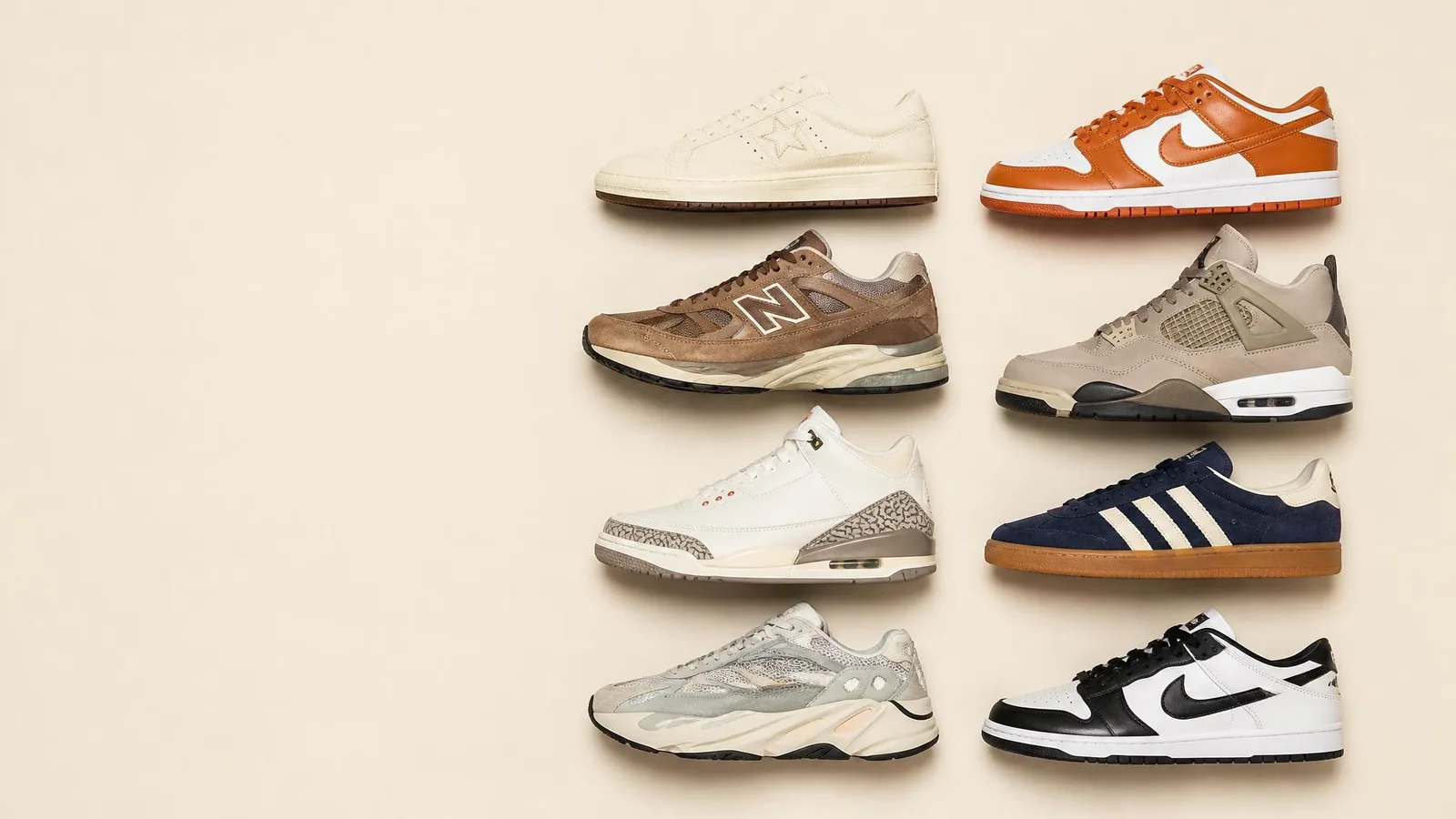
A sneaker rotation system for collectors is a decision framework that answers 2 questions: which pair to wear next, and what to update in the record after you wear it. It runs on 4 inputs: season, weather, recent wear history, and current condition.
Collectors with 20 or more pairs often leave most of what they own boxed. Pairs get forgotten, condition records go stale, and the collection log stops reflecting reality. A rotation fixes that by making every wear a deliberate, recorded choice. The system lives wherever your collection does. In CYKI, that means your rack. This guide is for collectors who want to wear their pairs and know exactly what they have at the same time.
Why Your Rotation Is Part of Your Collection Record
A rotation that never feeds back into a condition update is incomplete. The pair went out. Its status changed. The record should reflect that.
Collectors with 20 or more pairs benefit most from a structured rotation because it surfaces pairs they own but rarely think about. Without a system, 5 or 6 favourites get all the wear while 40 others sit in the same condition they were in at purchase. That is not a collection you know. It is a collection you once bought.
A rotation can coexist with a dead stock philosophy. Some pairs stay boxed by design. A rotation system makes that an explicit, recorded choice rather than an accidental outcome. Dead stock is a decision, not a default.
Knowing what you have worn versus what remains unworn is part of knowing what to record in your collection log. The distinction between "never laced up" and "worn 3 times this summer" is real information. It belongs in the record.
The 4 Inputs: Season, Weather, Recent Wear and Condition
Every rotation decision runs through 4 filters. Together they move the choice from "whatever I grab" to something you can explain and record.
- Season. Season sets the broad shortlist. Pairs suited to summer heat differ from those suited to winter, both in materials and in how you want to present them. A seasonal cut immediately narrows a 40-pair collection to a working group of 8 or 10.
- Weather. Weather on the day narrows the shortlist further. Suede and nubuck uppers are more vulnerable to moisture and dirt than leather or synthetic alternatives. A wet forecast is a clear signal to reach for a different pair.
- Recent wear history. Recent wear history prevents the same pairs from being overworked while others age unworn. If a pair has been out 3 times this month, it earns a rest. Tracking recent wear also surfaces pairs you have been overlooking.
- Current condition. Condition is the final filter. A pair already showing wear could be prioritised over a cleaner pair if the condition difference is not yet material to you. A pair you want to protect stays on the shelf intentionally. Condition also feeds into estimated rack value, so this filter connects the rotation directly to the accuracy of your collection record.
Those 4 inputs are the entire framework. No scoring matrix. No spreadsheet formula. Season, weather, recent wear, condition.
Building Your Active Rotation From a Larger Collection
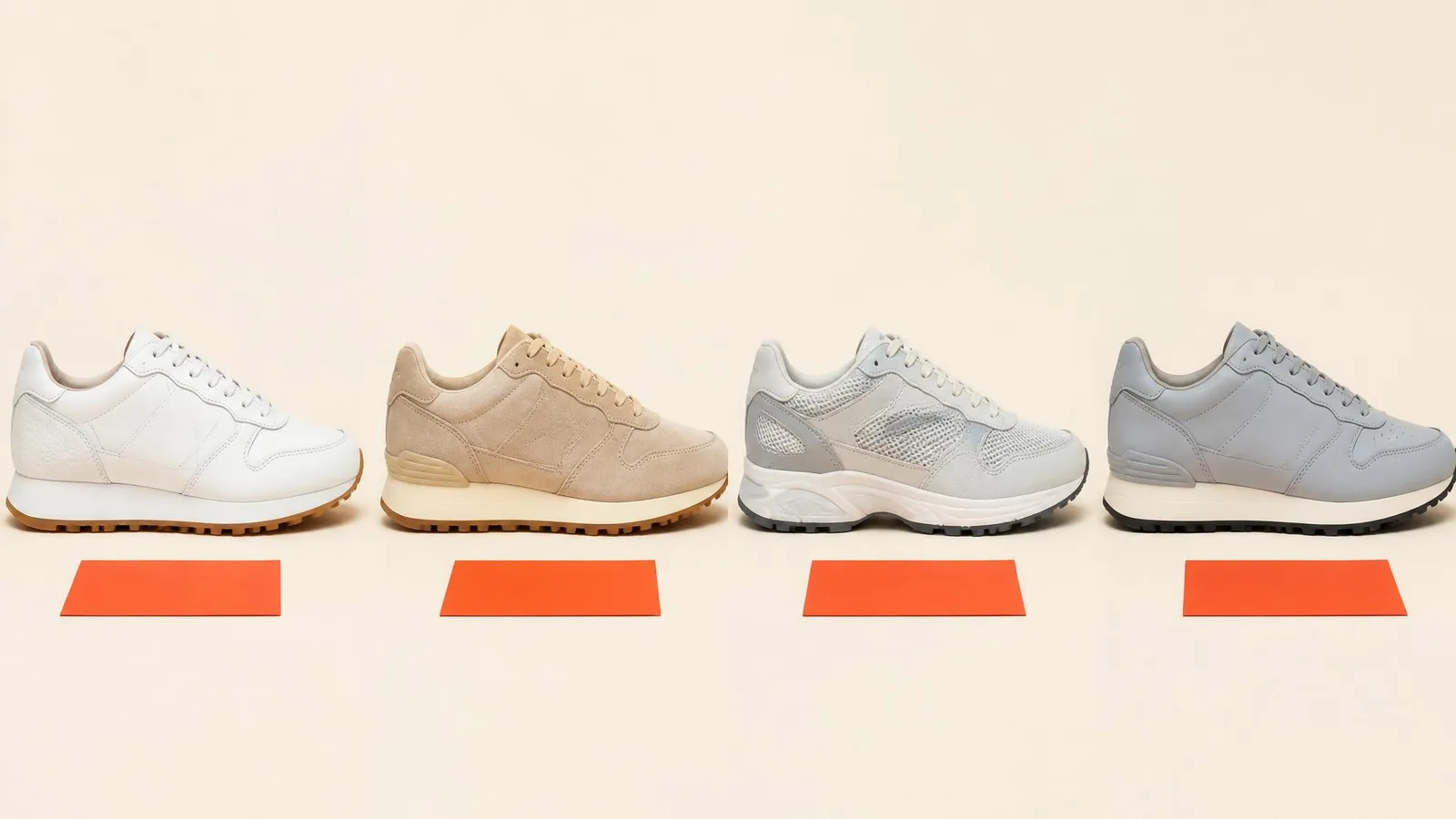
Start with a shortlist of 5 to 10 pairs that fit the current season. Foot Locker's collector guidance recommends at least 5 pairs in a rotation to give enough room to style shoes and outfits accordingly. That number is a practical starting point, not a ceiling. From the seasonal shortlist, your daily or weekly pick comes from the remaining 3 inputs.
At collection scale, alternating pairs means something different than it does for a casual wearer. Hibbett's rotation guide describes the practice as not putting on the same pair 2 days in a row. When you own 30 or 50 pairs, that same logic applies across weeks rather than days. The goal is circulation, not repetition.
Pairs that have not been worn in over 12 months are worth flagging in your collection log. They may be intentional hold decisions. They may be forgotten inventory. Either way, the log should reflect the truth.
A rotation does not mean every pair gets equal time. Grails, dead stock holds, and pairs awaiting the right occasion all have a legitimate place in a collection without needing to be in the active shortlist. Tracking how to track your grails alongside your active rotation keeps the full picture visible.
Seasonal Rotation by Material: What to Wear When
Seasonal rotation keeps frequently worn shoes accessible while reducing clutter during the rest of the year, a principle StorageCafe's sneaker storage guide highlights as foundational to any organized collection. The value this section adds is the material layer on top of that seasonal logic.
- Leather and smooth synthetics handle moisture and temperature variation better than most other uppers. They belong in the autumn and winter shortlist, where wet days and road salt are regular hazards.
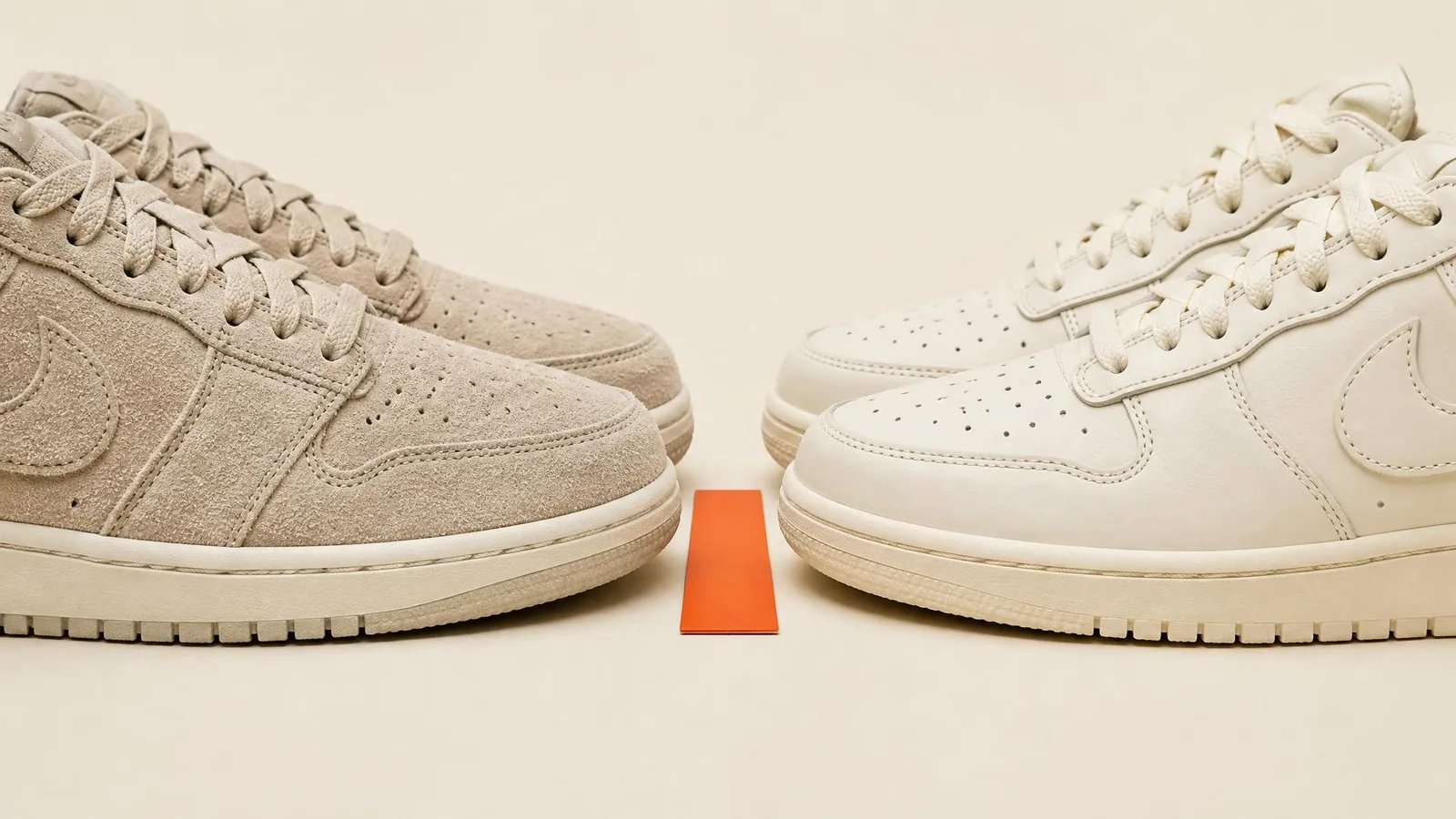
- Suede and nubuck are best rotated into dry spring and summer months. On days with rain in the forecast, pull a leather or synthetic pair instead. This is risk-aware rotation, not a guarantee of preservation.
- Mesh and lightweight fabrics are natural summer picks. They breathe well in heat but can become uncomfortable in cold, damp conditions. They also pick up dirt faster on wet surfaces.
- Seasonal rotation by material type is not a strict rule. It is a default that keeps condition changes more predictable and cleaning requirements manageable.
Pairs sitting out of their season benefit from proper storage. A guide to protecting pairs in storage covers the environment side of the equation while the rotation handles the wear side.
After the Wear: Updating Condition So the Record Stays Honest
The rotation is not complete when the pair goes back in the box. It is complete when the condition record is updated.
A single careful wear does not necessarily move a pair out of a high condition bracket. The outcome depends on how it was worn, what conditions it faced, and how it was cleaned before returning to storage. Condition changes are pair-specific. There is no universal formula for how one outing translates to a grade shift.
Update the condition in your collection log as soon as the pair comes off. Leaving it until later means the record stays inaccurate, and the estimated rack value in your portfolio reflects a condition that no longer exists. Rack value is an estimate based on resale marketplace data. When the condition input is wrong, the estimate is wrong too.
Dead stock means the pair has never been worn and remains in original packaging. Once a pair has been out, that label no longer applies. Update the condition to reflect reality: lightly worn, showing creases, sole wear visible. Plain language works until you have a grading system you trust. A condition grading guide can help calibrate what you see against what the market recognizes.
CYKI holds the condition record alongside the estimated rack value and the full collection history. The sneaker condition update after wear happens in the same place where you track everything else.
How Condition Connects to Rack Value
Rack value in CYKI is an estimate based on resale marketplace data. It reflects what pairs in similar condition have recently sold for, not what your specific pair will sell for.
When you update a pair's condition after wear, the rack value estimate for that pair may shift. How much depends on the pair, the market for it at that moment, and the condition bracket it moves into. Some pairs hold value through light wear with minimal movement. Others are more sensitive. The outcome is pair-specific, and no tool can predict it with certainty.
This is why the condition update matters even if you never plan to sell. An inaccurate condition record produces an inaccurate rack value estimate, and your portfolio reflects a collection that no longer exists. Understanding how CYKI estimates your collection value makes the connection between condition inputs and value outputs clearer.
The goal is not to protect value by avoiding wear. The goal is to keep the record honest so you always know what you actually have.
FAQ: Rotation, Condition and Keeping Your Collection Honest
Does wearing sneakers once affect resale value?
Condition change is pair-specific. One careful wear in good conditions does not automatically move a pair to a lower bracket. The important step is updating the condition in your collection log to reflect reality rather than leaving the record at dead stock when the pair has been on your feet.
Should I wear my grails or keep them dead stock?
Both are valid collector choices. A rotation system does not push you toward one or the other. It makes whichever choice you make an explicit, recorded decision rather than something that happened by accident.
How many pairs should be in a sneaker rotation?
A seasonal shortlist of 5 to 10 pairs is a practical range for most collectors. Foot Locker's collector guidance suggests at least 5 to give enough variety. Larger collections benefit from refreshing the shortlist each season.
What is the best way to track which sneakers you have worn?
CYKI tracks condition updates after each wear alongside rack value estimates in one collection log. That gives you a live record of worn versus unworn pairs without maintaining a separate spreadsheet. See how CYKI compares with other collector tools for a fuller picture.
How do I decide which sneakers to wear from a large collection?
Run the 4 inputs: season, weather, recent wear history, and current condition. The pair that fits well across all 4 is the pick for the week.
Choose This Week's Pair
Apply the 4 inputs now: season, weather, recent wear, condition. Pick the pair that fits.
Wear it. Then open your rack and update the condition. That one step keeps the whole collection record honest.
Choose this week's pair, then update its condition after wear. The rotation is not a chore. It is the practice that turns a collection into something you actually know.