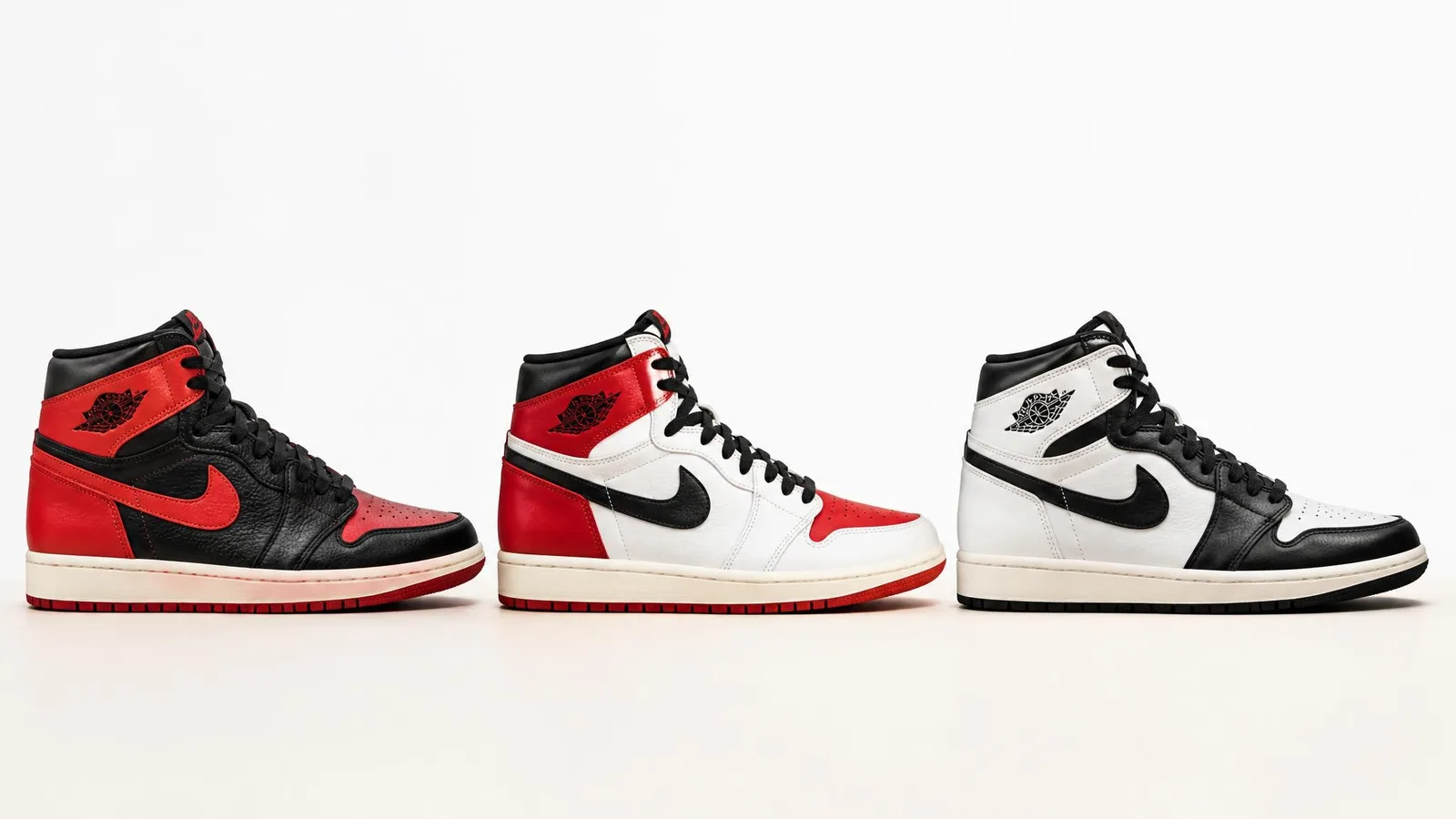
Your friend calls it the Bred. The box says Black/Red. The receipt says nothing at all. That gap between the name you hear and the name on the packaging is the core puzzle this article solves. Sneaker nicknames are not official brand designations. They are community shorthand, coined by collectors and sneaker media, and they never appear on the box, the hang tag, or the receipt. The origin of sneaker nicknames explained in 1 sentence: collectors needed shorter, more memorable names than official colorway strings, and those names stuck. Understanding the difference matters the moment you try to search, catalog a pair, or verify a pair using style codes, colorways and SKUs.
What Is a Sneaker Nickname and How Sneaker Nicknames Work
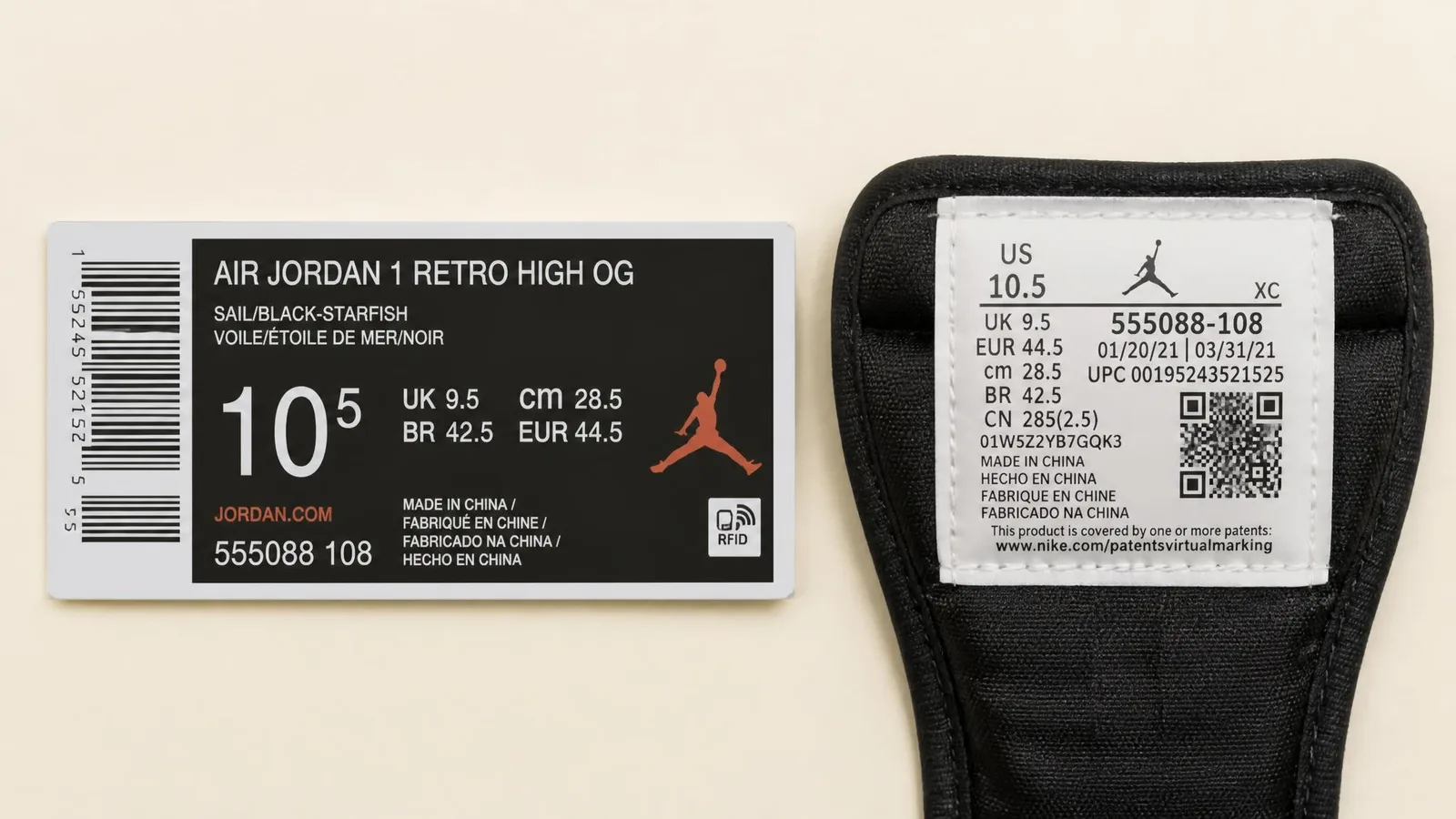
Brands like Nike and Jordan Brand assign 2 internal identifiers to every shoe. The first is an alphanumeric style code (sometimes called a SKU). The second is an official colorway string. Neither is the nickname.
Nicknames come from somewhere else entirely. The Medium essay Sole Power: The Stories Behind Sneaker Nicknames documents that some names are part of the brand's own marketing from release day, while others emerge from the community after the shoe is already on shelves. The split matters because it means no single authority decides what a shoe is called in conversation.
The nickname travels faster than the official name because it is shorter, more evocative, and easier to drop in a caption or a group chat. "Bred" is 1 syllable. "Black/Varsity Red-White" is 7. You will never find the nickname on Nike's website, in Jordan Brand press materials, or printed on any box in any size. It lives in community usage, and that is exactly where the confusion starts.
Where the Big Nicknames Came From
The 3 nicknames newer collectors encounter first are Bred, Chicago, and Panda. Each one has a different kind of origin story, and knowing the difference helps you understand how sneaker colorway nicknames get their meaning.
Bred is a portmanteau: Black plus Red compressed into 1 syllable. The Air Jordan 1's black and red colorway made it a natural fit for the shorthand, and the name was in wide community use by the late 1980s. No single person or publication is credited with coining it. The origin is community-assigned, with no documented first use.
Chicago refers to Michael Jordan's team, the Chicago Bulls, whose red and white colors match the shoe's colorway. What the Chicago Jordan 1 name means is straightforward: city, team, shoe, all in the same palette. The precise moment the community settled on "Chicago" as the default label for the White/Black-Varsity Red colorway is not formally recorded, but the connection between the city and the colorway has been consistent for decades.
Why the Dunk Low Is Called the Panda
Panda describes the black and white colorway of the Nike Dunk Low, matching the coloring of a giant panda. The nickname gained widespread traction after the shoe's 2021 mass restock made it 1 of the most distributed Dunks of that period. Unlike Bred or Chicago, Panda is a relatively recent addition to the collector vocabulary, and its speed of adoption reflects how quickly social media can lock in a name.
Beyond these 3, several other nicknames are worth knowing.
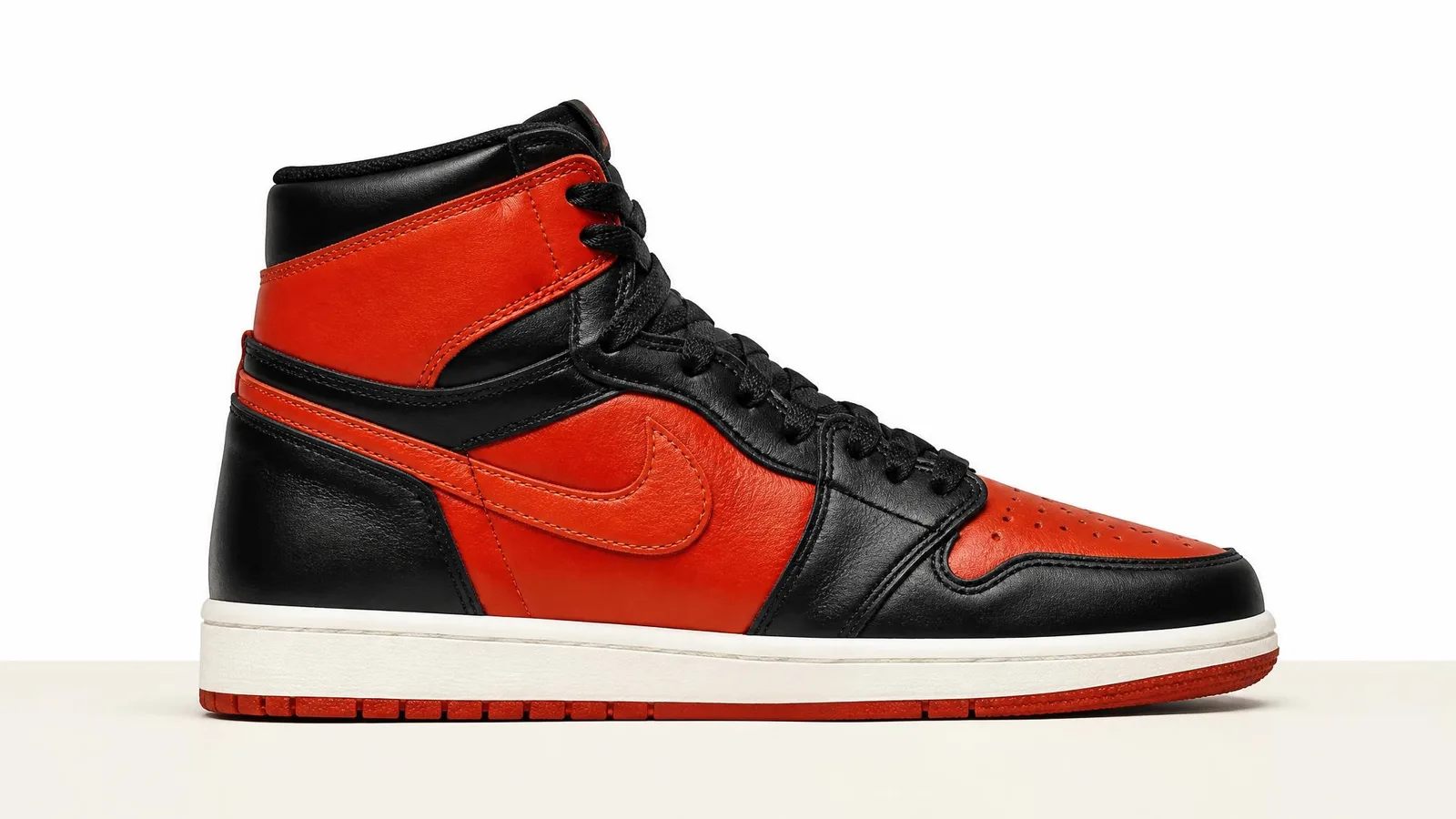
Shattered Backboard has the clearest sourced origin in the group. It references a documented 1985 exhibition game in Trieste, Italy, where Michael Jordan shattered a glass backboard while wearing an orange and black colorway. This is the strongest example of a nickname tied to a verifiable historical event, which separates it from colorway-descriptive names.
Royal, Shadow, and Zebra are all descriptive labels. Royal references the royal blue in the Air Jordan 1's black and blue colorway. Shadow references the muted grey-and-black palette. Zebra references the black and white stripe pattern on the Adidas Yeezy Boost 350 V2. All 3 are community-assigned descriptors with no single attributed source.
Complex's list of the 25 best sneaker nicknames, published in 2012, traces at least 1 name to specific geographic communities, a reminder that these labels are cultural artifacts with local roots, not marketing copy written in a boardroom.
Where an origin cannot be pinpointed to a documented event or publication, the honest answer is that the community coined it and no one kept a receipt.
One Nickname, Many Shoes
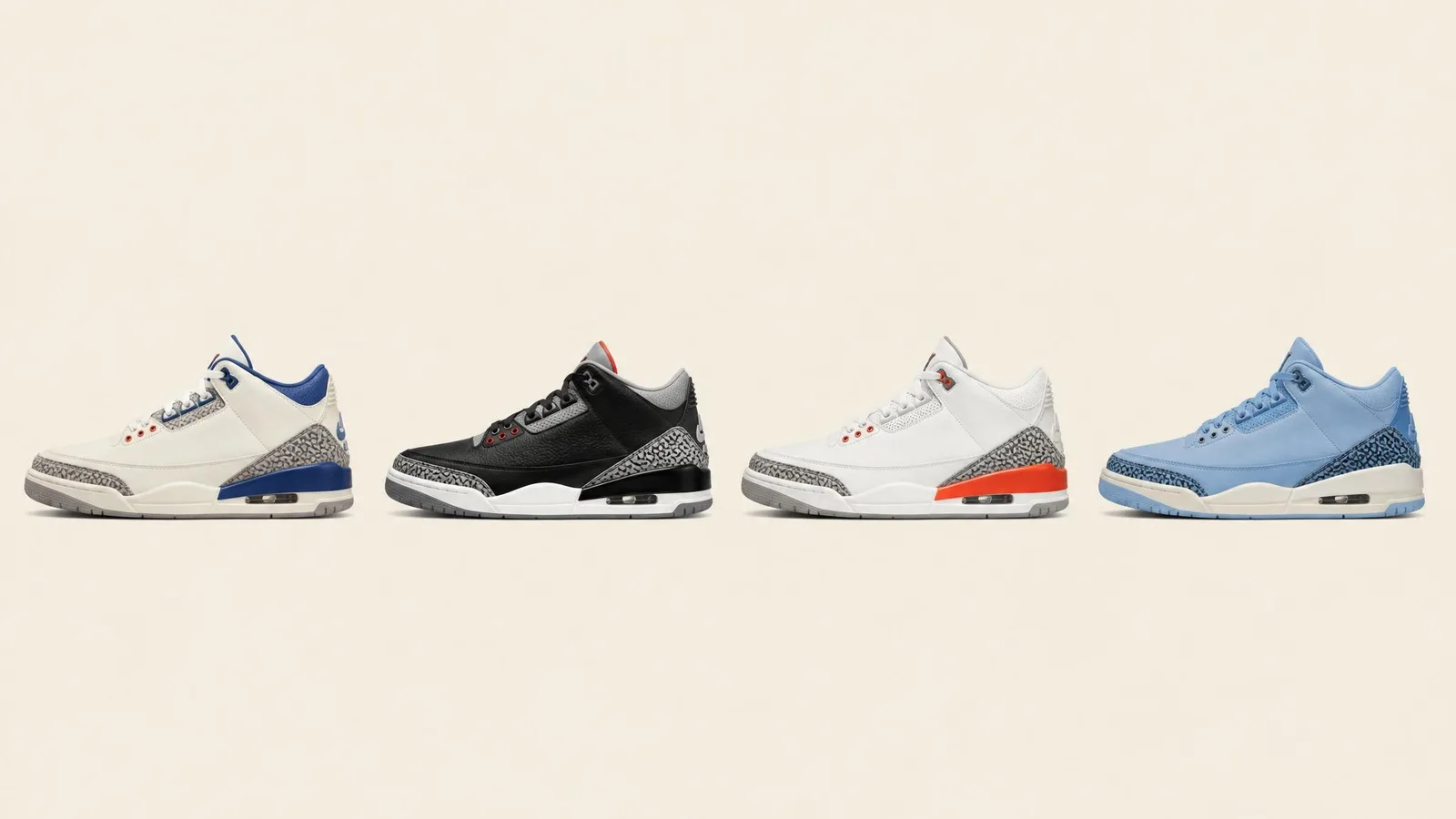
A colorway nickname like Bred does not point to 1 shoe. It describes any shoe in a black-and-red colorway within the Jordan line. The Jordan 1, the Jordan 4, and other models all have their own Bred release, each with a distinct style code and a different release year.
This is the core reason why 1 nickname covering multiple sneaker releases creates confusion. You type "Bred" into a search bar and get a list of shoes spanning multiple decades, models, and price points. The nickname is a description, not a unique identifier.
Official colorway strings and style codes do not have this problem. A style code identifies exactly 1 product entry in a database. A nickname can cover dozens. If you are trying to catalog, buy, or verify a specific pair, the style code is the identifier that eliminates ambiguity.
Why Searching by Nickname Returns the Wrong Results
Marketplaces and sneaker databases index by official colorway name, style code, or product title. A nickname is not 1 of those fields. Typing "Bred" into a search bar may return 0 results, partial matches, or a mix of different shoes that share the colorway description.
The same friction applies when you try to add a pair to your rack in a cataloging tool. The shoe lives in the database under its official name, not its community nickname. If you want to find how to search for sneakers using nicknames effectively, the answer is: do not. Search by the official colorway string or the style code instead.
Searching by style code eliminates the ambiguity. You get the exact product entry, the correct release year, and the right size run. CYKI indexes by official colorway names and style codes, so typing the style code surfaces the specific pair you own.
Nickname Reference Table: Official Colorway and Style Code
This table maps 7 of the most recognized sneaker nicknames to their official colorway strings and style codes. Nicknames apply to the community name only. New releases regularly share old nicknames, so always verify the style code against the specific pair you own.
| Nickname | Shoe Model | Official Colorway | Style Code |
|---|---|---|---|
| Bred | Air Jordan 1 High OG | Black/Varsity Red-White | 555088-001 |
| Chicago | Air Jordan 1 High OG | White/Black-Varsity Red | 555088-101 |
| Panda | Nike Dunk Low | White/Black | DD1391-100 |
| Royal | Air Jordan 1 High OG | Black/Royal Blue | 555088-007 |
| Shadow | Air Jordan 1 High OG | Black/Medium Grey-White | 555088-013 |
| Shattered Backboard | Air Jordan 1 High OG | Starfish/Black-Sail-White | 555088-005 |
| Zebra | Adidas Yeezy Boost 350 V2 | White/Core Black/Red | CP9654 |
All trademarks and brand names belong to their respective owners. This table is not exhaustive. Other nicknames exist beyond those listed here. For a deeper explanation of what style codes, alphanumeric SKUs, and official colorway strings mean, read our guide to style codes, colorways and SKUs.
Note: style codes listed reflect the most widely traded retro or reissue version of each shoe. Where a shoe has been released multiple times under different style codes, the code shown is the version most commonly encountered in current resale listings. Verify each code against a live KicksDB or Sneaker Database listing before using it to catalog or purchase a pair.
Frequently Asked Questions
What is an official sneaker colorway name? It is the color descriptor a brand uses in its own catalog. For the Jordan 1 Chicago, that string is "White/Black-Varsity Red." It is precise, brand-assigned, and always appears on the box or in official product listings. The nickname is the community's shorter version of that description.
Are sneaker nicknames official? Most are not. They are assigned by the collector community, sneaker media, and retailers. A small number are tied to documented events (like Shattered Backboard) or amplified by the brand's own marketing, but they do not appear in any official catalog.
Does every sneaker have a nickname? No. Nicknames tend to form around shoes with a culturally significant colorway, a memorable story, or heavy collector attention. Most shoes are known only by their official colorway string and style code.
How do I find a sneaker's style code from its nickname? Look up the nickname in a verified reference like KicksDB or The Sneaker Database. Find the official colorway entry that matches the specific release you own, then use the style code from that listing to search, catalog, or verify the pair.
Why does searching by nickname sometimes show the wrong shoe? Marketplaces and databases index by official colorway name and style code, not by community nickname. A single nickname can cover several models and release years, so a nickname search returns everything that matches the description rather than the exact pair you want.
The Bottom Line on Official Colorway Versus Nickname
Nicknames are cultural shorthand. They are how collectors talk about shoes, not how databases or boxes identify them. When you are ready to catalog a pair, search CYKI by the official colorway or style code, not the nickname. All trademarks referenced in this article belong to their respective owners. Nothing here is investment advice. Resale figures, where relevant elsewhere on CYKI, are estimates based on resale marketplace data.