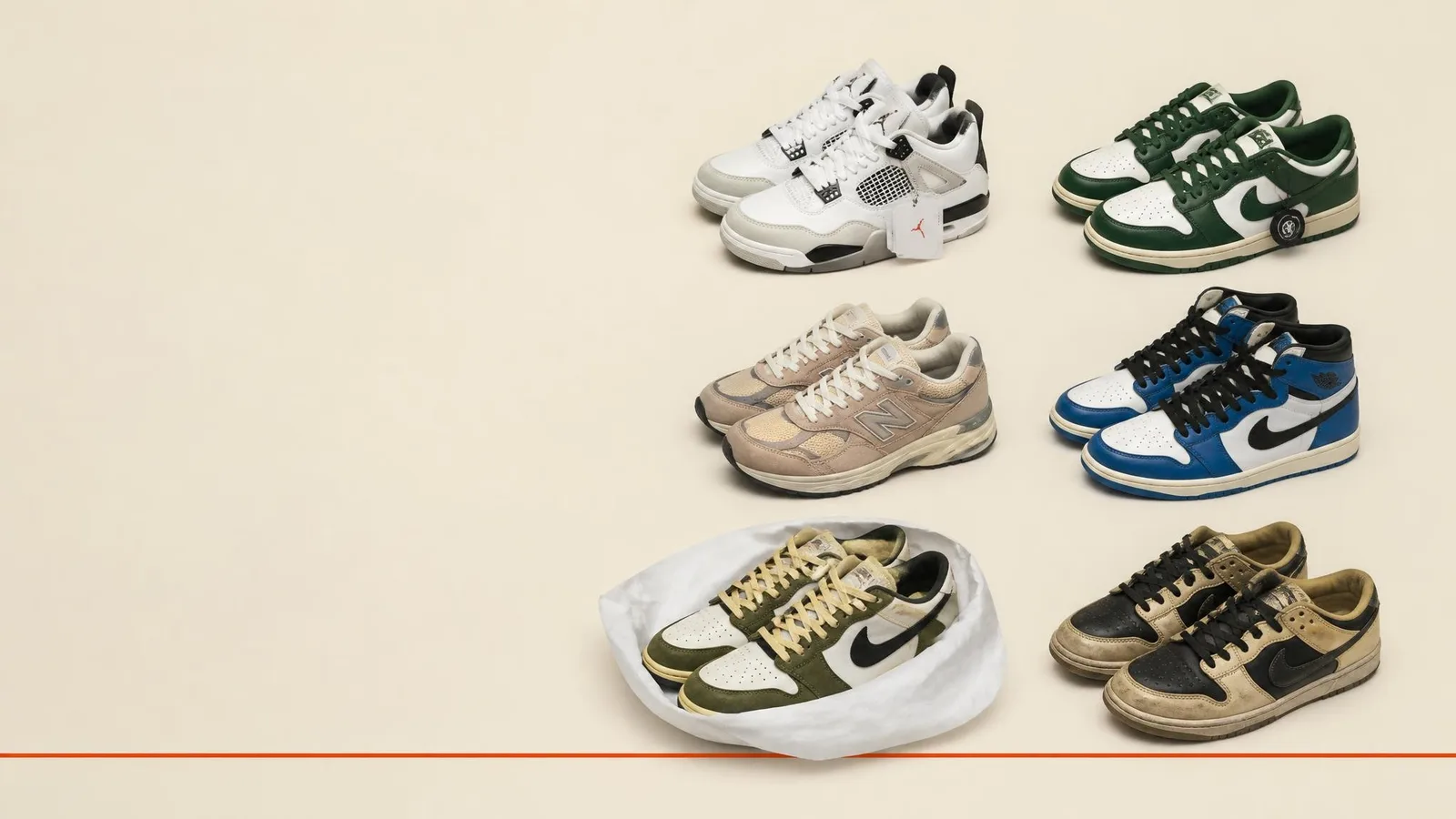
Six channels exist for buying sneakers in 2026: retail, raffle, resale marketplace, consignment, secondhand, and private sale. Each one works differently, and each one leaves a different piece of evidence behind. Sneaker buying channels explained in one line: the channel you use determines what you can prove about the pair later. This guide covers all 6, maps each to its evidence trail in a reference table, and closes with how to log that channel alongside every pair you own.
How Sneaker Buying Works Now
Limited releases that once meant overnight queues now move through app-based draws, online raffles, and resale platforms. Walking in on release day is rarely a viable strategy for heat. If you last bought by lining up outside a store, the landscape looks nothing like it did.
Six distinct channels cover where to buy sneakers in 2026: brand app retail, authorized retailer retail, app-based or in-store raffles, resale marketplaces, consignment shops, secondhand markets, and private sales between collectors. Each channel has its own mechanics, its own access point, and its own evidence trail. The channel you use determines what you can prove about the pair later. Understanding these channels as a system is what makes the rest of this guide immediately useful. If you are also thinking about how to build sneaker collection habits from the ground up, the channel you choose is the first decision that shapes everything else.
Retail: How to Buy Sneakers at Retail
Retail means buying from a brand's own app or website, or from an authorized retailer, at the official release price. This is the cleanest channel for establishing cost-basis.
The evidence retail produces is an order confirmation: a time-stamped email or in-app record that includes the retail price, the pair, and your size. This is the clearest cost-basis record available. For in-store purchases, a physical receipt is the equivalent document. Some stores now email receipts automatically. Request one if they do not.
Retail confirmations do not expire or lose validity. A 2019 order confirmation email is still a legitimate cost-basis document today, provided you can retrieve it.
Brand apps often store order history in-account. Screenshot or export your order details at the time of purchase rather than relying on the account remaining accessible years later. Email inboxes get deleted. Apps get deauthorized. The screenshot you take now is the one you will actually find in 3 years.
Sneaker Raffle Explained: Two Emails, One Pair
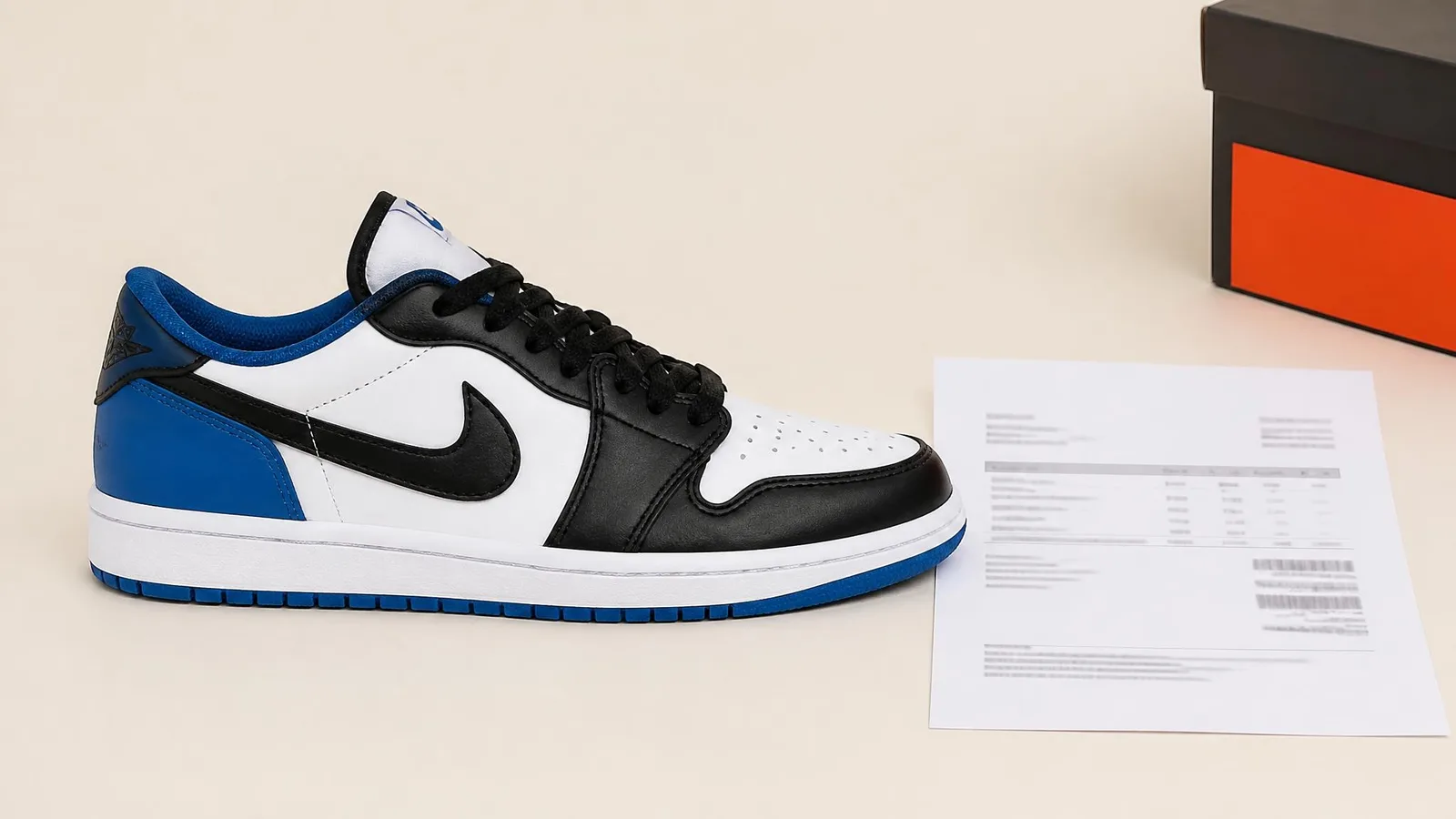
A raffle is an entry window, not a first-come queue. You register for the chance to buy a pair. If selected, you are notified and then charged or directed to complete the purchase.
A successful raffle produces 2 documents: the draw result notification confirming you were selected, and the order confirmation confirming the purchase completed and at what price. Both matter, and they are not the same thing.
The raffle notification alone is not a receipt. It confirms selection, not purchase. The order confirmation is the cost-basis document. Keep both, clearly labeled. Collectors who treat the draw notification as their receipt are missing the actual purchase record.
Raffle wins do not guarantee authentication at future resale. The tag a buyer eventually receives from a resale platform reflects that platform's inspection, not the original raffle record.
In-store raffles work similarly. You enter at the counter, receive a confirmation (often a physical slip or SMS), and return to complete the purchase if selected. Treat the purchase receipt as the primary evidence, not the entry slip. If your raffle order confirmation is lost or inaccessible, you can reconstruct your sneaker collection receipts using other records from that transaction.
Resale Marketplaces: The Receipt and the Tag
Resale marketplaces are digital platforms where sellers list pairs and buyers purchase them, with the platform handling authentication and shipping. The buyer pays above retail. The evidence reflects that higher cost-basis.
Resale marketplace receipts from platforms like StockX and GOAT confirm the transaction price, the pair, and the date. That price is your cost-basis for the pair, not the original retail price.
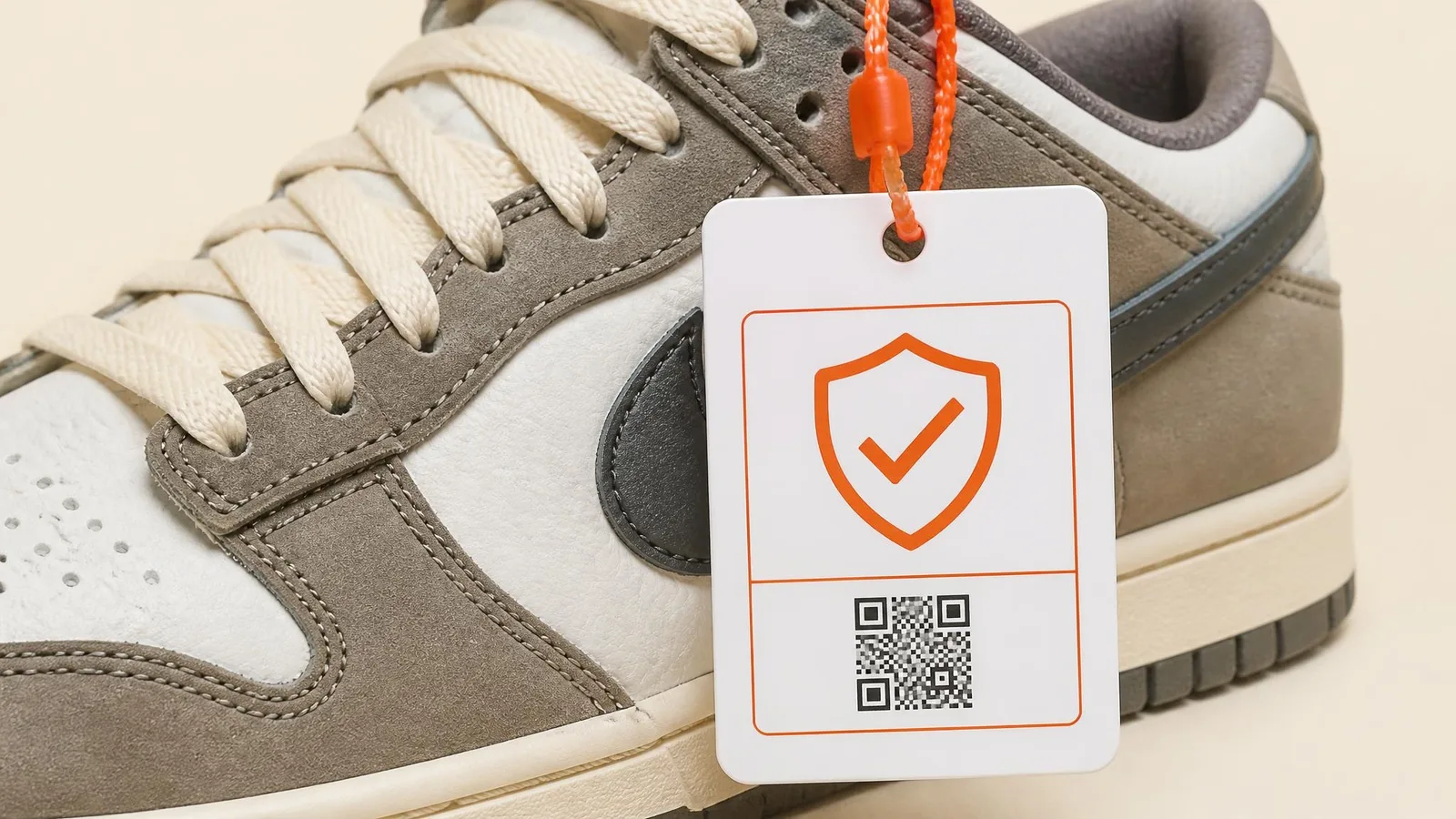
Most major platforms also attach a physical authentication tag to the pair before it ships. This tag records that the pair passed the platform's inspection at a specific point in time. It is evidence of that check, not a permanent certificate of authenticity.
Keep both the digital receipt and the physical tag. If the tag is removed or lost, the digital transaction record is still valid as a cost-basis document. The tag and receipt together tell you what you paid, where you bought it, and that it passed authentication on that date. They do not tell you anything about the pair's history before it reached the platform.
Consignment Shops Near You: What the Tag Tells You
The difference between consignment and resale marketplace for sneakers is one of structure. In consignment, a physical shop holds and sells the pair on behalf of the original owner, who remains the legal owner until the sale completes. A resale marketplace is a digital intermediary.
Consignment shops physically inspect and tag pairs on intake. The consignment tag typically includes the shop name, pair details, size, and price. When you buy, you receive a shop receipt and the tagged pair.
What a sneaker consignment tag is, in practical terms, is a record of the shop's inspection at point of intake. It tells you the shop accepted the pair as authentic and priced it accordingly. It does not tell you where the seller originally acquired it.
Keep the receipt from the consignment shop rather than relying solely on the tag. The receipt has a transaction date and price. The tag is an intake record, not a sale record.
Consignment shops vary significantly in their authentication standards and documentation practices. The tag is useful evidence, but it carries less universally recognized weight than a major platform's authentication tag. If you are searching for sneaker consignment shops near you, ask about their intake inspection process before buying.
Buying Sneakers Secondhand: When There Is No Paper Trail
Buying secondhand sneakers with no documentation is common at thrift stores, garage sales, and informal markets. Cash transactions produce no receipt, no authentication, and no digital record by default.
The absence of documentation does not mean the pair lacks provenance. It means you need to create a minimal record yourself at point of purchase.
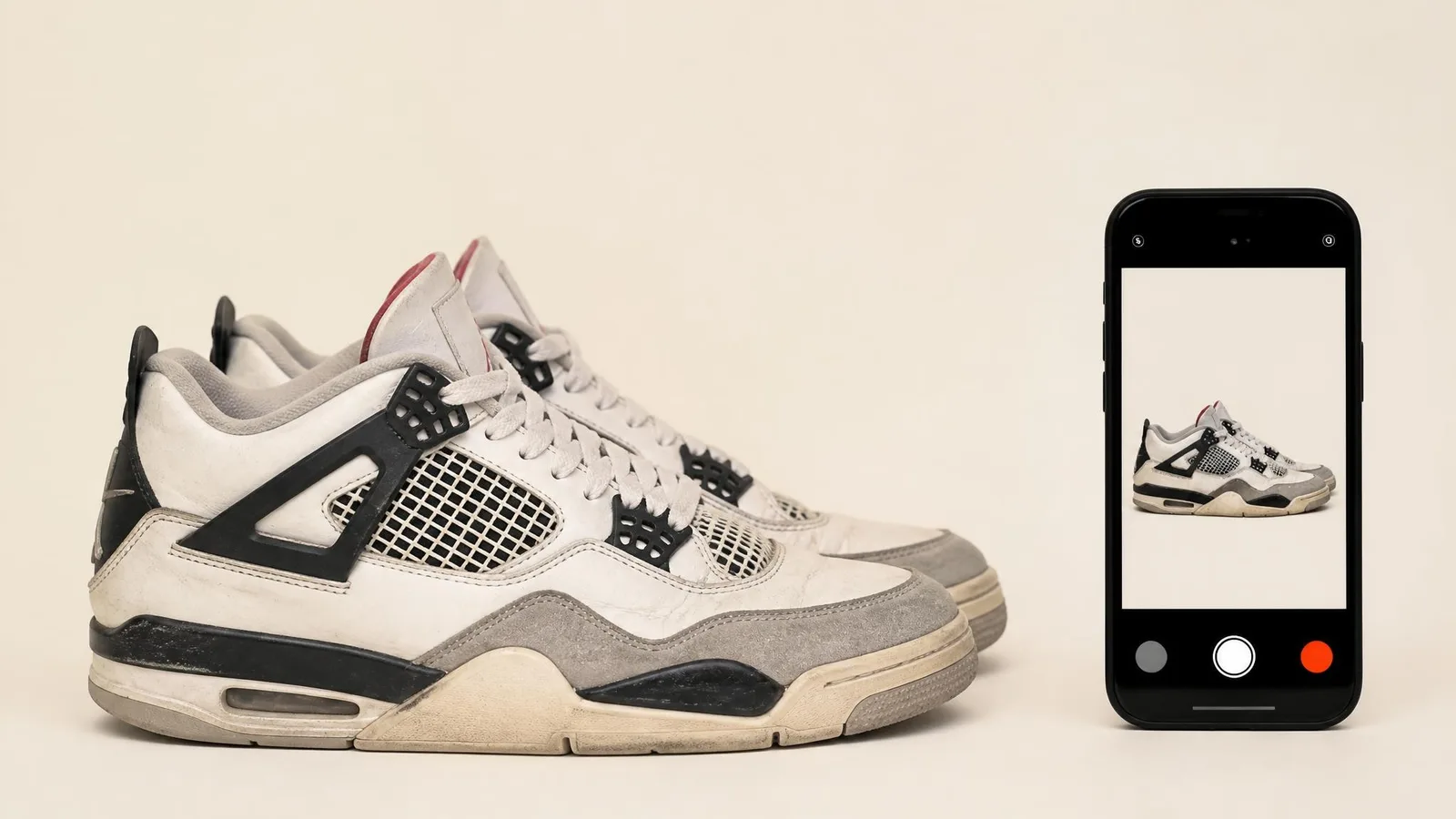
Take dated photographs of the pair, the box, and any tags present at the moment of purchase. A photo's metadata timestamp is lightweight evidence that you held the pair on a specific date.
If the seller can provide any prior documentation, even a screenshot of a previous marketplace listing, that adds a layer of provenance. Ask before you walk away.
For grails acquired through informal channels, note the purchase location, approximate price paid, and date in your collection record. A written note is better than no record at all.
Private Sales: Chat Logs and Payment Records
Private sales between collectors, commonly arranged through Instagram DMs, Discord servers, or Reddit threads, are the channel with the least formal documentation by design. That does not mean they leave no evidence.
Buying sneakers via private sale with no receipt still produces 2 recoverable records: the conversation thread showing what was agreed, at what price, and when; and the payment app transaction from Venmo, PayPal, Cash App, or a bank transfer confirmation.
Screenshot the full conversation thread at the point of sale, including any photos the seller shared of the pair and box. Screenshots are time-stamped and form a coherent evidence trail alongside the payment record.
A chat log plus payment app record together constitute a usable provenance document even without a formal receipt. The combination confirms you transacted with a specific party, at a specific price, on a specific date.
For high-value private sales, consider requesting a photo of the seller holding the pair alongside a dated note. This creates a link between the seller's identity and the pair at point of transfer.
Channel vs. Evidence: The Reference Table
A channel-by-evidence table covering retail, raffle, and resale alongside consignment, secondhand, and private sale channels.
| Channel | How You Buy | Evidence Produced |
|---|---|---|
| Retail | Brand app, brand website, or authorized retailer at release price | Order confirmation email or physical receipt with timestamp and retail price |
| Raffle | Entry window via app or in-store; charged if selected | Draw result notification plus separate order confirmation (2 documents) |
| Resale Marketplace | Digital platform purchase above retail, with platform authentication | Platform receipt and physical authentication tag |
| Consignment | Physical shop sells on behalf of original owner | Shop receipt and intake consignment tag |
| Secondhand | Thrift store, garage sale, informal market; often cash | No default documentation; dated photographs and any seller-provided prior records |
| Private Sale | Instagram DM, Discord, Reddit; direct collector-to-collector | Conversation thread screenshot and payment app transaction record |
How to Record Sneaker Purchase Channel for Your Collection
Knowing which channel you used matters more once your collection grows. When you have 30 or 40 pairs, remembering whether you bought a pair via raffle or from a consignment shop is not always easy 2 years later.
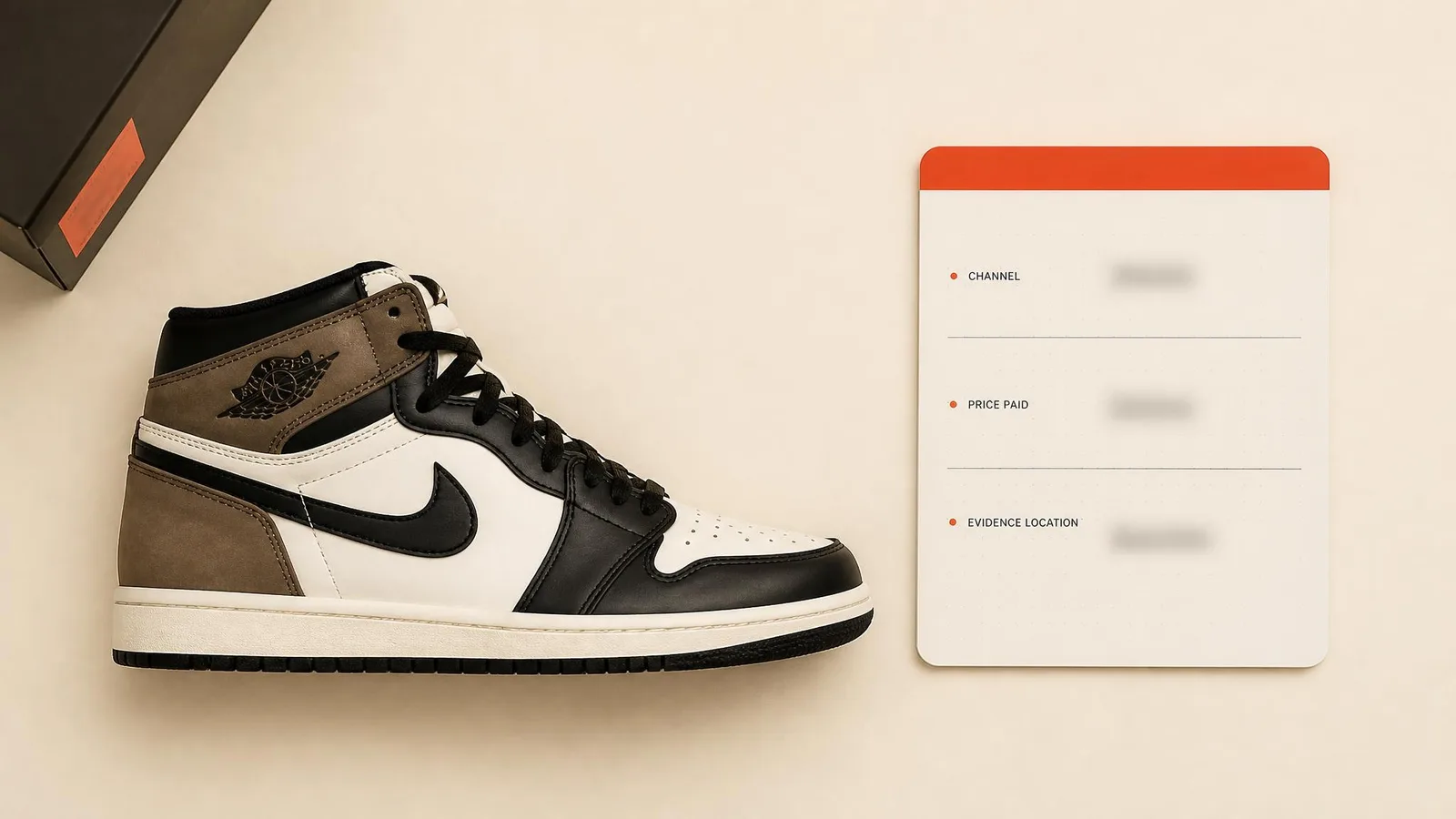
For each pair, record 3 things alongside the pair itself: the channel you used, the price you paid (your cost-basis), and where the evidence lives (email folder, photo library, chat screenshot). Understanding what to record with each pair makes this habit concrete.
Cost-basis tracking only works if the cost-basis is accurate. A resale marketplace purchase at above-retail and a retail purchase at release price are fundamentally different starting points for any future calculation.
CYKI lets you rack each pair with its purchase channel and evidence details alongside the resale marketplace data that drives your rack value estimate. Rack value is always an estimate based on resale marketplace data, not a guaranteed figure. Whether you add pairs manually or use a migration feature later, the channel field is worth filling in from the start.
Record the purchase channel and its evidence with each pair.
Frequently Asked Questions
What counts as proof of purchase for sneakers? It depends on the channel. A retail or raffle order confirmation, a resale marketplace receipt, a consignment shop receipt, a payment app transaction, or a timestamped chat log all count. The strongest is a time-stamped order confirmation at retail price.
Is a raffle confirmation the same as a receipt? No. A raffle draw notification confirms you were selected. The order confirmation that follows is the actual purchase record and cost-basis document. Keep both.
Where can you buy sneakers in 2026? The main channels are brand app retail, authorized retailer retail, app-based or in-store raffles, resale marketplaces, consignment shops, secondhand markets, and private sales between collectors.
What happens if I lose my purchase evidence? Start by checking your email history, payment app records, and order history within the platform's account. For grails where documentation is genuinely gone, see the guidance on how to reconstruct sneaker collection receipts.
Does a resale marketplace tag prove a pair is authentic forever? No. The tag records that the pair passed the platform's inspection at a specific point in time. It is not a perpetual certificate of authenticity.