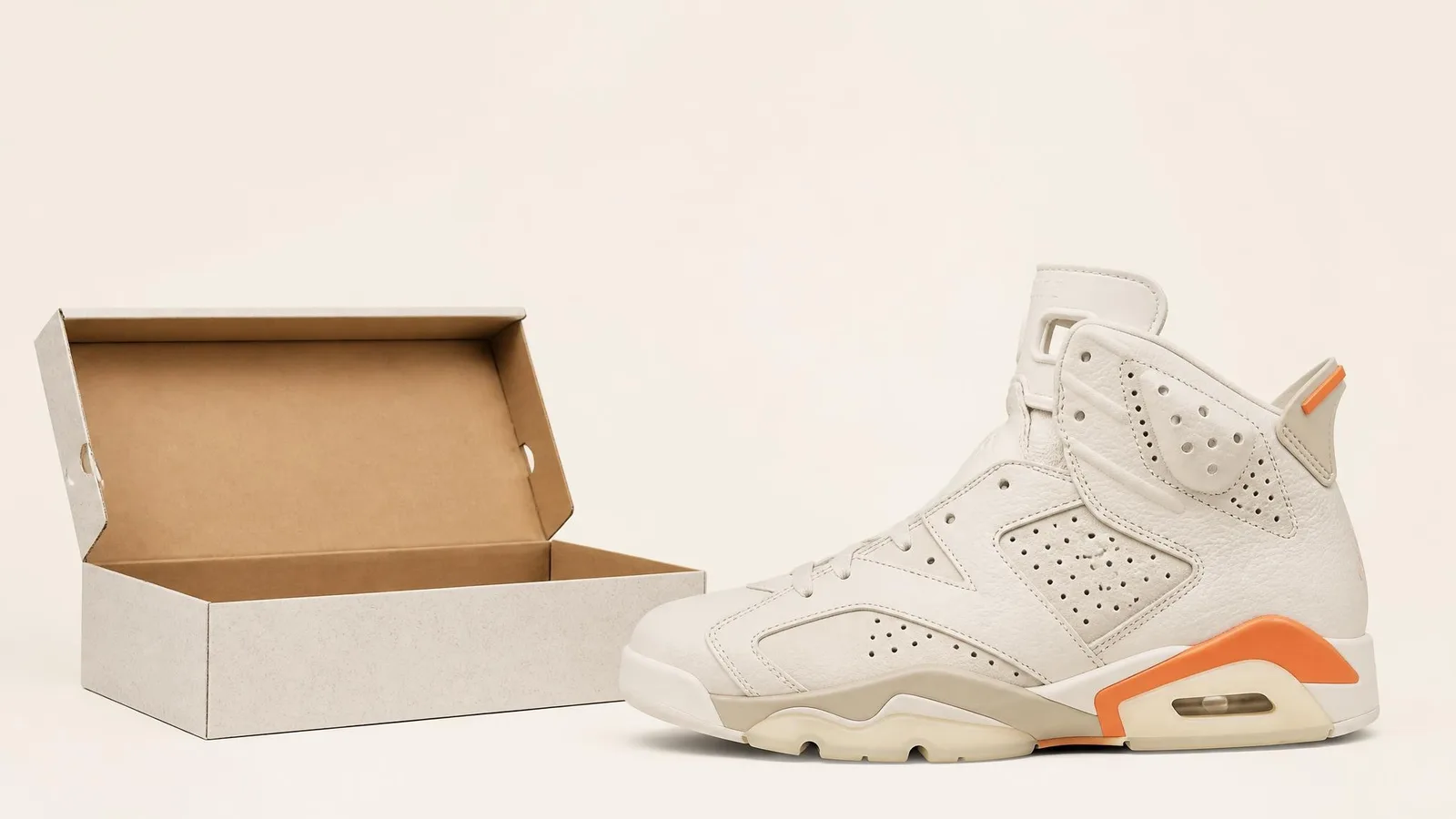
Completeness is not a flat discount. Knowing how to value incomplete sneakers means understanding that every missing component, the box, the laces, the collaboration extras, hits differently depending on the model. A dead stock Jordan 1 without its original box is a different conversation from a general release runner sold without one.
Three dimensions matter: box status (original, damaged, or replacement), accessories (laces, tags, inserts), and collaboration-specific extras (dust bags, certificates, co-branded packaging). What counts as a complete pair for sneaker resale depends entirely on what the pair originally shipped with. This article breaks each component down and closes with a framework for documenting what you actually have, starting with the 7 things to record for every pair.
Why the Box Premium Is Model-Specific
Supply and demand set the baseline for any sneaker's resale price. Limited availability and high buyer demand push prices above retail, a point Brit Insurance's sneaker valuation guide makes clearly in its breakdown of collectible sneaker pricing. Condition and completeness are secondary modifiers that sit on top of that baseline. They matter, but they do not override the fundamental economics of the model.
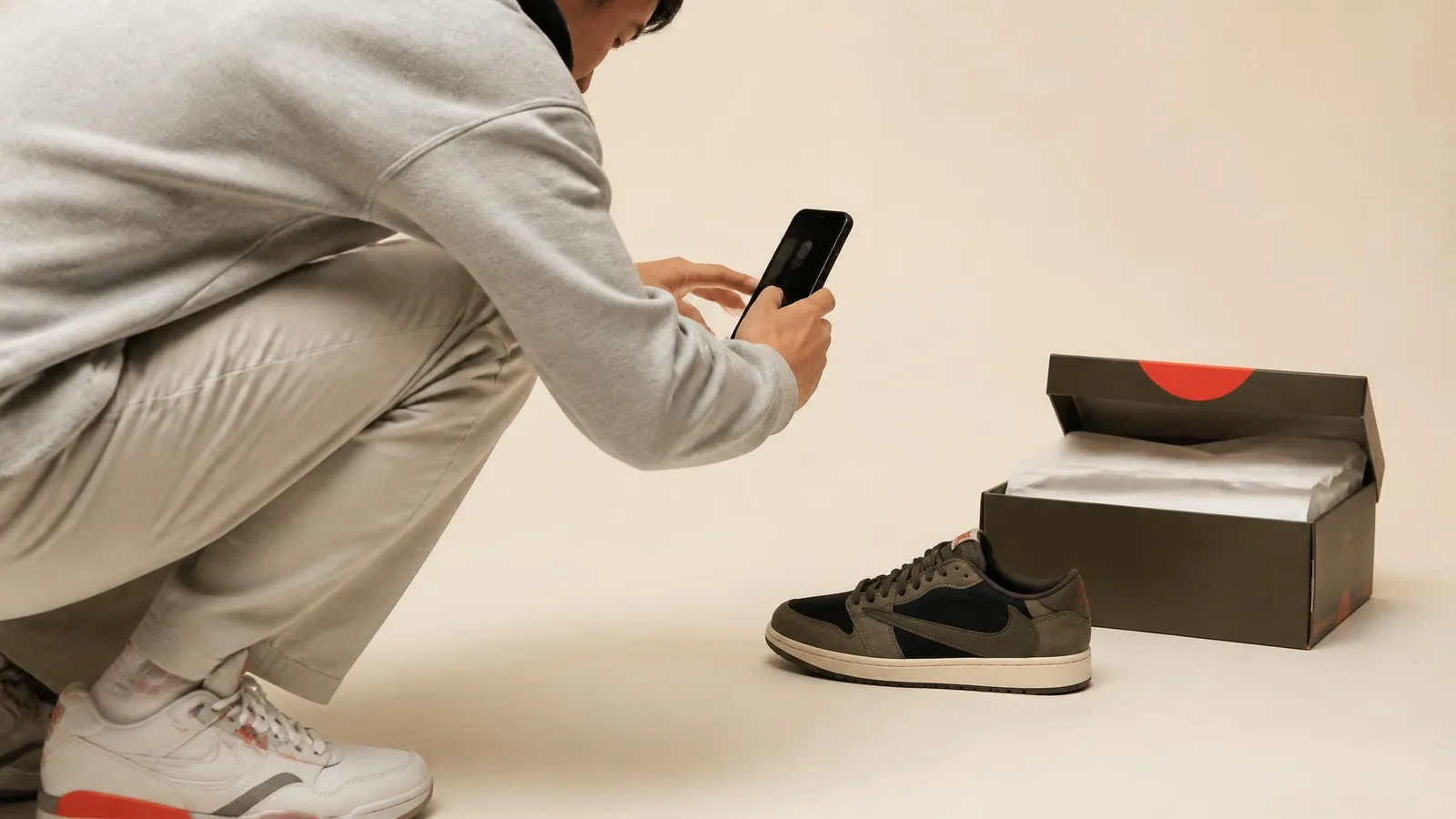
For high-heat limited releases where buyers expect dead stock presentation, the original box is part of the package they are paying for. Buyers filter listings by box status. They compare. They price accordingly. For general release models with wide retail availability, box presence rarely shifts the final sale price because the buyer pool is not filtering for dead stock presentation in the first place.
The model specific sneaker box value question has no universal answer. The only reliable way to understand the box premium for your specific pair is to search the exact model and colourway on a resale marketplace, filter by sold listings rather than asking prices, and compare complete sales against incomplete ones side by side. Sneaker Cycle's 2026 resale pricing guide makes the same recommendation: sold listings are your data anchor, not asking prices. Understanding why trading apps show different prices for the same pair is part of reading those comparisons accurately. Never apply an assumed percentage discount. What holds for a limited Jordan 1 colourway does not hold for a pair sitting on shelves at retail.
Original Box, Damaged Box, Replacement Box
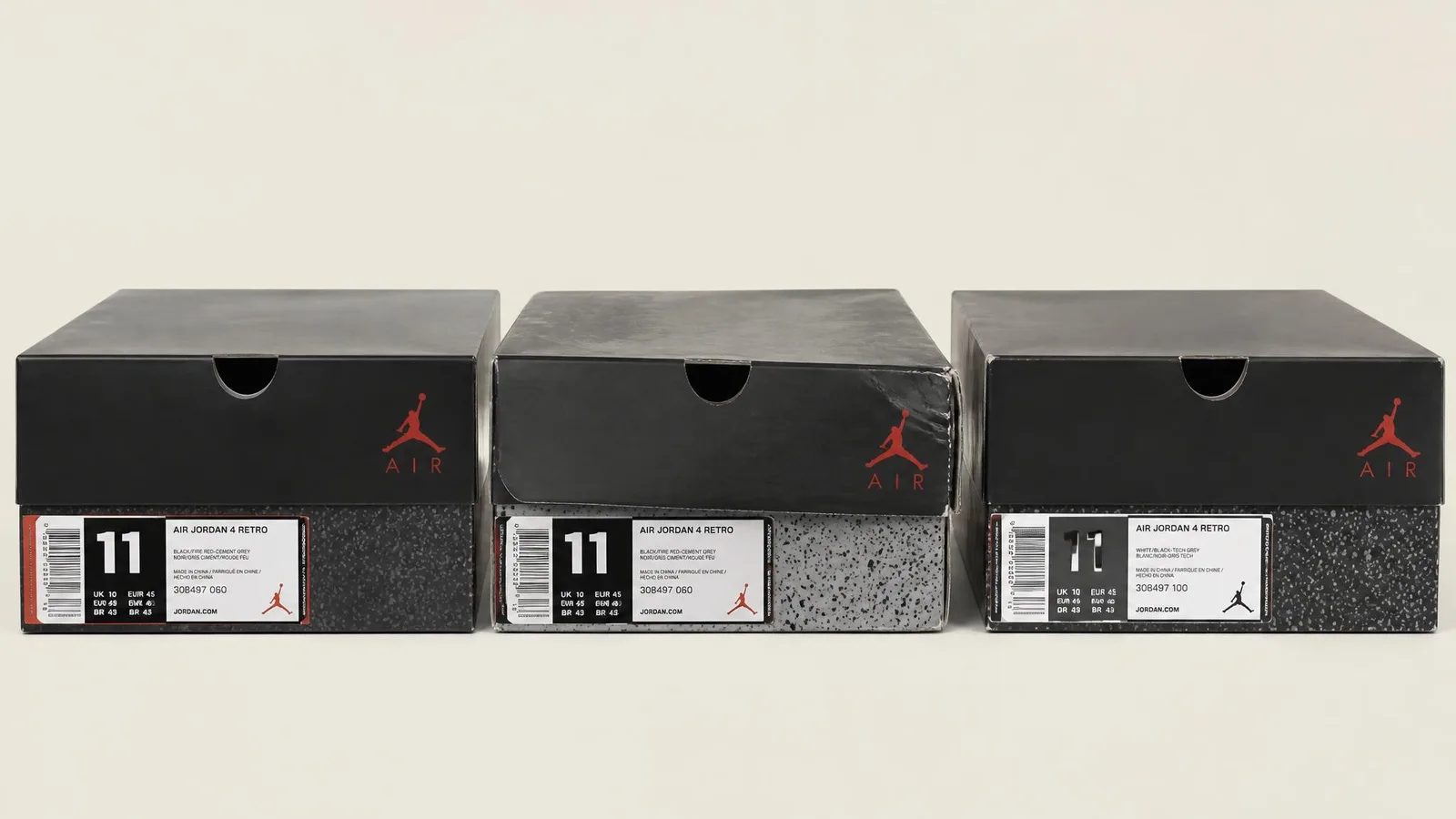
An original, undamaged box in good condition is the baseline for dead stock presentation. On high-heat pairs, buyers expect it. Listings without one sit in a different filtering category.
A damaged original box tells a different story. A crushed lid, water stains, or heavy shelf wear can signal poor storage to a buyer, and that raises questions about how the shoe itself was kept. Knowing how to grade sneaker condition gives you a consistent framework for communicating that to buyers. In some cases, a clean "no box" disclosure reads better than presenting a box that suggests neglect. The damaged sneaker box resale impact depends on severity: light shelf wear is normal, but structural damage or moisture damage shifts buyer perception.
Replacement boxes are where sellers get into trouble. Whether it is an aftermarket box bought online or a box borrowed from another pair, experienced buyers identify the mismatch immediately. The style code on the label does not match the pair inside. The colourway text is wrong. The size sticker belongs to a different shoe. On premium listings, a replacement box vs original box comparison is not close. A replacement does not bridge the gap, and it can actively introduce authenticity concerns. The practical rule: if your original box is intact, keep it and photograph it. If it is heavily damaged, weigh whether "no box" is a cleaner disclosure. Never present a replacement box as original.
Laces, Tags and Secondary Packaging
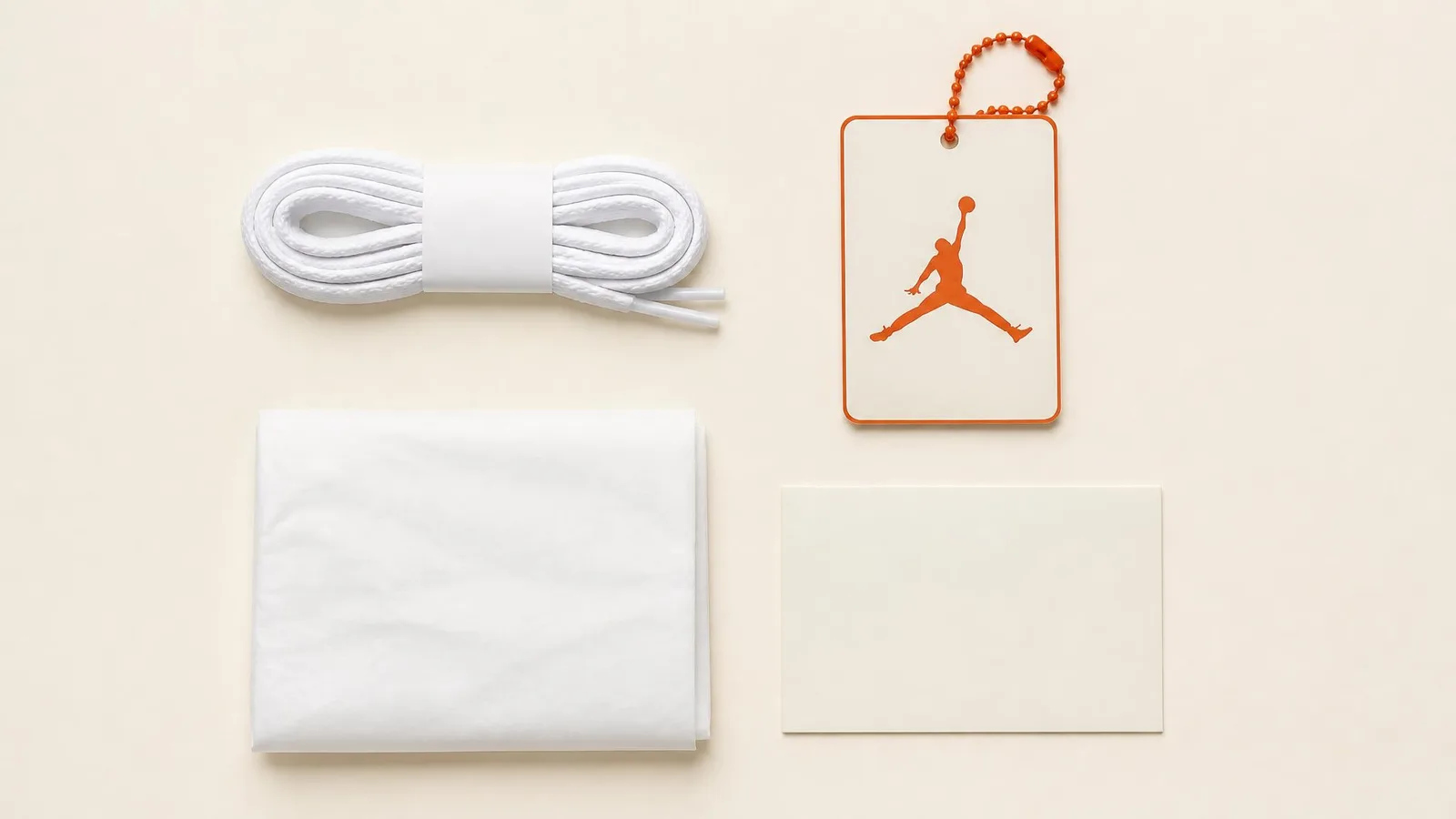
Extra laces, hang tags, tissue paper, and secondary inserts are part of the dead stock presentation on premium resale listings. Their absence gets noted in listing descriptions on platforms where buyers compare pairs side by side. But how much sneaker accessories affect resale value depends on the model.
For general release pairs, missing laces or tissue rarely move the sale price. Buyers are not filtering for tissue paper on a pair that is still sitting in stores. For pairs that shipped with branded extras or alternate lace sets in specific colourways, the story changes. Buyers of those models know exactly what should be in the box, and listings reflect what is present or missing.
Replacement laces bought to fill a gap are not the same as original alternate laces that shipped with the pair. Buyers on premium listings can tell the difference, particularly when the replacement does not match the colourway or material of the originals. The practical question for any pair you own: what did it originally ship with? If you are not certain, check the original retail listing, the brand's release notes, or a trusted reference database. Document what you actually have, not what the pair should have.
Collaboration Accessories and Special Packaging
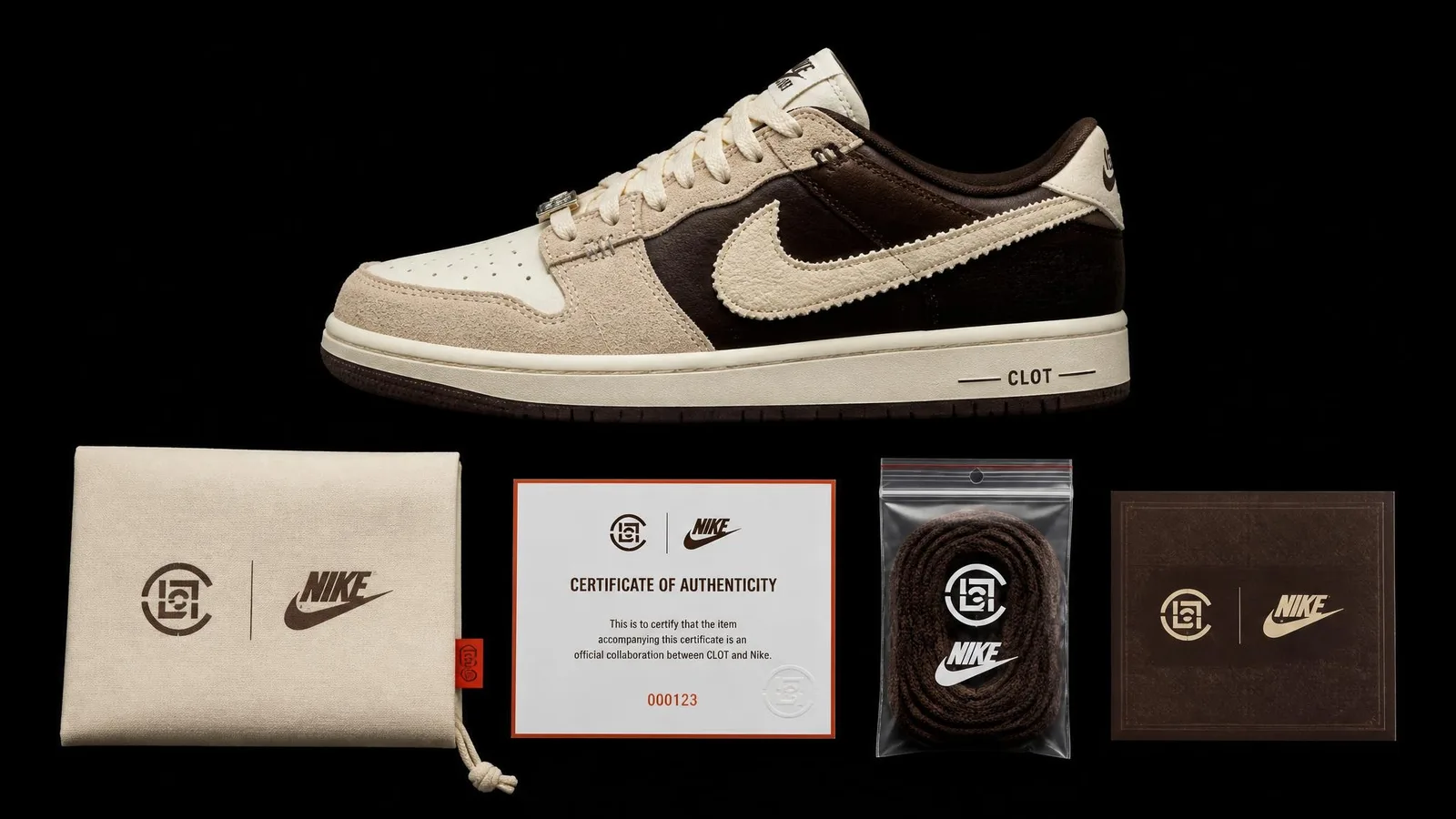
Collaboration releases carry the highest stakes for completeness. Releases from partnerships like Nike and Off-White, Nike and Travis Scott, or Adidas and Yeezy have included model-specific accessories that buyers explicitly track: dust bags, hang tags, certificates of authenticity, co-branded packaging inserts, and alternate lace sets in colourways specific to the collaboration. Collab sneaker accessories resale value reflects this. Each of those extras was part of the original retail product, and buyers of those pairs know exactly what should be present.
For collab pairs, completeness is not binary. A pair with the shoes and box but missing the dust bag or certificate sits in a different category from a fully complete set. Listings describe each component separately. Buyers price accordingly.
Because the impact varies by release, the only way to understand what completeness means for your specific collab pair is to check sold listings on resale marketplaces for that exact model. A sneaker resale value calculator can help you benchmark where a complete set sits versus an incomplete one. Compare fully complete sets against incomplete ones. The gap will tell you what buyers are paying for, and it will be specific to that release, not a figure you can carry across to a different collaboration.
How to Document What You Actually Have
Document completeness at the point of acquisition, not when you are preparing to sell. Discovering a missing component after the return window closes, or when a buyer flags it, is a more expensive problem than noting it on day 1.
A complete sneaker completeness checklist documentation entry for any pair should capture:
- Box status: original intact, original damaged, replacement, or none
- Lace status: original laces present, alternate extras included, or missing
- Hang tags and secondary inserts: present or absent
- Collaboration-specific accessories: dust bags, certificates, co-branded inserts, and any other extras relevant to that model
Photograph what you have. A photo of the box label showing the style code, size, and colourway alongside the pair itself is the clearest evidence of completeness. It is also the most useful record if the pair is later insured, sold, or disputed.
Collectors and resellers actively seek tools that log style code, size, and condition alongside market value in a single record, a pattern icollecteverything.com's 2026 collector app survey noted. Condition documentation is part of the valuation workflow, not a separate administrative task.
CYKI lets you record the box and accessories with each pair, whether you add pairs manually or use a migration feature later. Start with the 7 things to record for every pair to build the habit. When you want to understand how completeness feeds into estimated value, see how CYKI calculates rack value. Rack value is always an estimate based on resale marketplace data, not an exact figure.
Frequently Asked Questions
Does a missing box affect sneaker resale price?
It depends on the model. For limited, high-heat releases where dead stock presentation is part of the appeal, a missing box reduces buyer confidence and often lowers comparable sale prices. For widely available general release models, buyers rarely filter for box presence and the impact is negligible.
Is a replacement sneaker box as good as the original?
No. Experienced buyers identify replacement boxes immediately because the style code, size label, and colourway text on the box do not match the pair inside. On premium listings, a replacement box does not substitute for an original and can introduce authenticity concerns.
Do missing laces lower sneaker value?
For general release pairs, rarely. For collaboration releases or pairs that shipped with alternate colourway laces as part of the original product, missing extras are noted in listings and can affect what comparable pairs sell for.
What counts as a complete pair for sneaker resale?
Completeness depends on what the pair originally shipped with. At minimum, complete means original box in good condition, original laces, and any hang tags or inserts included at retail. For collaboration releases, it also means model-specific extras such as dust bags, certificates, or co-branded inserts.
What is the impact of a damaged sneaker box on resale?
A heavily crushed or water-damaged box can signal poor storage to buyers and raise concerns about the shoe itself. In some cases, disclosing "no box" is a cleaner listing than presenting a visibly damaged one. An intact original box in reasonable condition is always worth keeping.