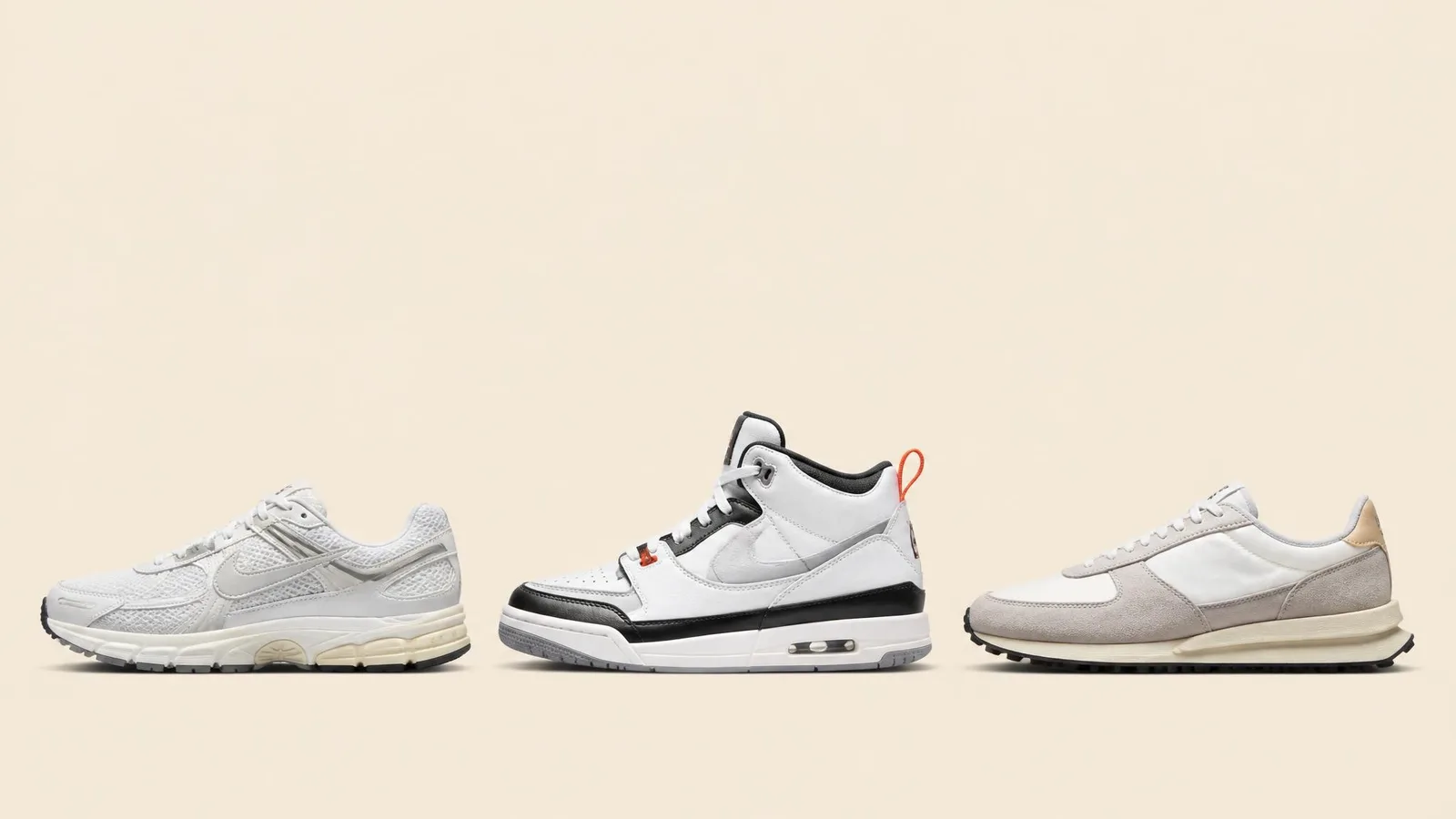
Every sneaker drop gets called "limited" somewhere. The problem: brands do not publish production numbers, so the label alone tells you nothing. Understanding general release vs. quickstrike sneakers, and every tier between them, requires reading external signals, not marketing copy. Sneaker release tiers explained in short: general release, quickstrike, limited/hyperstrike, regional exclusive, and friends-and-family represent 5 distinct supply levels, each inferred from retailer lists, release channels, and resale depth. This piece breaks down what those signals are, why scarcity tier is not a value tier, and how recording the right tier on your pair helps you read its rack value estimate with the confidence it deserves.
The Five Scarcity Tiers and What Each Label Actually Means

General release (GR) is the baseline. These pairs are produced in large quantities and stocked at most major retailers, from boutiques to big-box chains. Heritage Auctions' sneaker glossary treats GR as the reference point against which every other tier is measured. A GR is not a lesser pair. It is one where supply was sized to meet broad demand.
Quickstrike (QS) narrows the retailer list. Instead of the full GR network, a QS goes to a smaller, curated selection of boutique accounts. That narrower distribution is the primary signal collectors use to infer its relative scarcity. Some QS releases carry a physical "QS" print on the shoebox, one of the few tangible identification tools you can check after purchase. What quickstrike means in sneakers is simple: fewer doors, not zero doors.
Limited and hyperstrike sit above QS in restriction. "Limited" is used loosely across marketing, but in practice it describes releases with a significantly shorter retailer list than a QS, often a handful of doors globally. Hyperstrike is sometimes used interchangeably with tier zero. A 2014 Shelflife piece confirmed that Nike's tier system, covering GR, limited GR, quickstrike, and hyperstrike, has been formally recognized in the collector community for over a decade. That history matters: these are not new labels, and what limited edition means for a sneaker release has been debated for just as long.
Regional exclusive is a GR or QS allocation restricted to a specific geography. A pair that was widely available in 1 city may be genuinely scarce everywhere else. The scarcity is relative to your location, not universal.
Friends-and-family (F&F) pairs are production-quality shoes made in very small quantities and gifted to brand insiders. They are not sold at retail. They surface on resale only when a recipient chooses to sell, which means they carry almost no sales history and are the hardest tier to value reliably.
Tier zero is the most restricted classification in Nike's internal distribution hierarchy, allocated to a handful of accounts globally, sometimes fewer than 10 retail doors. Collector community discussion on Supertalk Superfuture has documented that tier zero and hyperstrike releases never carry officially stated production numbers. That reinforces the principle organizing this entire piece: every tier label is a market convention, not brand-published data.
The word "limited" spans all of these tiers in marketing copy. On its own, it tells you very little.
How to Identify a Sneaker's Release Type When Brands Won't Tell You
Brands will not confirm which tier your pair belongs to. You infer it. Here are the signals that matter, roughly equal in weight, and best used together:
-
Retailer list size and composition. The number of accounts that carried the release, and whether those accounts were mass-market chains or curated boutiques, is the strongest pre-release signal. A drop that appeared at 200 doors globally reads very differently from 1 that went to 8. Tracking these patterns over time is exactly what a sneaker release calendar is designed to help with.
-
Release channel. Open web raffle, app-exclusive draw, boutique-only in-store, or SNKRS-regional all imply different supply levels. An app-exclusive regional drop infers a much tighter supply than an open raffle across all markets.
-
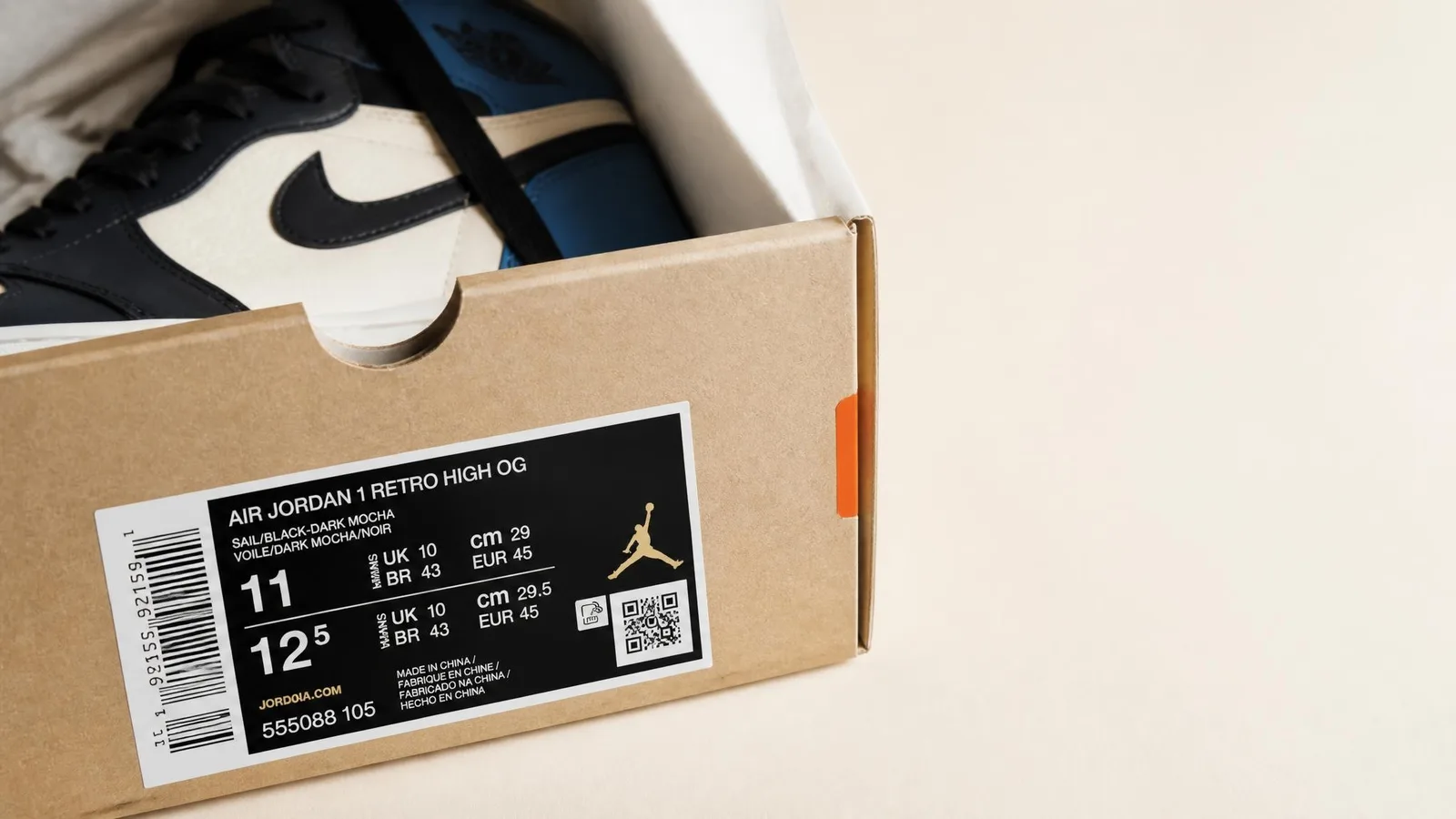
The QS box label. Some quickstrike releases carry a "QS" print directly on the shoebox. If your box has it, that is 1 of the few physical signals available. If the label is absent, that does not confirm GR status. Many QS pairs were not labeled consistently.
-
Post-release resale depth. The number of active and completed listings across resale platforms at your size is 1 of the most reliable post-release proxies for actual market supply. A pair with hundreds of listings at every half-size is behaving like a GR regardless of what the marketing said. A pair with 3 listings at your size is behaving like something scarcer. Thin listing volume also affects how much data exists to anchor a valuation, a relationship explored in detail in what thin sales data means for your sneaker's valuation.
-
Sellout speed is not a reliable signal on its own. Rapid sellout can reflect hype, a bot-driven checkout event, a small initial allocation to 1 retailer, or genuinely limited supply. Do not use sellout speed alone to assign a tier.
No single signal is definitive. Each is an inference, and stacking them gives you a working picture.
Scarcity Tier Is Not a Value Tier
Scarcity tier describes the supply side of the equation. It says nothing about demand. A tier zero release with no cultural heat can trade below retail. A general release on a silhouette with enduring demand can sustain a resale premium for years.
A QS trading near retail is not evidence that supply increased. It is more likely evidence that demand faded. The tier has not changed; the market has.
A GR that sells at or below retail is not a failure. It reflects adequate supply meeting demand, which is exactly how a general release is supposed to work. Do not interpret retail-level resale as a negative signal.
The word "limited" in a release announcement is marketing language. The actual scarcity signal is the retailer list, the release channel, and the resale depth after the drop. Not the label a brand chose for its campaign. When you compare QS vs. limited sneakers, you are comparing inferred supply levels, not guaranteed price floors. Understanding that distinction is at the heart of the sneaker collector vs. sneaker reseller mindset: how you read scarcity signals shapes every hold, wear, or sell decision you make.
Why Tier Affects How Reliable Your Rack Value Estimate Is
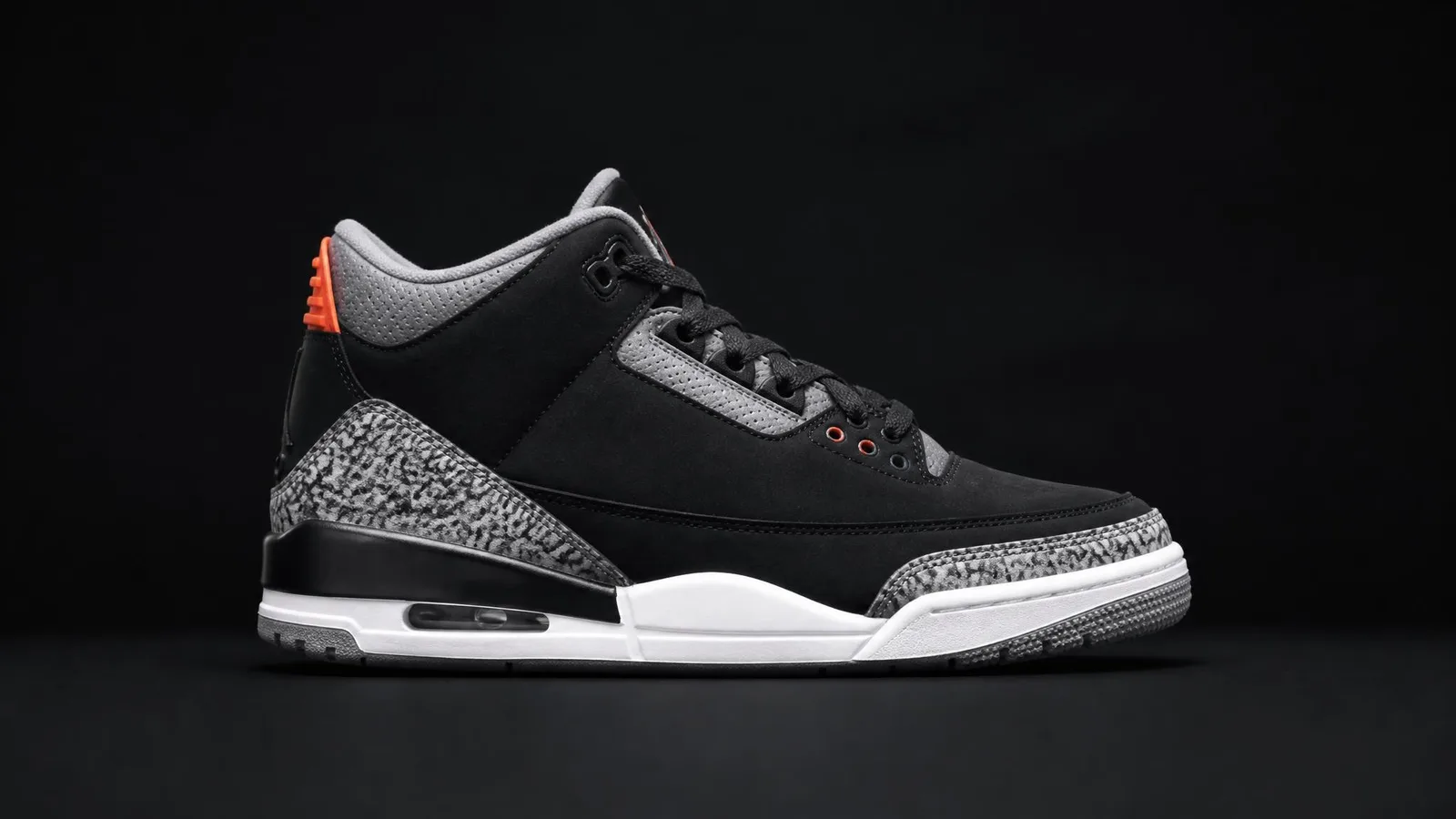
Rack value estimates are built from resale marketplace data, specifically completed sales. The more completed sales at your size in a recent window, the more reliable the estimate.
A friends-and-family pair or a tier zero release generates very few completed sales by definition. That thin data produces a wider range of uncertainty around any estimate. The methodology is not wrong; the market has simply given it less to work with.
Regional exclusives create a similar problem. The pair may have had deep sales data in its home market but almost none outside it. If your size rarely surfaces in a market where the pair was not released, the estimate reflects that scarcity of data as much as it reflects scarcity of the pair.
Recording the scarcity tier alongside each pair helps you interpret that reliability signal. A GR with 500 recent sales at your size warrants more confidence than a QS with 4. Understanding how to build a defensible estimate of your collection's worth starts with knowing which pairs have deep data behind them and which do not. For the full breakdown of how estimates are built, see the CYKI methodology.
Recording Release Tier on Your Pair Record
When you add a pair to your rack, recording the release tier alongside your purchase price and condition turns a static catalog entry into a more useful data point. The tier tells you how to read that pair's valuation signal going forward. For a full breakdown of all the fields worth capturing, see what to record on each pair in your rack.
If you are not certain of the tier, record your best inference and note what you based it on: the retailer list you saw at drop, the release channel, or the resale depth you observed in the weeks after launch. Whether you add pairs manually or use a migration feature later, the tier field is yours to fill. An approximate tier is more useful than a blank field.
The tier matters most when you are looking at a rack value estimate for a pair with thin resale data. Knowing that a pair is a regional exclusive or an F&F pair contextualizes a wide estimate range. It is not a limitation in your data. It is an accurate reflection of how the market sees that pair.
Record the release tier with each pair in your rack.

Frequently Asked Questions
Does a limited edition sneaker always mean it is more valuable? No. Limited describes relative supply restriction, not demand. A pair can be genuinely scarce and trade at or below retail if demand is low. Value comes from the intersection of scarcity and desire. The tier alone cannot predict it.
How can I tell if my sneaker is a limited release? Check the retailer list at launch, the release channel, and the current resale depth at your size. These 3 signals together give you a working inference. No brand publishes production numbers, so inference is all anyone has.
What is the difference between quickstrike and hyperstrike sneakers? Quickstrike releases go to a curated but still meaningful list of boutique accounts. Hyperstrike and tier zero releases go to a handful of doors globally, sometimes fewer than 10. Both tiers are inferred from retailer lists and release channels, not from brand-published data.
What are friends-and-family sneakers and how do they end up on resale? F&F pairs are production-quality shoes made in small quantities for brand insiders. They are not sold at retail. They reach resale only when a recipient chooses to sell, which means they carry almost no sales history.
Can a general release become scarce over time? Yes. A GR that was discontinued or produced in a colorway that later gained cultural relevance can develop genuine secondary-market scarcity. The original tier describes supply at launch. What happens to that supply over time is a separate question.