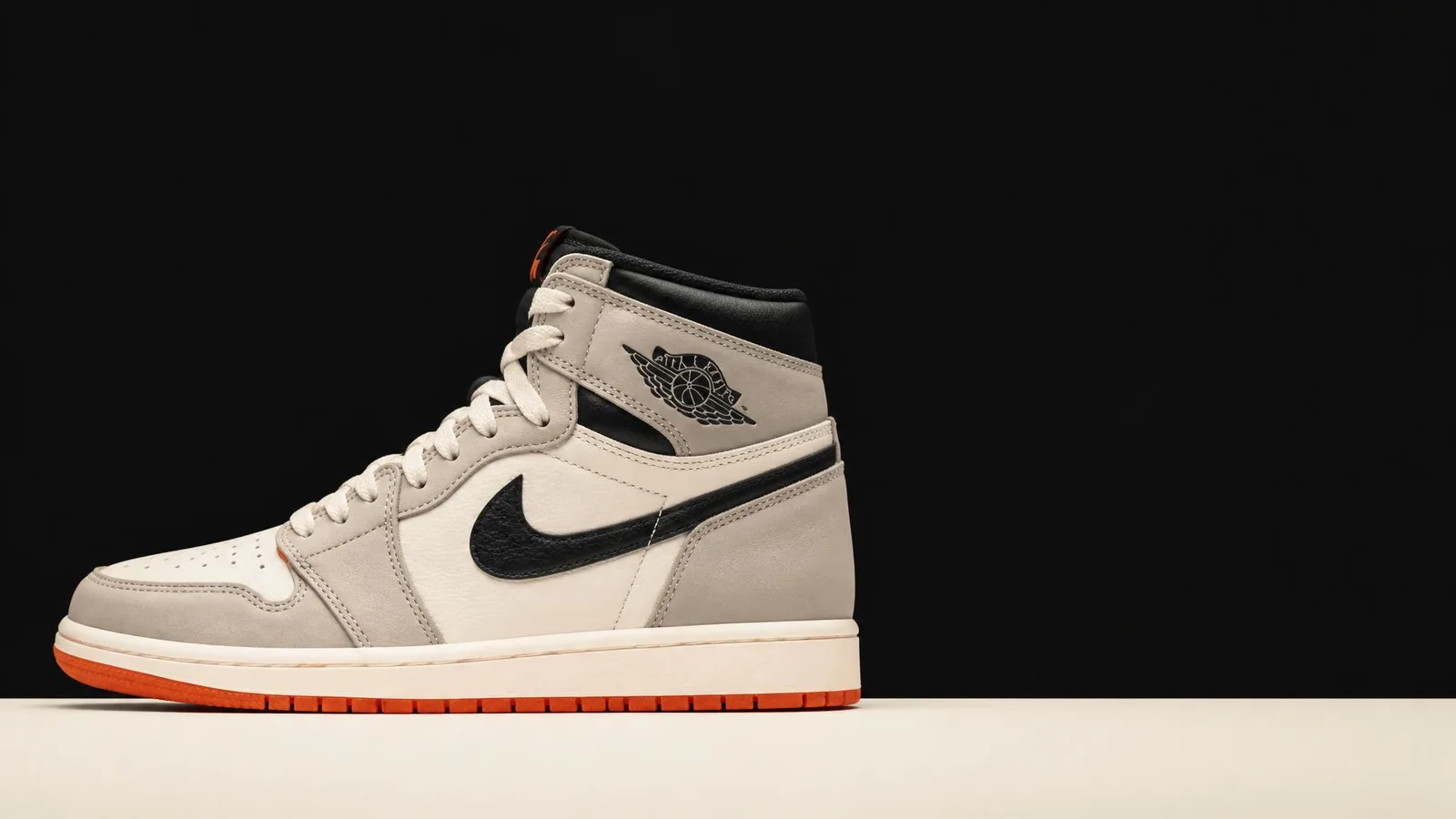
Your sneaker's estimated value has not moved in weeks, or a rare pair shows a number that does not feel right. Perhaps your size barely trades on any platform. This is what thin sales data looks like in sneaker pricing, and it is more common than many collectors realise.
Thin data does not make an estimate useless. It makes the estimate less precise. CYKI uses size-specific sales when they are available and broader marketplace signals when they are not. In a market with no recent sales at all, it may show $0 with a "no recent sales" label rather than present unsupported precision.
This article explains how transaction count, recency and fallback values affect the way you should interpret an estimate.
Read the method behind your pair's estimate.
Sneaker Resale Liquidity in Plain Terms
Liquidity means how often a specific pair actually sells. A high-liquidity sneaker trades frequently and generates fresh pricing data with every transaction. A low-liquidity pair might see a handful of sales across an entire year.
The model alone does not determine liquidity. The same silhouette can be high-liquidity in a common size and nearly invisible in a less common one. A Jordan 1 in size 10 might sell dozens of times a month on resale marketplaces. That same Jordan 1 in size 14 might have recorded 2 or 3 sales in the past 6 months.
Low liquidity does not mean a pair is less desirable or less valuable. It means the pool of data available to estimate its value is shallower, and that affects how confident any pricing model can be in the number it produces.
Market-wide trading activity can hide thin liquidity at the individual-pair level. Even when the broader sneaker market is active, a particular combination of model, colourway and size may generate very few comparable sales. Overall market size therefore tells you little about the strength of the evidence behind your pair's estimate.
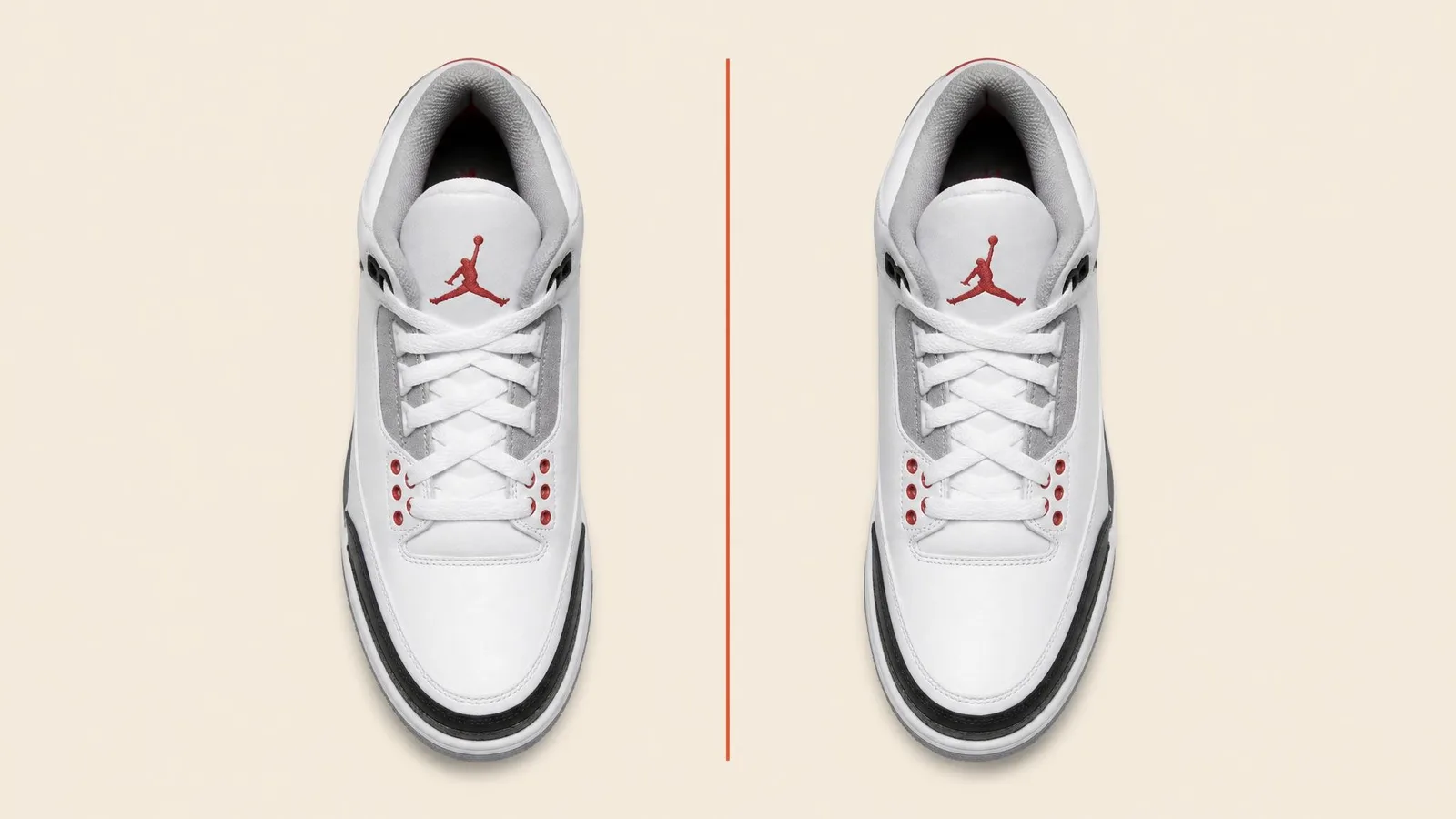
Why Size Changes Everything About Liquidity
Your specific size is one of the biggest variables in how much data backs your estimate. Two collectors can own the exact same shoe and see very different levels of pricing confidence simply because one wears a common size and the other does not.
A popular model in a mid-range size may sell dozens of times a month across resale platforms. The same model in a less common size may have traded a handful of times in the past year. Both are technically the same sneaker. They live in completely different data environments. The estimate for the common size rests on many recent transactions. The estimate for the uncommon size rests on far fewer, and each individual sale carries more weight in the calculation.
Size-specific demand is real and separate from data sparseness. Some sizes command premiums because demand outstrips supply at that end of the run. Others are harder to move regardless of how sought-after the model is. A rare size sneaker resale value can be high, low, or anywhere in between. The point is that fewer transactions exist to pin it down.
If your size is uncommon, expect the estimate for your pair to carry less data behind it. That is not a flaw in the valuation. It is an honest reflection of how the resale market distributes its activity.
How Recency Affects Confidence in a Sneaker Price Estimate
A sale from 18 months ago is generally weaker evidence of current value than one from last week. Market conditions can change after restocks, production changes, new collaborations or cultural events. For example, Axios reported that more than 100 popular StockX releases produced an average price return of negative 7% in 2022. Older transactions remain useful context, but they may no longer represent current demand. Older sales may simply no longer reflect current demand.
When no recent sales exist for your specific size and model, any estimate is working from older evidence. The number shown is still derived from real transaction data. But the confidence in its current accuracy is lower because the market may have moved since those transactions closed.
A static price in your rack does not mean the market has confirmed stability. It most often means no new verified sales have arrived to update the estimate. The market may have moved up, down, or sideways without generating enough transaction data in your size to trigger a refresh.
How Transaction Count and Recency Work Together
Recency and transaction count work together. A pair with 3 sales from last month is in a stronger data position than a pair with 10 sales spread across 2 years. The recent cluster tells you something about where the market is right now. The older spread tells you where it has been, which is useful context but not a confident current reading.
When data for an individual pair is thin, broader market signals can provide context. The CYKI 100 tracks movement across 100 sneakers and shows how its represented categories are moving. It is not a substitute for comparable sales in your size, however, and its track record is still young. Treat it as an additional signal rather than direct evidence of what your pair will sell for.
What a Fallback Value Actually Means
A fallback value appears when direct comparable sales for your specific size and model are too sparse to anchor a confident estimate. Rather than showing you a blank or leaving the pair unpriced, CYKI uses a wider reference point to produce a number.
CYKI's current methodology uses the following hierarchy:
- Exact-size sales: the median of the last five recorded sales for that size, or fewer when fewer sales are available.
- Exact-size asking price: if the size has not sold recently, the current lowest asking price for that size.
- All-size market average: if no asking price is available for the size, the product's average market price across all sizes.
There is one exception. If the shoe has not sold in any size for 60 days, CYKI displays $0 with a "no recent sales" label until another sale occurs. That does not mean the shoe is worthless; it means the available market evidence does not support a current valuation.
These inputs are not equivalent. A completed sale records what a buyer paid. An asking price records what a seller wants. An all-size average is broader and may not reflect demand for your particular size. Every input comes from marketplace data, but not every input is a completed transaction.
Read the full CYKI methodology. When the reference is broader, the number is less specific to your exact pair.
A fallback is honest data practice. It tells you directly that the estimate rests on a wider reference rather than a tight set of direct comparables. That transparency is intentional. Hiding the gap or smoothing the number to look more precise than the data supports would be worse.
Knowing an estimate is a fallback changes how you should use it. Treat it as a useful orientation, not a precise market reading. Your rack value is always an estimate based on resale marketplace data, and a fallback simply means the data underpinning that estimate is broader than usual.
One misconception worth addressing directly: rarity does not increase pricing confidence. Collectors sometimes assume that because a pair is hard to find, its value must be well established. The opposite is true for data purposes. When you are trying to figure out how to value rare sneakers, fewer transactions mean less evidence. A pair can be highly desirable and still carry a low-confidence estimate because almost nobody has sold one recently.

How to Read a Price Estimate When the Data Is Sparse
Use a sparse-data estimate as a directional signal, not a precise market price. It tells you roughly where the pair sits relative to retail and relative to high-volume comparables. It does not tell you what the next buyer will actually pay.
Do not infer too much from an unchanged estimate. It may mean that no new relevant sale has arrived, but a new transaction can also leave a multi-sale median unchanged. Marketplace data may also be incomplete or delayed. Treat a static figure as CYKI's latest supported estimate, not proof that the market itself has been flat. Either way, the static figure reflects the last available evidence, not a confirmed current value.
Consider the broader market context. If the CYKI 100 is trending down across a category, that signal is relevant to your pair even when your specific size has few recent comps. Broad market shifts tend to affect individual pairs eventually, even if low-volume listings lag behind.
Do not treat an asking price as equivalent to a completed-sale price. CYKI may use the current lowest ask as a fallback when an exact-size sale is unavailable, but that value should be read less confidently than one supported by several completed sales. Fees, timing, data coverage and calculation methods can also produce different figures across platforms; see why trading apps show different prices.
The right question for a sparse-data pair is not "is this estimate accurate to the dollar." It is: does this estimate give me enough information to decide whether to hold, wear, or consider selling?
Frequently Asked Questions
What does it mean when a sneaker has no recent sales data?
CYKI distinguishes between a lack of recent sales for your size and a lack of sales for the entire model. If size-specific sales are unavailable, the estimate may use the lowest ask for that size or the product's average across all sizes. If the shoe has not sold in any size for 60 days, CYKI displays $0 with a "no recent sales" label until another sale occurs.
Why hasn't my sneaker price changed in months?
A static price usually means no new verified sales have arrived to update the estimate. It does not mean the market has confirmed that price as stable. The actual market value may have shifted in either direction without generating enough transaction data in your size to trigger an update.
How many sales does a sneaker need for an accurate price estimate?
CYKI's current method uses the median of up to the last five recorded sales for the exact size. It can calculate a value from fewer sales, but an estimate supported by only one or two transactions is more exposed to unusual sale prices. Transaction count, recency and the source of the value should therefore be considered together.
What is a fallback sneaker valuation?
It is an estimate based on a broader reference point rather than a direct comparable sale for your exact size and model. It appears when specific transaction data is too sparse to anchor a confident estimate on its own. A fallback is transparent data practice, not a system error or an admission that the value is unknown.
Does rarity make a sneaker price estimate less reliable?
Often, yes. Rarity means fewer transactions, and fewer transactions mean less data to build a confident estimate. A rare pair may be highly desirable, but low sales volume produces a lower-confidence estimate regardless of how sought-after the shoe is.
Conclusion
Thin data does not make an estimate useless. It tells you how much precision the available evidence can support. A median of size-specific sales, a lowest asking price, an all-size average and a $0 "no recent sales" result are different signals and should not be treated as equally certain.
Use the estimate as a decision aid rather than a guaranteed sale price. Consider its basis, the age and number of relevant transactions, and the wider market context. Understanding what is a sneaker portfolio can also help you interpret an individual estimate as part of your collection rather than in isolation.