
The sneaker release calendar is a market-intelligence tool, not a shopping list. Most collectors scroll through upcoming drops deciding what to buy next. The smarter move is reading each entry for what it signals about pairs already sitting in your rack.
A sneaker release calendar tells you more than drop dates. The size of a release, how fast it sells out, and where it is sold all shape the resale premium that follows. For collectors, an upcoming drop is also a signal about what pairs you already own might be worth. Here is how the mechanism works.
Every new release carries information about supply, brand intent, and where collector attention will shift. If you own enough pairs that you have lost track of what you paid or what the collection is currently worth, that information matters. This article breaks down the mechanics connecting drop size, sell-out speed, and distribution channel to the sneaker resale premium that follows, and what those mechanics mean for your rack.
What the Sneaker Release Calendar Is Really Telling You
A release calendar entry gives you the date, the silhouette, and the retail price. What it does not spell out is the pair count, the distribution channel, or the hype context. Those 3 variables are what determine the resale story.
Pair count is the supply side. A SNKRS-exclusive Jordan 1 with a small allocation behaves completely differently on the secondary market than a Dunk dropped across hundreds of retail doors. The first restricts how many pairs reach the resale market. The second floods it.
Distribution channel matters because it controls who can buy at retail and how hard it is to secure a pair. The harder the cop, the stronger the initial sneaker resale premium tends to be. A SNKRS draw limits purchases to 1 pair per account. A general retail launch does not.
Hype and cultural context sit on the demand side. A colourway tied to a cultural moment or a high-profile collaborator pulls more buyers into the secondary market when retail sells out. Collaborations in particular anchor demand to something beyond nostalgia, which is why 2 Jordan 1 colourways released a week apart can produce completely different resale outcomes.
Reading the calendar through these 3 lenses gives you a working hypothesis about how sneaker drops affect prices before the pair even lands.
How Sell-Out Speed Shapes the Resale Premium
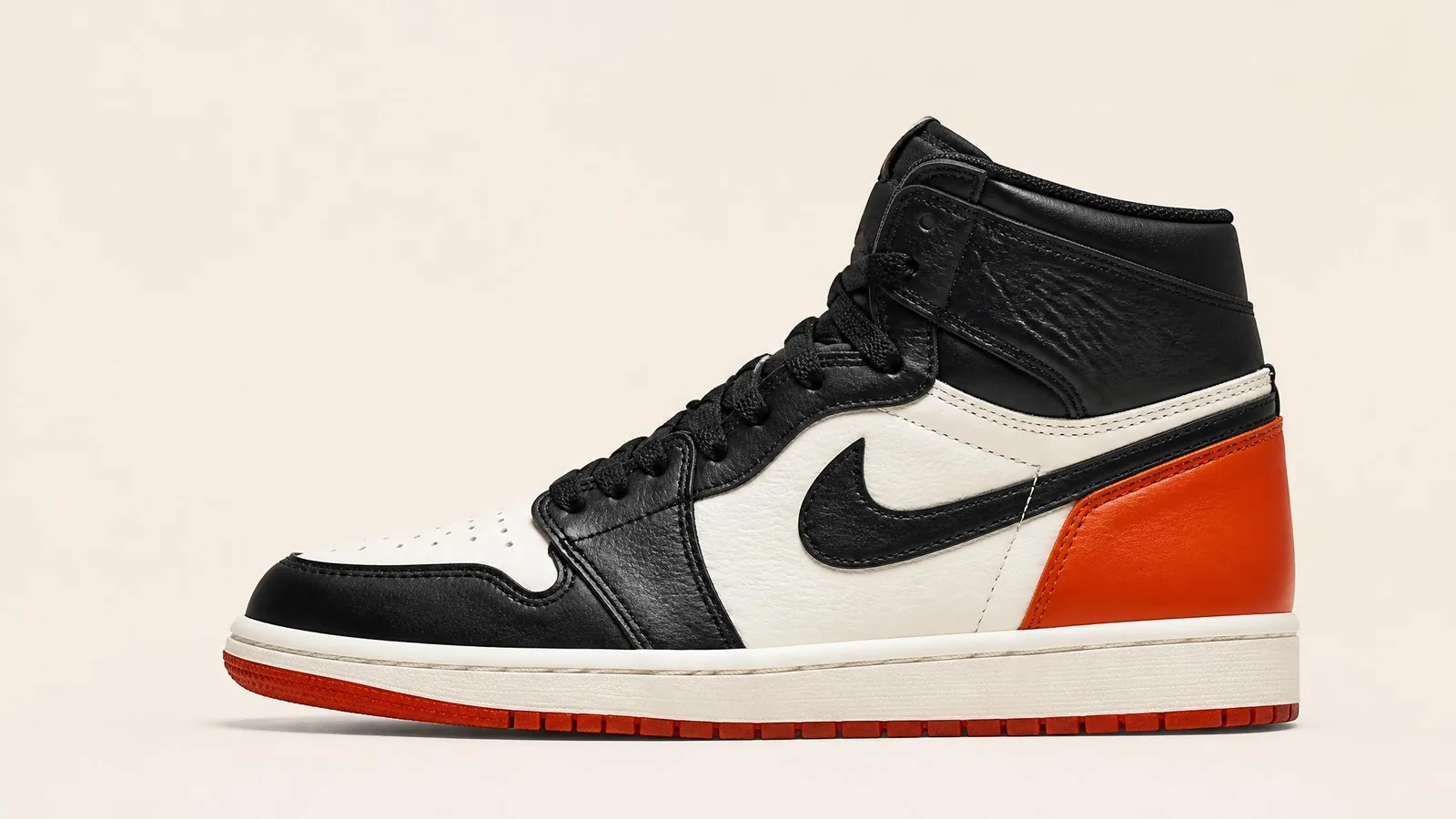
Sell-out speed is a demand signal, but it only tells part of the story. A wide-release Dunk that sells out across every retail door in a week sold out because millions of buyers wanted it, not because supply was scarce. The sneaker market price after drop reflects that distinction.
The resale premium depends on the ratio of demand to supply. A pair that sells out in 2 minutes on SNKRS with 50,000 pairs available is categorically different from one that sells out in 2 minutes with 5,000 pairs. Both sold out fast. Only 1 will command a meaningful premium.
Fast sell-outs on genuinely limited releases tend to produce an immediate resale spike in the first 48 to 72 hours. This window is typically when the premium peaks, before multiple sellers enter the secondary market and prices normalise.
There is a common misconception worth naming: the belief that any sneaker selling out quickly will hold a strong resale premium long-term. Sell-out speed signals initial demand. Resale premiums decay at different rates depending on pair count, restock likelihood, and cultural relevance. A fast sell-out on a wide-release colourway often produces only a modest, short-lived bump.
For collectors tracking their rack, sell-out speed on a new drop in a silhouette they own is a short-term sentiment indicator. Your rack value, which is always an estimate based on resale marketplace data, may shift briefly in response. It is not a long-term valuation anchor.
Release Size and Channel: Why They Set the Premium Ceiling
Release size is the single biggest determinant of how high a limited sneaker release resale premium can climb. The secondary market can only absorb so much supply before prices compress toward retail.
Distribution channel controls who has access at retail, which directly affects how many pairs reach the secondary market from sellers who secured multiples. A SNKRS draw limits purchase to 1 pair per account. A general retail launch does not impose that constraint, meaning more pairs flow to resale platforms from day 1.
SNKRS-exclusive drops with small allocations consistently produce higher initial premiums than the same silhouette released widely. The scarcity is structural. It is built into the distribution model, not just perceived from hype.
Wide-release retros tell a different story. Jordan 1s and Dunks released across multiple retail channels often see resale premiums compress to near-retail or below within weeks of launch. Supply meets demand across the secondary market, and the premium ceiling drops accordingly. This is also why prices vary across resale platforms at any given moment: different platforms absorb different slices of that supply.
For collectors, identifying whether an upcoming drop in a silhouette they own is wide or limited tells them something specific. Renewed category attention from a hyped limited release can briefly lift the estimated value of related dead stock pairs in their rack. Increased supply from a wide release can push prices down. The calendar entry alone does not tell you which scenario is more likely. The distribution channel and pair count do.
Collaborations Versus Retros: Which Holds Value Longer

Collaborations between brands and cultural figures or designers consistently produce higher and more durable resale premiums than standard retro releases of the same silhouette. The reason is structural: demand for a collaboration is anchored to cultural relevance, not just nostalgia for a colourway.
The strength of that premium depends on the collaborator's cultural relevance at the time the pair actually hits the secondary market. Announcement-day hype fades. If the collaborator's moment has passed by the time pairs are trading hands, demand will not sustain the price.
Standard retro colourways face faster premium decay because they lack that cultural specificity. A Jordan 1 retro competes with every other Jordan 1 retro on the secondary market. A collaboration colourway stands alone. That concentration of demand into a single pair is what creates durability.
But the idea that collaborations always outperform retros is a misconception worth addressing directly. Many collaborations that generate strong pre-release hype fail to sustain their premium once pairs reach the secondary market at scale. The grails that hold value for years are the exception, not the rule.
For collectors, a collaboration drop in a silhouette family you already own is worth monitoring on 2 levels. It may be a buying opportunity. It is also a signal of renewed cultural attention that can briefly lift the estimated rack value of nearby pairs in your collection, whether you are holding or planning to sell.
How New Drops Move the Value of Pairs You Already Own
A new release in a popular silhouette family can suppress resale prices for existing colourways already on the secondary market. Collector attention and spending shift to the new drop, reducing demand for what is already listed. This is the sneaker drop resale value dynamic that most release calendars never explain.
The suppression effect is strongest when the new drop shares the same silhouette and a similar colourway to pairs already in your rack. A new Jordan 1 colourway releasing puts downward pressure on other Jordan 1 colourways in the resale market. Buyers have a finite budget, and the new pair absorbs spending that might have gone to your listing.
The inverse is possible too. A high-profile drop in a silhouette category can renew broader collector interest in that family, briefly lifting the estimated value of related pairs you own as attention returns to the category. The direction of the effect depends on whether the new release adds supply to a saturated market or reignites demand in a quiet one.
Restocks are the most dramatic version. When a brand widens distribution of a previously limited pair, resale prices for that pair typically fall sharply, sometimes within hours of the announcement. The scarcity that anchored the premium disappears.
Collectors who treat the release calendar as a signal about their existing rack can anticipate these movements rather than react after the fact. Knowing how a new drop affects your cost-basis P&L is the difference between tracking your collection and actually understanding it.
The Post-Drop Price Timeline
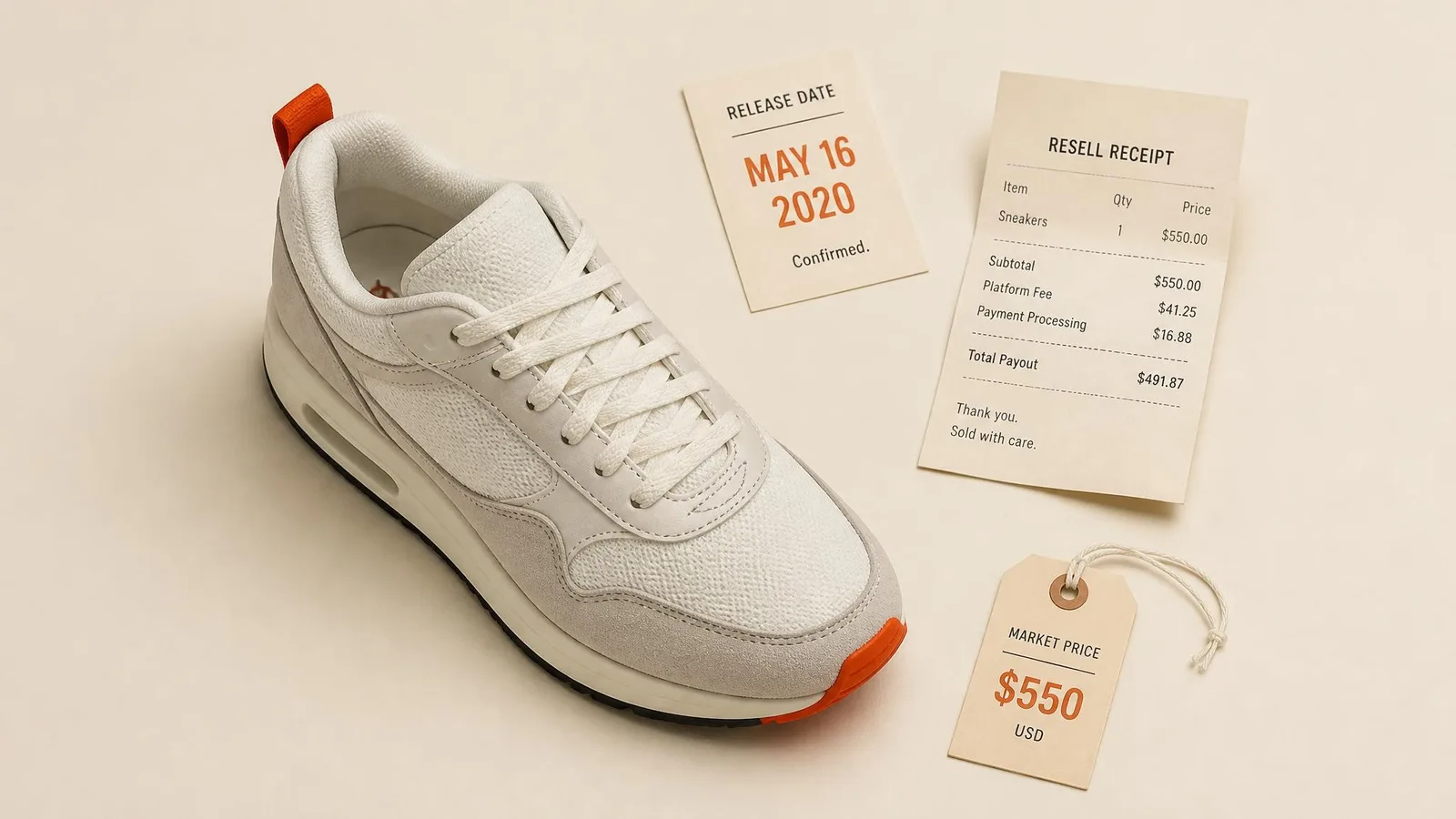
The first 48 to 72 hours after a sell-out are typically when the resale premium peaks. Supply on the secondary market is thin. Early sellers set aggressive asking prices. Buyer urgency is at its highest.
Over the following 2 weeks, prices normalise. More sellers list their pairs. The initial urgency fades. The secondary market absorbs supply from multiple sources, and the real market-clearing price tends to emerge. This normalisation window is where asking prices and actual completed-sale prices diverge most visibly, which is why prices vary across platforms at different points in the timeline.
By 3 to 6 months post-drop, the price curve for most releases has settled into 1 of 3 outcomes. Genuinely scarce or culturally durable pairs sustain a premium. Wide-release or overhyped pairs settle at near-retail pricing. Pairs where demand never matched the initial buzz trade below retail.
Retail price itself is not a reliable baseline for estimating resale value. Some pairs sell below retail on the secondary market. Others command multiples. The premium is determined by supply, demand, and cultural context, not the price a brand set.
For collectors, knowing which phase of the price timeline a pair in their rack is sitting in helps inform hold, wear, or sell decisions. A pair at peak premium 48 hours after a sell-out is in a fundamentally different position than the same pair 3 months later. Setting a watchlist and price alerts lets you monitor that trajectory with resale marketplace data rather than manually checking every platform.
When a Restock Resets the Price
When a brand restocks or widens distribution of a previously limited pair, the scarcity that anchored the resale premium disappears. Prices on the secondary market typically fall sharply, sometimes within hours of the announcement, not the actual restock.
Collectors holding a pair whose premium depends on scarcity face a direct impact to their estimated rack value. Rack value is always an estimate based on resale marketplace data, and a restock is 1 of the highest-volatility events that can shift that estimate overnight.
Release calendar signals that can indicate a restock is coming include: surprise shock-drop listings from a brand's official channels, widened retailer availability for a previously SNKRS-exclusive pair, and production of new colourways in a silhouette that was previously tightly controlled.
The Yeezy catalogue after the Adidas and Kanye West split is the clearest modern example. When Adidas moved to clear remaining Yeezy inventory by expanding availability, resale values across the Yeezys catalogue reset dramatically. Pairs that had traded at multiples of retail for years compressed as supply flooded the market.
Monitoring the release calendar for restock signals on pairs in your rack is as important as tracking new drops. A restock on a pair you hold can change your cost-basis P&L picture significantly. Setting price alerts helps you stay ahead of these shifts so you can get a current estimate of your collection value before the market moves under you.
Using the Release Calendar to Manage Your Collection

The release calendar is most useful when you read it against what you already own. Before a major drop, check whether any pairs in your rack sit in the same silhouette family. Consider what increased supply or renewed attention might do to their estimated value.
Asking prices on resale platforms are not the same as actual sale prices. Real completed-sale data from resale marketplace platforms gives a more accurate picture of where prices are moving. That distinction is what separates a collector who knows their rack value from 1 who is guessing based on optimistic listings.
Tracking your collection against the CYKI 100 gives you a benchmark for whether your rack is moving with the broader market or outperforming it. A release calendar alone cannot tell you that. A portfolio view built on daily-updated resale marketplace data can.
CYKI connects release-calendar awareness to that daily-updated data in a single portfolio view, treating your collection as a proper portfolio rather than a list of purchases. You can see how your rack's estimated value shifts as new drops land, how your cost-basis P&L changes, and whether your collection is beating the market or falling behind. The pricing methodology behind those estimates is transparent and published, so you know exactly how CYKI sources and updates its pricing data.
If you want to know how to track sneaker collection value after new releases without checking 4 platforms manually, that single view is where it starts.
Conclusion
A sneaker release calendar tells you what is dropping. Read through the lens of sell-out speed, release size, distribution channel, and restock activity, it also tells you what is likely happening to the value of pairs already in your rack. That is the difference between reacting to price movements and anticipating them.
Tracking sneaker portfolio value after drops does not require checking every platform. Add your pairs to CYKI, see your rack's estimated value update daily against resale marketplace data, and compare your collection's performance with how your collection compares with the CYKI 100.