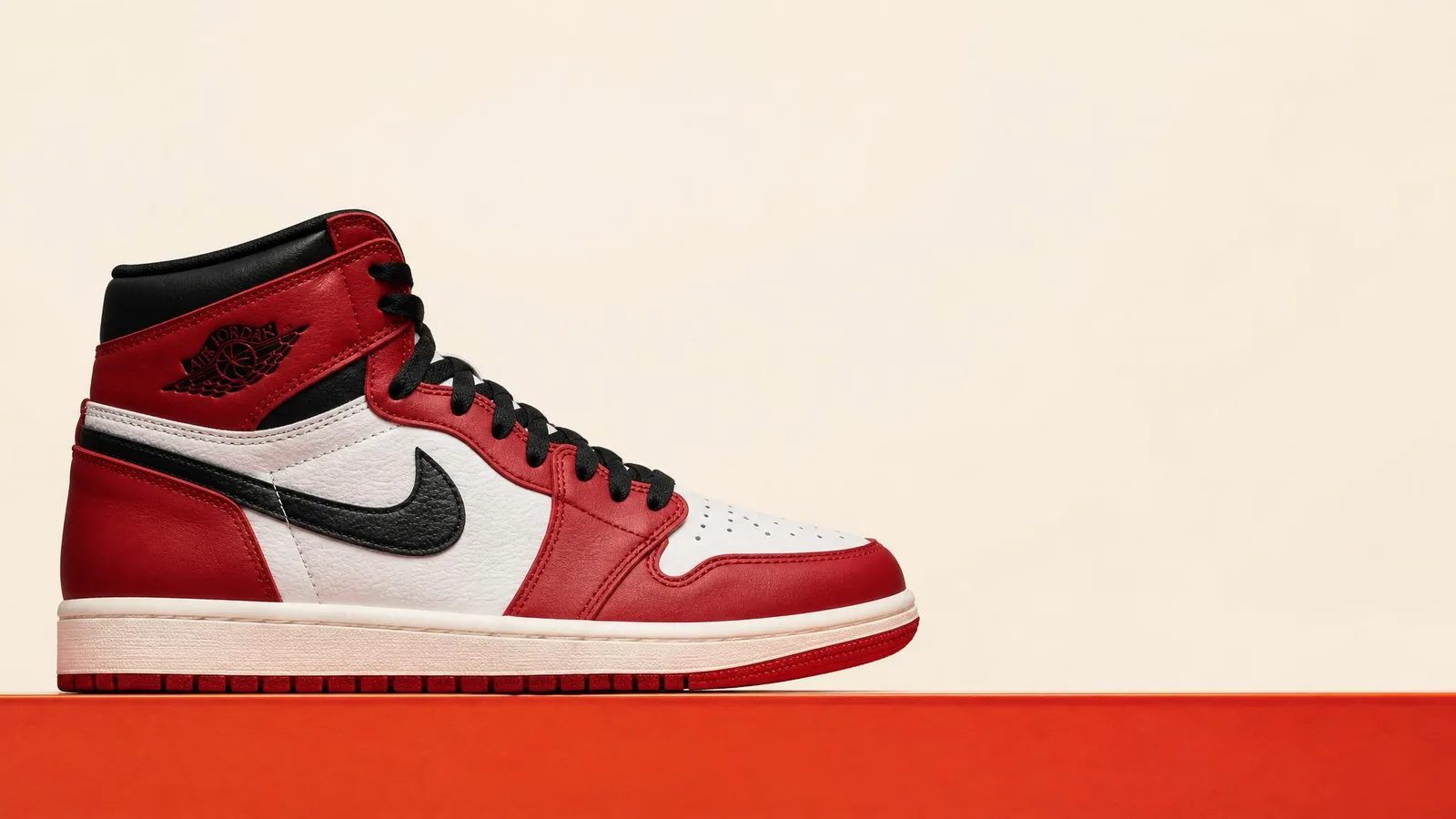
Grail sneakers are the pairs you have wanted longer than most. They carry personal weight beyond any price tag, whether that weight comes from a childhood memory, a cultural moment, or years of searching. A grail is defined by the depth of your pursuit, not the number on a resale listing. And more often than not, the pairs that matter most to you personally turn out to carry real financial weight too.
You own enough sneakers that you no longer know exactly what you have, what you paid, or what the collection is currently worth. That gap between what you own and what you understand about it shows up everywhere, but it hits hardest with grail sneakers. These are the pairs where the stakes feel different. Losing track of what you paid for a general release is annoying. Losing track of what you paid for the pair you spent 3 years hunting is something else entirely.
This article breaks down what genuinely qualifies a sneaker as a grail, how grail values actually move over time, and how to track yours without turning the hobby into a spreadsheet exercise. Some pairs are personal. Some are valuable. Most are both.
What Makes a Sneaker a Grail?
The word comes from the Arthurian legend of the Holy Grail, a prize so rare and sought-after that the pursuit itself became part of the meaning. Sneaker communities adopted the term to describe a pair so personally significant that owning it feels like the completion of a long hunt. The language stuck because it fits. A grail is not just something you want. It is something you have wanted.
Grail status is primarily personal. A pair can qualify because of a memory tied to a specific year, a colourway you saw on someone who shaped your taste, or a silhouette you could not afford at 16 and never stopped thinking about. Retail price and resale value do not determine grail status. Many collectors hold deeply personal grails that trade below what they originally cost.
The misconception worth correcting here is a common one: a grail is not automatically an expensive pair. Scarcity and price can amplify grail status, but they do not create it. A limited release is any restricted-drop pair. A grail is the specific pair you have been hunting. The difference is personal investment, not production numbers.
That said, personal significance and market value can overlap. Some widely sought-after releases trade well above retail, but that premium reflects shared collector demand, not a guarantee of future returns. That premium reflects shared desire across a collector community, not a guarantee of future returns. When thousands of people call the same pair a grail, the price follows the conviction.
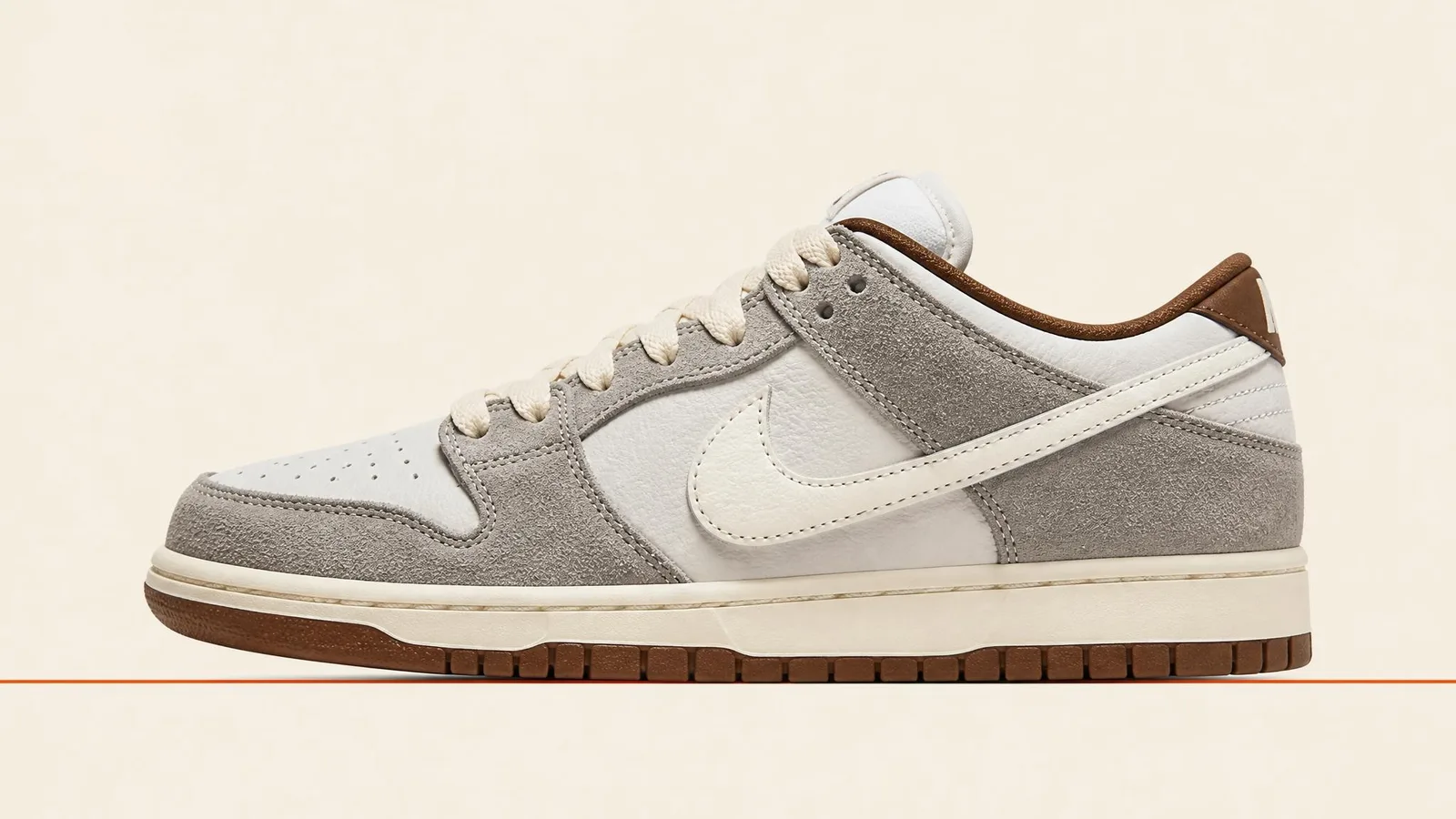
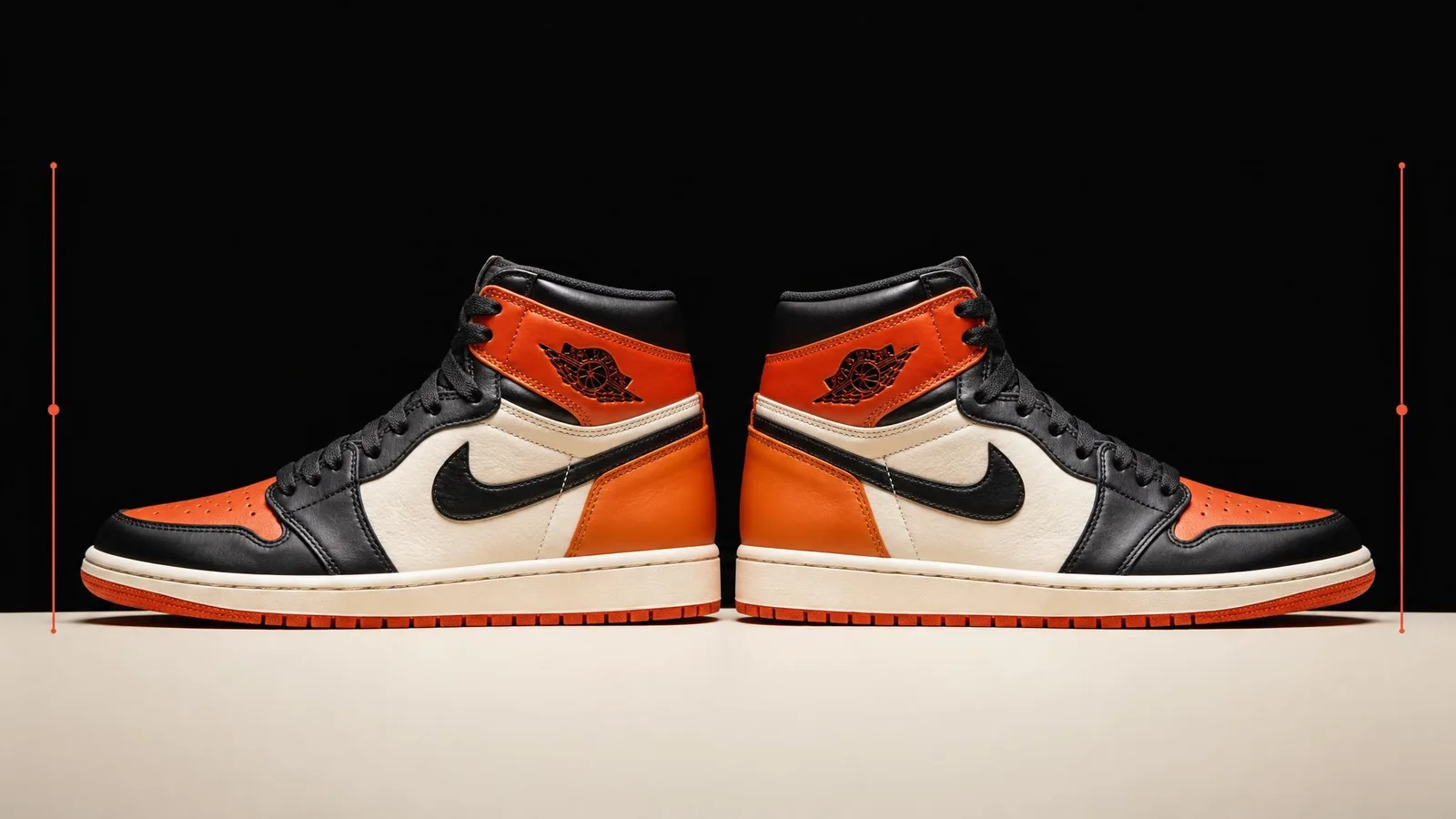
The silhouettes that appear most consistently across collector grail lists include Air Jordan 1 colourways and Nike SB Dunk collaborations. These models combine cultural history with limited availability, and they sit at the intersection where personal favourites, limited releases, and potentially resellable pairs overlap. A grail is not a separate category in your collection. It is the pair with the most personal weight among the mix you already own.
Why Grail Pairs Deserve More Than a Wishlist
A grail is the pair you think about before you own it and remember long after. It anchors the emotional narrative of your collection in a way that most pairs do not. That is precisely why it deserves more structured attention than a screenshot saved to your camera roll or a name typed into a Notes app.
Because grail pairs carry both personal meaning and real market value, the consequences of not tracking them are higher than for the rest of your rack. You forget what you paid. You miss value changes that happen gradually over months. You lose the context that makes an informed hold, wear, or sell decision possible. When the pair you waited 3 years to find eventually crosses your radar at resale, you should know exactly what you paid and what the gap looks like. Not guess.
Collection details end up scattered across spreadsheets, notes, screenshots, and resale apps. That fragmented approach works when you own a handful of pairs. Once the collection grows, it breaks down fastest where it matters most: the pairs you care about the most.
A wishlist tells you what you want. A rack tells you what you own, what you paid, and what it is worth today. Grails deserve the second kind of record.
Tracking a grail's value does not reduce the pair to a number. It does not turn the hobby into a finance exercise. Knowing what a pair is worth adds a dimension to ownership. It does not replace the emotional one. And the grail list itself evolves. For most collectors, owning one grail clarifies the next. The list is not completed. It is maintained, which makes ongoing tracking more valuable than a one-time price check.
How Grail Values Actually Move Over Time
Grails do not always go up in value. That assumption is one of the most common mistakes collectors make, and it leads to bad decisions when the reality does not match the expectation.
Resale premiums depend on several forces that shift independently: broader market trends, new colourway releases from the same silhouette, shifting cultural relevance, and the volume of pairs still in circulation. Some pairs peak at release and decline steadily as hype fades. Others build value over years as supply dries up and cultural significance compounds. There is no single pattern.
What does exist is a recognisable set of tendencies. Grail prices often follow an initial hype spike at or shortly after release, then a correction period as supply reaches more collectors, and then either a sustained premium for culturally durable pairs or a gradual decline toward retail or below. New colourway or silhouette releases can directly erode the premium on an older grail. New releases can redirect collector attention and place pressure on older colourway premiums, sometimes quickly.
| Price Phase | What Happens | What It Means for You |
|---|---|---|
| Hype spike | Prices peak at or shortly after release | Highest resale value, but also highest risk of overpaying |
| Correction | Supply reaches collectors, prices settle | A better entry point if you are buying |
| Sustained premium | Culturally durable pairs hold above retail | The pair has proven its staying power |
| Gradual decline | Hype fades, newer releases pull demand away | Holding may cost you, but personal value may still justify it |
Cowen estimated the global sneaker resale market at approximately $6 billion in 2019 and projected that it could reach $30 billion by 2030. Culturally significant models and commoditised releases move very differently within that total. A collector who has watched a grail's resale price history for 18 months understands their pair in a way that a one-time price check never reveals.
Tracking over time is what turns a snapshot into a pattern. Real resale activity, updated daily, gives you the actual story rather than the assumed one.
The Problem With Tracking Grails Manually
Most collectors start with the same toolkit. A spreadsheet for purchase prices. A Notes app for pairs they want. Periodic checks on resale platforms to gauge current value. It works until the collection grows past a handful of pairs, and then every seam starts to show.
The core failure of manual tracking is fragmentation. Cost-basis lives in one place. Market prices live somewhere else. There is no single view that shows what a specific grail is worth relative to what you paid for it. You end up toggling between tabs and apps, trying to piece together information that should exist in one place.
Marketplace watchlists vary: some emphasise asking prices, while others also surface completed sales. Asking prices alone reflect seller expectations rather than confirmed market activity. Collectors who rely on them are tracking demand signals, not real value. The question "will the prices be accurate enough to be useful?" is the right one to ask, and asking prices alone do not answer it.
Screenshots go stale within days. A price check from 3 weeks ago tells you nothing about where the market is today. And the manual approach misses price history entirely. Knowing today's price is useful. Knowing whether that price is up, down, or flat from 6 months ago is what makes the information actionable.
The gap between what collectors need and what manual methods deliver is widest for grail pairs. These are the pairs where precision matters most and where guessing carries the highest cost.
How to Track Your Grail Pairs the Right Way
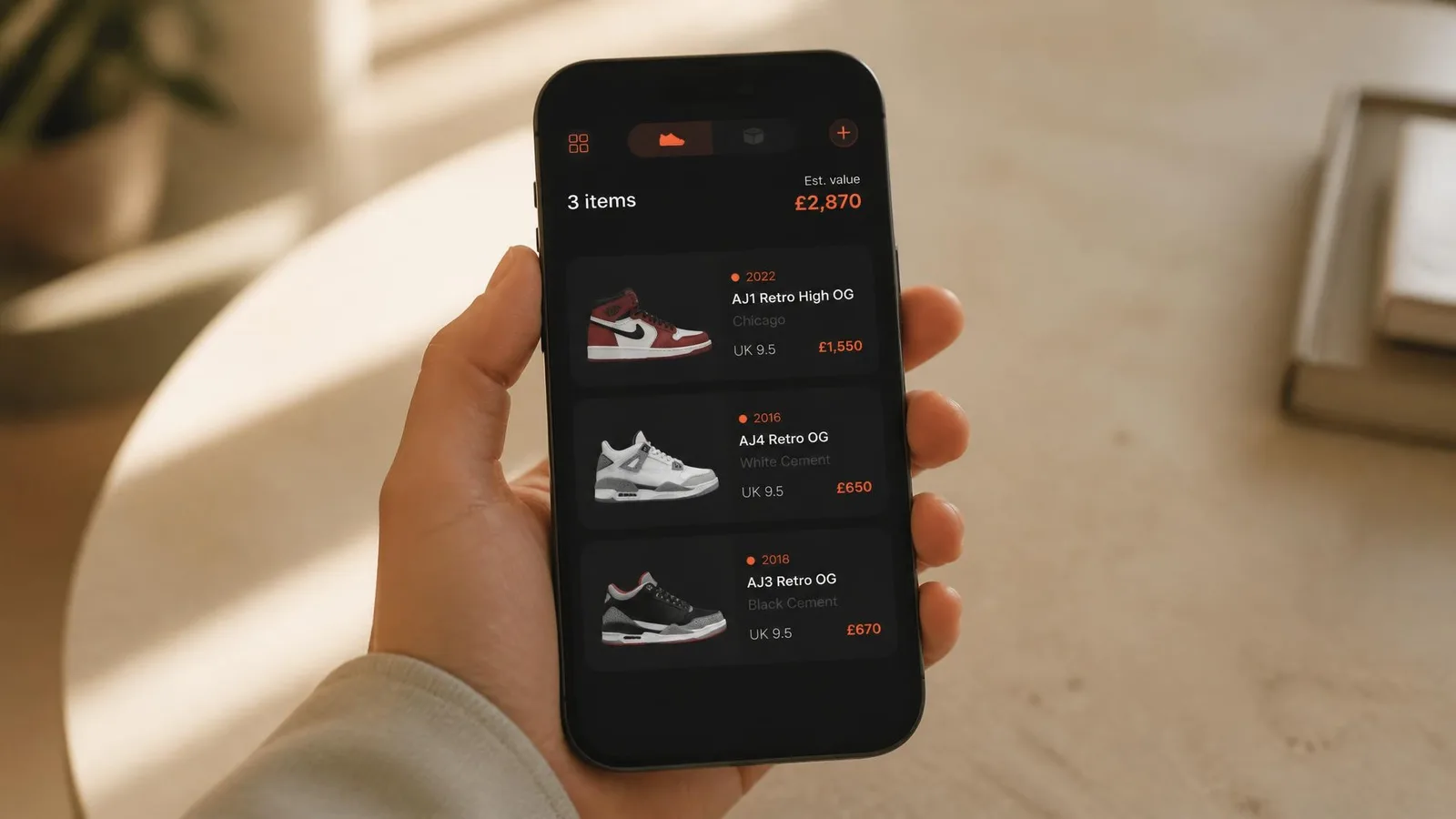
Effective grail tracking has 3 components: cost-basis (what you paid, including any fees), current market value based on real sale activity, and price history that shows the trend over time. Not just a snapshot. The pattern.
CYKI's rack brings all 3 together. Find the pair, choose your size, and rack it. CYKI primarily values pairs using recent completed sales in the selected size. When sales data is thin, it may use the current lowest asking price or an all-size average under its published fallback rules. It also surfaces price history so collectors can follow the trend over time.
Cost-basis tracking is the feature most collectors do not realise they are missing until they have it. Knowing that a grail has appreciated 40% above what you paid changes the conversation from guessing to knowing. That clarity is what separates a proper collection portfolio from a list of purchases.
CYKI uses real resale activity, updated daily, and explains its methodology openly. That includes where data gaps exist, because valuation credibility depends on transparency, not on false precision. The gaps are explained rather than hidden.
The best sneaker collection app is one that distinguishes completed sales from fallback signals and explains its methodology. CYKI prioritises completed sales and applies published fallback rules when sales data is thin.
Hold, Wear, or Sell: What Value Awareness Actually Gives You
A collector who knows their grail has held its premium for 2 years understands what walking in it actually costs. That is useful information even if the answer is always "I am wearing them anyway." The knowledge does not force a choice. It sharpens one.
Tracking grail sneaker resale price history over time also changes how you approach buying the next grail. If a specific silhouette historically dips 12 months after release, that is a data point worth having before paying peak-hype prices. Patience becomes a strategy when you can see the pattern.
The CYKI 100 index lets you compare individual grail performance against the broader sneaker market. Knowing whether a pair is outperforming or lagging the market adds one more layer of context. It is the difference between looking at your pair in isolation and understanding where it sits in the bigger picture.
Knowing what a grail is worth does not mean you have to sell it. Value awareness gives you the full picture. What you decide to do with that picture is entirely yours.
The hold vs. wear vs. sell decision sits differently for grails than for resellable pairs you picked up on a restock. A grail was bought for personal reasons first. Its value is context for the decision, not the decision itself. Should you sell your grail sneakers? That depends on what the pair means to you, not just what the market says it is worth.
Your Grail Collection, Known
A grail is defined by personal significance, tracked by real market data, and understood fully only when both dimensions are visible together. Your grail shoe collection deserves to be properly understood, not partially remembered from a Notes app or a stale screenshot.
Some pairs are personal. Some are valuable. Most are both. A sneaker resale value tracker built on real sale activity gives you the clarity to understand both.
Add your grail pairs to your CYKI rack and see what your collection is actually worth today.